The Federal Maritime Commission (FMC) has voiced strong support for the inclusion of liquefied natural gas (LNG) and bio-LNG as critical alternative fuels in the International Maritime Organization’s (IMO) decarbonization framework for 2050. This endorsement underscores the belief that a flexible approach to maritime fuels is essential to meet future emissions reduction targets effectively.
Need for Comprehensive Fuel Options
During a recent address, FMC Commissioner Laura DiBella emphasized that the IMO’s decarbonization strategy must embrace a full spectrum of alternative marine fuels. DiBella argued that the viability, affordability, availability, and scalability of LNG and bio-LNG should drive emissions reduction targets rather than arbitrary deadlines or limited fuel options. “Attempts to artificially limit alternate fuel options available to industry will prevent the NZF from becoming an effective substitute for the current system,” she stated.
Potential of LNG and Bio-LNG
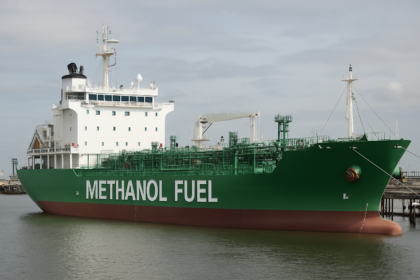
DiBella noted that both LNG and bio-LNG hold the potential to realistically supply over 60% of global maritime fuel needs by 2050. Bio-LNG, in particular, benefits from its organic agricultural sources, allowing for seamless integration with existing LNG supply chains. This integration is crucial as the number of LNG-fueled vessels continues to rise. “Efforts toward emissions reductions must be linked explicitly to demonstrated viability and realistic availability of alternative fuels,” she asserted.

Implications for Policy and Market
As discussions gear up for next month’s IMO technical session, the FMC’s position comes at a pivotal time. The NZF framework, initially proposed for global adoption, has stalled, with the U.S. historically opposing its complete implementation. This situation has raised questions regarding the balance between environmental targets and industrial feasibility, particularly in light of concerns about methane’s greenhouse gas impact. According to the United Nations Environment Programme, methane traps significantly more heat than CO2 in the short term, complicating the narrative surrounding its use as a marine fuel.
Why It Matters
This advocacy for LNG and bio-LNG reflects a critical crossroads in maritime fuel policy, highlighting the need for realistic and practical approaches to fuel adoption. Navigating the regulatory environment requires operators to consider not just the compliance aspects but also the operational viability of their fuel choices. The focus on scalability and infrastructure investments will be paramount as demand for low-emission alternatives grows. Stakeholders should watch closely how the discussions at the upcoming IMO session unfold, as these decisions will likely shape the regulatory landscape for shipping fuels for years to come.