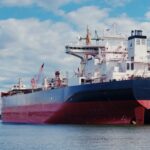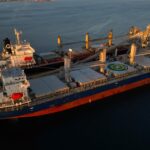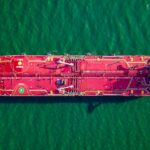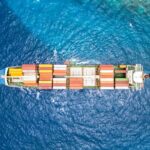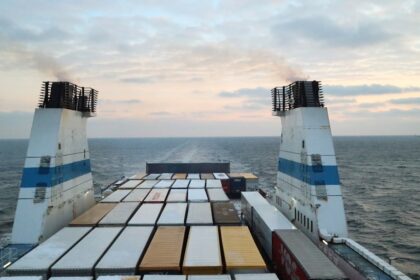
The U.S. administration has made claims that the military helped facilitate the movement of over 15 million barrels of oil and petroleum products through the strategically vital Strait of Hormuz on Tuesday. This assertion follows a report indicating a U.S. military-coordinated operation aimed at protecting shipping routes in the region. Energy Secretary Chris Wright stated, “On Tuesday, the U.S. military helped ship over 15 million barrels of oil and products out of the Strait of Hormuz — combined with pipelines, the total leaving the region is closer to 20 million barrels.” However, these figures have raised questions, as commercial vessel tracking data has not corroborated such large volumes moving through the strait.
Commercial Traffic Discrepancies
Despite the U.S. administration’s claims, the Joint Maritime Information Center (JMIC) reported that commercial vessel traffic through the Strait of Hormuz remains at diminished levels. According to JMIC, independent tracking has shown an average of only 21 U.S.-facilitated vessel transits over a recent two-day period, with a mere three non-facilitated tanker crossings recorded per day from August 17 to 19. Oil data analysis firm Kpler noted a significant 19.5% decline in confirmed vessel crossings in the past week, with no crossings through the Omani route or the established Hormuz Traffic Separation Scheme.
While U.S. officials have pointed to an operation involving 10 million barrels moving daily under military protection, industry experts argue that this may reflect convoy movements rather than a continuous daily flow. TankerTrackers.com suggested the administration could be referring to the total per convoy rather than a daily average, highlighting a concerning discrepancy between reported figures and market realities.

Strategic Implications
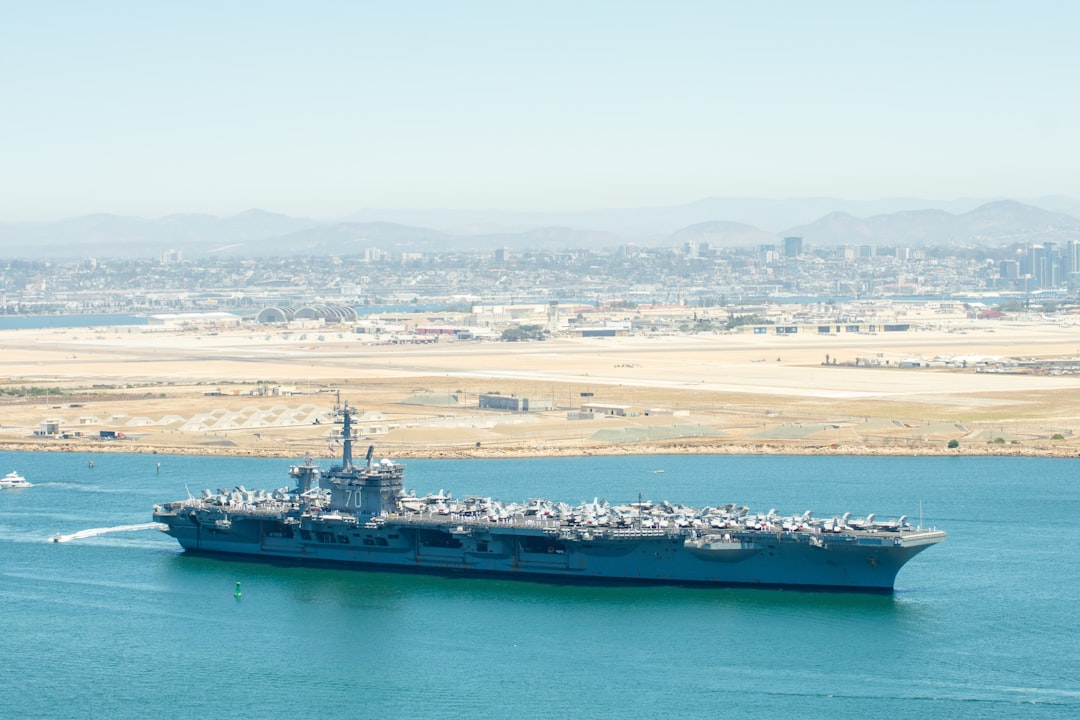
The Strait of Hormuz is a critical chokepoint for global oil transport, traditionally averaging around 138 vessel transits per day before recent regional conflicts heightened tensions. JMIC continues to rate the threat level in the area as SEVERE due to ongoing attacks and enforcement of U.S. blockades. This atmosphere of uncertainty is further compounded by hesitation among commercial operators to engage in the strait, thereby contributing to the observed decrease in traffic. The implications of a decreased oil flow could reverberate throughout global markets, affecting supply chains and pricing structures.
The Operational Read
The contrasting narratives surrounding oil movements through the Strait of Hormuz highlight the complexities of operating in a conflict-affected maritime environment. For shipping operators and charterers, the ongoing military actions and reported statistics call for heightened caution and flexible routing decisions. As the U.S. military continues to engage in protective measures, the operational landscape may shift, impacting not just tanker throughput but also influencing broader shipping strategies in the face of escalating geopolitical tensions. Monitoring updates from reliable commercial tracking services and adjusting operational plans accordingly will be crucial for managing risks and optimizing vessel deployments in this volatile region.