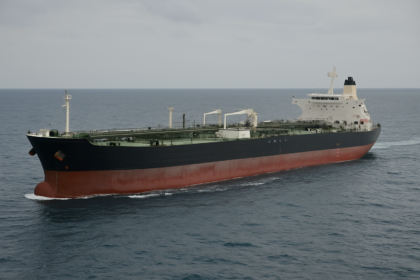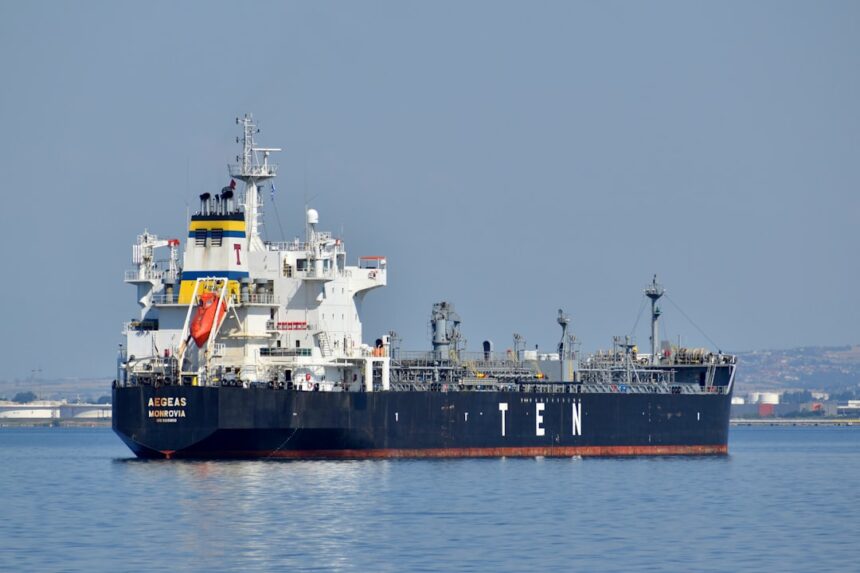
Shipowners, including prominent firms like Sinokor Group, are facilitating a strategic shift in Saudi Arabian oil exports, rerouting shipments through the northern route of the Red Sea. This move is in response to heightened threats from Iran-backed Houthi militants targeting maritime vessels in the Bab el Mandeb chokepoint, which has led to increased operational risks for tankers operating in the region.
Strategic Rerouting
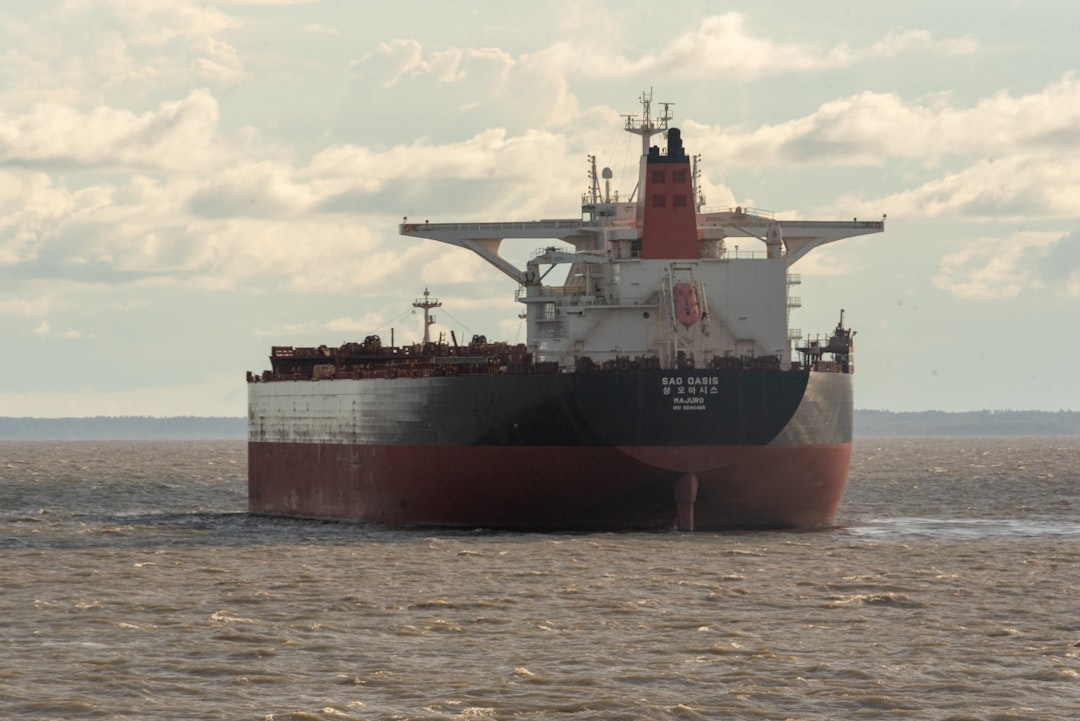
As Houthi forces intensify their attacks, Saudi Aramco has ramped up oil exports from ports such as Sidi Kerir in the Mediterranean. Ships have begun shuttling cargoes from the significant loading terminal at Yanbu to Ain Sukhna, where crude oil is being discharged and transported via pipeline to the Mediterranean. This operational adjustment enables Saudi Arabia to sustain its oil flows while circumventing the operational hazards posed by conflict in Yemen.
According to industry analysts, the number of shipments has increased substantially since late July when the Houthis formally announced their blockade. Reports indicate that shipments of Saudi crude via the northern Red Sea have risen by about a third, which corresponds to approximately 1.1 million barrels a day, as per data from Kpler. The efforts of tankers operated by Sinokor, Dynacom, and other international maritime firms have been critical in this re-routing strategy.

Market Implications
The displacement of crude oil exports towards the Mediterranean effectively allows Saudi Aramco’s customers to obtain crude directly at Sidi Kerir instead of the more vulnerable Yanbu. While this adjustment helps maintain stable supply levels and keeps global markets satisfied, it introduces logistical complexities, as vessels must navigate around the southern tip of Africa to reach major consumers in Asia. This detour can extend delivery times by weeks, potentially impacting commercial agreements and market responsiveness.
Despite rising incidents near the Bab el Mandeb Strait, some shipowners and charterers continue to undertake the perilous journey through this chokepoint. Their operations reflect a reluctance to abandon a traditional shipping route, although the tactics employed by Saudi Arabia suggest a significant pivot in strategy given the existing threats.
The Operational Read
The strategic shift of Saudi crude exports to the northern route represents a significant operational landscape change in response to evolving geopolitical threats. For shipping operators, this adjustment necessitates a nuanced understanding of risk management as they navigate new trade routes while balancing contractual obligations. The increasing frequency of shuttle operations signifies a critical adaptation that could reshape the supply chain dynamics in the region. Monitoring ongoing developments will be essential for stakeholders, as the volatility in shipping through conflict-prone areas directly affects laytime calculations, demurrage costs, and, ultimately, the bottom line for operators.