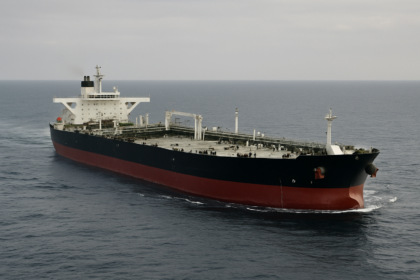
On August 21, 2026, the U.S. Treasury announced sanctions against a fleet of fishing vessels based in Manta, Ecuador, implicated in smuggling vast quantities of cocaine to Mexico. These actions underscore a troubling trend where legitimate fishing operations are exploited by drug trafficking organizations.
The Fleet and Criminal Ties
Ten fishing vessels and 15 individuals associated with these ships were sanctioned for their connections to Los Choneros and Los Lobos, two of Ecuador’s most notorious cartels. Operating under the guise of legitimate fishing enterprises, these vessels reportedly transfer cocaine to fast boats in the Pacific, which are then used to transport the drugs to Mexican cartels such as Sinaloa and Cartel de Jalisco Nueva Generacion. The use of fishing boats for this purpose raises serious concerns about the infiltration of organized crime into legitimate marine industries.
Geopolitical and Economic Context
Manta, a crucial Pacific port, is known for its tuna fishing industry but has seen a marked increase in drug-related violence in recent years. The assassination of the city’s mayor before the 2023 presidential election illustrated the perilous climate engendered by drug trafficking. The U.S. has taken a more aggressive stance in combating narcotics trafficking, with military force deployed in the Caribbean and Pacific, resulting in airstrikes and numerous drug seizures.

Recent U.S. Operations
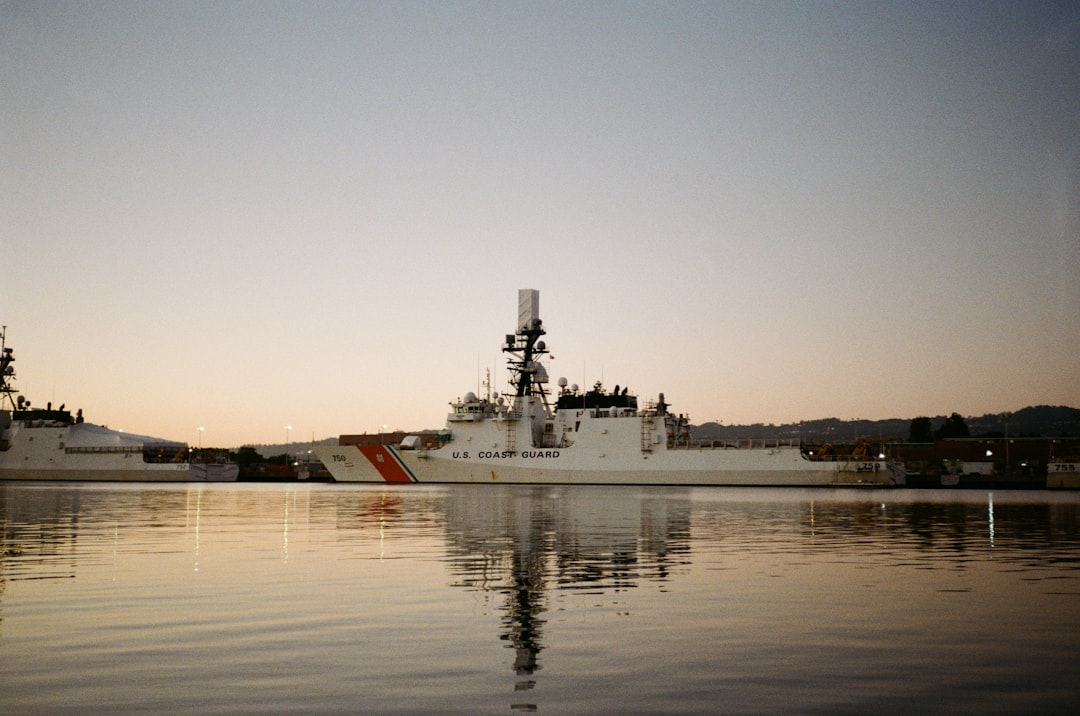
In mid-2025, U.S. Coast Guard-led operations across the eastern Pacific led to the confiscation of more than 225,000 pounds of cocaine. These measures reflect an escalating U.S. response to organized crime’s attempts to exploit maritime routes for illicit activities. While law enforcement efforts seek to deter drug trafficking, they also prompt discussions on legal frameworks surrounding the use of military force in drug interdiction operations.
The Operational Read
The implications of these sanctions extend beyond immediate enforcement actions; they represent a significant operational challenge for shipping companies navigating the Pacific region. The involvement of legitimate fishing vessels in drug trafficking complicates compliance, as firms must ensure their operations are free of illicit activities to avoid sanctions. As violence related to drug trafficking rises, vigilance among maritime operators is crucial, not only to safeguard their businesses but also to contribute to broader efforts against organized crime. Going forward, stakeholders must monitor developments in maritime drug trafficking routes and enhance collaborative international enforcement measures.