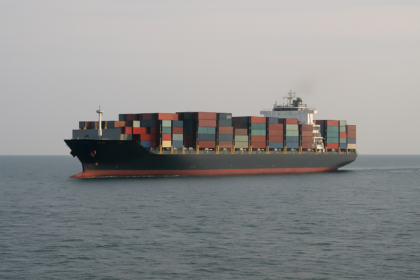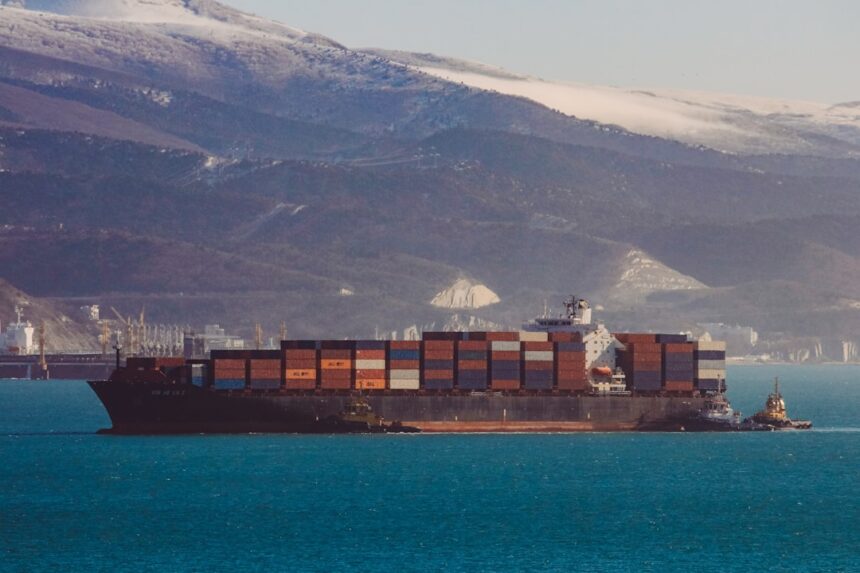
The Dutch general cargo vessel Thamesborg has successfully completed its first transit through Canada’s Northwest Passage since grounding on an uncharted shoal in September 2025. The vessel departed from Matane, Quebec, on August 8, 2026, and is expected to arrive in Onsan, South Korea, by September 3, as indicated by Automatic Identification System (AIS) data.
The Incident
Thamesborg’s critical navigation occurred between August 13 and August 18, 2026, passing within a few nautical miles of the grounding site in Franklin Strait. The 172-meter (564-foot) ship previously ran aground on an uncharted shoal during a voyage from China to Baie-Comeau, Quebec. The incident resulted in hull damage and water ingress but no injuries or pollution. A review of AIS tracks reveals that Thamesborg navigated farther east during its recent transit than in 2025.
The grounding incident exposed significant challenges in the limited hydrographic survey data available for the Canadian Arctic, impacting commercial vessel operations. The cause of the grounding remains undetermined as investigations by the Transportation Safety Board of Canada continue. Wagenborg has expressed its commitment to safe navigation practices amid ongoing scrutiny.

Remediation Efforts
The grounding incident triggered a complex salvage operation requiring the transfer of more than 5,000 tons of cargo to other vessels, including Silver Copenhagen and Nunalik, to reduce Thamesborg’s draft. Additionally, an icebreaker, Botnica, and the tug Beverly M I were brought in to assist in refloating the vessel, which was successfully achieved in early October 2025. Post-salvage operations involved repairs at a Turkish shipyard following an Atlantic crossing.
Wagenborg has emphasized the importance of rigorous preparations for Arctic voyages, collaborating closely with Canadian authorities and local stakeholders to ensure safe operations. The 2026 Northwest Passage season has also been notably busy for expedition vessels, signaling an uptick in maritime activity in the region.
The Operational Read
The successful transit of Thamesborg through the Northwest Passage serves as a crucial learning opportunity for operators in the Arctic shipping sector. It underscores the necessity for accurate hydrographic surveys, especially in remote areas where navigation can be precarious. The commitment from firms like Wagenborg to review operational procedures and enhance crew training post-incident reflects a broader industry trend towards improved risk management and safety protocols. Observers should monitor how increased traffic from expedition vessels impacts traditional shipping routes and the evolving regulatory environment governing Arctic operations.