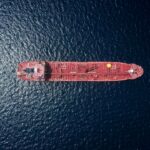
The maritime conflict in the Black Sea has intensified, with Russia’s defense ministry reporting a strike on a merchant vessel and damage to Ukrainian port facilities on Wednesday. A dry cargo ship was reportedly hit southeast of Odesa, marking a significant escalation in hostilities within this strategically important region.
The Incident
This latest attack underscores the shifting dynamics of the Black Sea, where recent months have seen a spike in military activity directly affecting commercial shipping. The Russian government classified the cargo ship as transporting military property, indicating potential military objectives intertwined with commercial navigation. Additionally, fuel storage tanks at the port of Chornomorsk were also targeted, suggesting a broader strategy of disrupting supply chains and logistics operations in the area.
Market Impact
The ramifications of these incidents are likely to reverberate through the shipping industry, particularly for operators navigating these hazardous waters. With rising tensions, ship operators may face increased war-risk premiums and the necessity of re-evaluating routing strategies. The threat to commercial vessels necessitates heightened vigilance and may affect insurance costs. The geopolitical climate is also likely to influence freight rates and operational decisions for companies engaged in trade through the Black Sea.


Operator Response
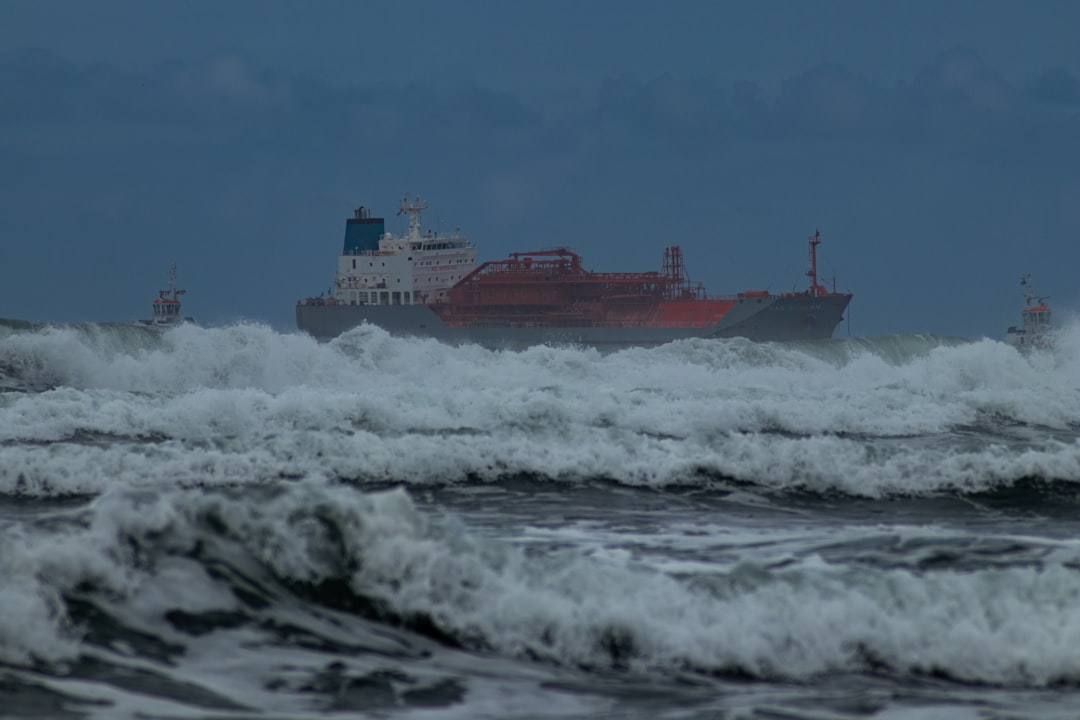
As threats persist, shipping companies must now reassess their operational protocols in light of the ongoing conflict. Measures may include implementing stricter security procedures, reevaluating insurance coverage, and considering alternative routes to circumvent areas of heightened risk. Engaging with local authorities and having contingency plans for emergencies will be critical for maintaining the safety and integrity of maritime operations in the Black Sea.
The Operational Read
The current situation in the Black Sea serves as a stark reminder of the operational challenges posed by geopolitical tensions. For operators, understanding the implications of maritime warfare is essential for ensuring safety and compliance amidst evolving risks. It is crucial to monitor these developments closely, as disruptions could lead to significant changes in logistics and operational costs. Moving forward, businesses should prioritize adaptability in their strategies, focusing on risk management to mitigate potential impacts on shipping routes and cargo movements.