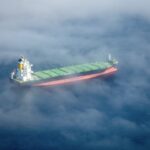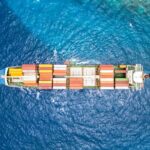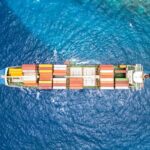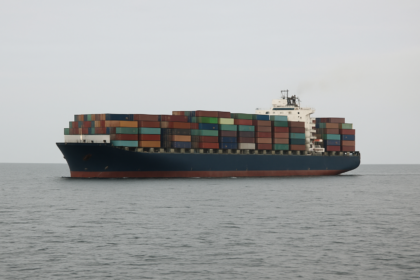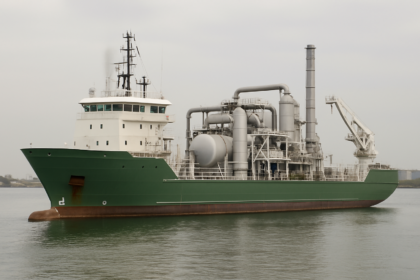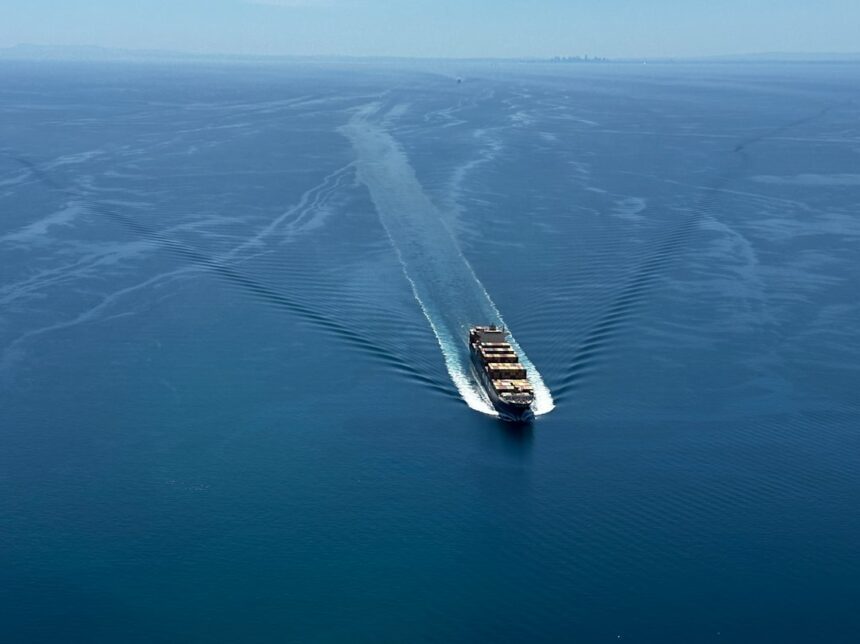
The departure of the Liberian-flagged container vessel Dubai Tower from Ningbo, China, signals a growing trend of commercial shipping utilizing the Northern Sea Route. This development comes amid rising concerns from the Clean Arctic Alliance regarding the environmental impact of increased Arctic maritime activity.
The Northern Sea Route Concerns
As the Dubai Tower begins its journey, with expected stops in the UK, Germany, and Poland, experts caution that such expeditions may lead to significant climate impacts, particularly in the fragile Arctic ecosystem. Dr. Sian Prior, Lead Advisor to the Clean Arctic Alliance, voiced serious concerns about how this route could affect Indigenous communities and local wildlife.
According to Dr. Prior, the shift towards Arctic shipping could increase pollutant emissions, notably black carbon, which accelerates climate change and contributes to the melting of sea and land ice. Arctic sea ice plays a critical role in regulating the Earth’s temperature; its loss is thus a pressing environmental issue.

Impact of Emissions
The Clean Arctic Alliance emphasizes that shipping emissions, particularly black carbon from burning fossil fuels, are detrimental to the Arctic environment. The organization warns that as shipping activity increases, the consequences for biodiversity and local communities will also worsen. Additional sources of pollution, including oil and wastewater discharges, pose threats to the overall health of Arctic waters.
Dr. Prior noted that while the recent International Maritime Organization (IMO) regulations aimed at reducing heavy fuel oil use in Arctic waters are laudable, they do not effectively tackle black carbon emissions. Current regulations allow ships to still utilize heavy fuel oils and process through scrubbers, failing to achieve the cleaner emissions necessary for Arctic preservation.
Future of Arctic Shipping Regulations
A proposal for establishing regulations around the use of cleaner maritime fuels is currently under discussion at the IMO, supported by Denmark, Germany, France, and the Solomon Islands. The Clean Arctic Alliance urges more Arctic nations to back this initiative to enforce stricter fuel standards in the region.
As shipping companies continue to look towards the Arctic as a potential commercial corridor, the Clean Arctic Alliance’s calls for stringent adherence to international regulations and standards underscore the urgent need for responsible maritime governance in these sensitive environments.
Why It Matters
The rise in Arctic shipping activity presents a unique challenge for operators and regulators alike. Increased vessel traffic raises operational risks, including potential environmental disasters and heightened scrutiny from regulatory bodies. For operators, adhering to existing and evolving regulations regarding emissions will be crucial not only to avoid penalties but also to maintain a sustainable operational framework. Continued advocacy for cleaner fuel options is essential, as stakeholders navigate the balance between economic benefits and environmental responsibilities in one of the planet’s most vulnerable regions.