Recent statements from U.S. President Donald Trump have escalated tensions regarding negotiations to reopen the vital Strait of Hormuz, a key waterway for global oil and liquefied natural gas (LNG) transport. During a phone interview, Trump warned that if Oman, a U.S. ally, interferes with Washington’s dealings with Iran, it could face military action. This threat comes at a time when Oman is actively engaging with Tehran to facilitate the reopening of the strait, which has experienced limited access for nearly six months amid ongoing U.S.-Iran conflict.
The Strategic Context
The Strait of Hormuz is a crucial chokepoint through which approximately one-fifth of the world’s oil and LNG passes. Given its significance, any military action in the region could disrupt shipping operations and increase shipping costs due to elevated war-risk premiums. Oman, positioned at the southern edge of the strait, has proclaimed its neutrality in the conflict but has not been impervious to aggression, having faced strikes from Iranian forces. The ongoing negotiations between Oman and Iran are critical for restoring the strait’s accessibility and thus vital trade flows.

Potential Market Implications
The imminent expiration of a Memorandum of Understanding (MoU) between the U.S. and Iran introduces additional uncertainty regarding the future of negotiations. Trump indicated he is not interested in extending the MoU, leaving operators concerned about the stability of the region. Increased military rhetoric raises the specter of heightened risks for both commercial vessels and regional operators, possibly forcing them to consider alternative routes, which would further strain operational efficiencies and costs in global supply chains.

The Operational Read
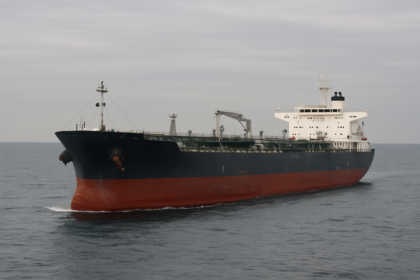
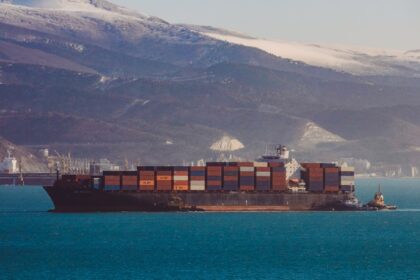
The operational implications of Trump’s comments are significant for shipping companies, charterers, and crews operating in or around the Strait of Hormuz. The potential for military engagement necessitates a reevaluation of risk management strategies and may lead operators to impose additional contingency plans or reroute vessels if conditions deteriorate. Vigilance is crucial as geopolitical dynamics rapidly change. Operators should closely monitor the outcomes of Oman’s negotiations with Iran, as any agreement could pave the way for renewed access to this vital corridor, while ongoing hostilities could prompt heightened safety protocols and insurance costs.