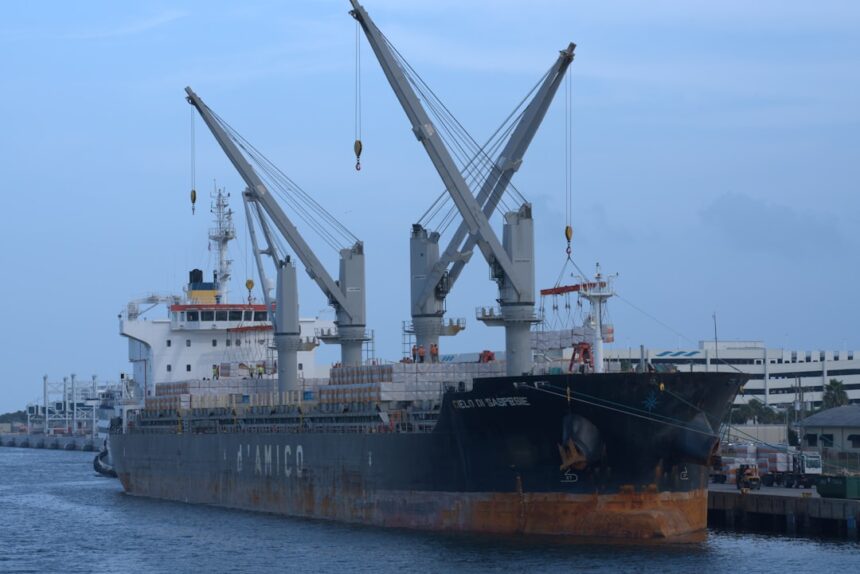
China’s increasing reliance on coal as a primary energy source has reinforced the dry bulk shipping sector, particularly in the context of ongoing geopolitical tensions stemming from the US-Iran conflict. As disruptions in the Strait of Hormuz impacted oil availability, China has turned to its coal reserves to maintain energy stability, which is expected to sustain demand for dry bulk transport.
Strategic Energy Buffer
The significance of coal in China’s energy strategy cannot be overstated. Despite China’s ambitious investments in renewable energy sources, coal continues to serve as a critical buffer, especially given the uncertainties surrounding global oil supplies. This shift has fostered a conducive environment for dry bulk shipping operators, who are positioned to capitalize on the increased coal trade.
Market Dynamics
As the demand for coal rises, especially during periods of heightened geopolitical tension, shipping operators are adapting their strategies to meet evolving cargo requirements. The impact of the US-Iran tensions has highlighted the fragility of oil supply routes, compelling China to lean more heavily on coal imports from various sources, thereby reinforcing the dry bulk segment’s operational landscape.


The Operational Read
The evolving dynamics in the coal market present both challenges and opportunities for operators and charterers. While the increased demand for dry bulk transport indicates a stable revenue stream, reliance on coal amidst global pressure for emission reductions poses a long-term challenge. Shipping companies should monitor coal trade trends closely and adjust their operational strategies to optimize efficiency and meet the demands of a fluctuating market landscape. Continued investments in dual-fuel capabilities may become increasingly crucial as the market seeks to balance traditional energy sources with greener alternatives.