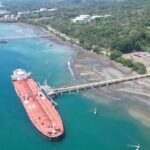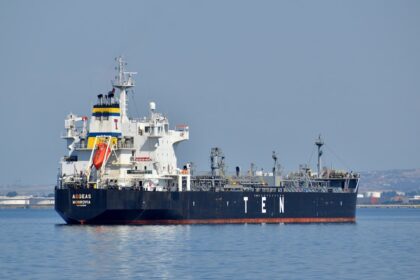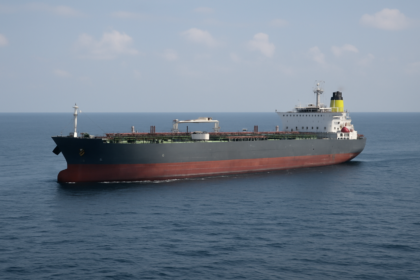
The U.S. and Iran are reportedly close to finalizing an agreement to reopen the Strait of Hormuz, allowing for the free movement of commercial vessels. This potential deal, disclosed by U.S. Treasury Secretary Scott Bessent, could signal a significant shift in ongoing tensions affecting global shipping lanes.
Market Response
Bessent’s interview indicated that an agreement might be reached as soon as Tuesday or Wednesday. Following his statements, U.S. crude oil futures saw a notable drop of about 3%, trading below $78 per barrel. The anticipated deal would facilitate the exit of hundreds of vessels currently trapped in the Persian Gulf, thereby possibly contributing to a decrease in commodity prices across various sectors beyond oil, including fertilizers and industrial gases.
Context of Negotiations
The backdrop to these negotiations stems from earlier agreements and subsequent escalations between the U.S. and Iran. A memorandum of understanding signed on June 17 aimed to restore shipping through the strait but failed due to disagreements regarding designated transit routes. This led to increased Iranian aggression towards tankers under U.S. military protection, heightening the risk for operators.


Furthermore, President Donald Trump’s decision to call off military actions against Iran has opened channels for negotiation, although past attempts at reconciliation have often faltered under pressure.
The Operational Read
The potential reopening of the Strait of Hormuz carries significant implications for commercial shipping operations, particularly for operators handling vital energy supplies. The Strait is pivotal for global oil trade, making any disruptions a concern for maritime logistics and pricing. The successful execution of this deal could alleviate traffic congestion, allowing for the resumption of regular shipping schedules and enhanced supply chain efficiencies. Stakeholders must remain alert as diplomatic discussions progress, given the volatility of the region, and consider risk mitigation strategies to navigate potential fluctuations in security and operational readiness.