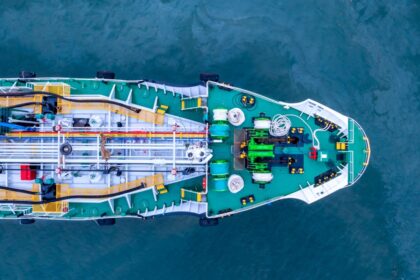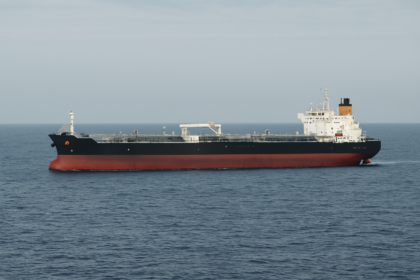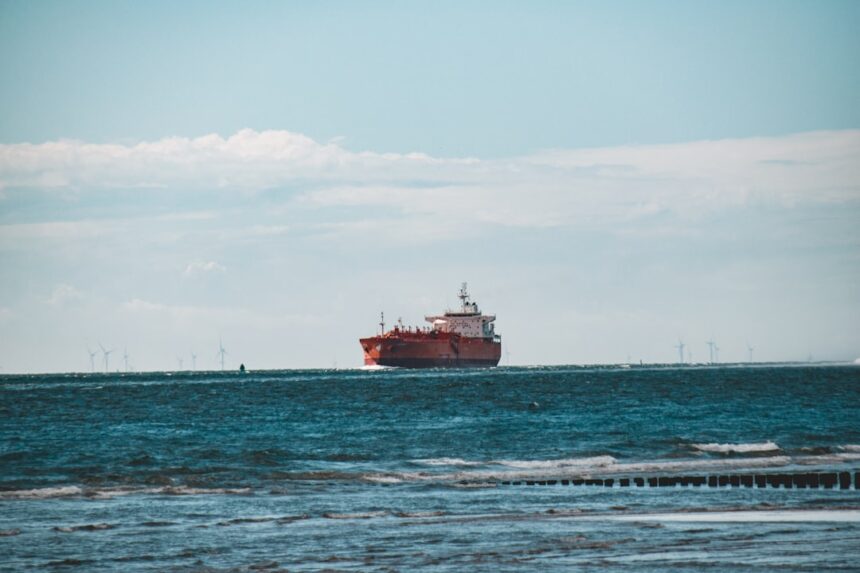
Over the weekend, two tankers loaded with Saudi oil successfully navigated the Bab el-Mandeb strait amidst heightened maritime insecurity in the region. The Suezmax tanker Lesvos and the Very Large Crude Carrier (VLCC) Desh Vaibhav departed from the Red Sea, with their Automatic Identification Systems (AIS) transponders turned off, raising concerns about vessel tracking and safety.
The Lesvos, registered in Malta, is carrying about 1 million barrels of Saudi crude, with its exact destination currently unknown. In contrast, the Desh Vaibhav, which is carrying 2 million barrels, is headed to Sikka port in India for Reliance Industries. The manager of Lesvos, Dynacom, and the operators of Desh Vaibhav, the Shipping Corporation of India, were unavailable for comment following these movements.
Traffic Patterns and Regional Tensions
Traffic in the Bab el-Mandeb strait has notably decreased, with the number of commodity vessels passing through dropping from 27 on Saturday to just 18 on Sunday, according to Kpler data. This decline in traffic coincides with a newly declared maritime embargo against Saudi Arabia by the Iran-aligned Houthis, which began on July 20, intensifying hostilities in the ongoing conflict with U.S. allies.


Additionally, the Strait of Hormuz, a critical transit point for roughly a fifth of the world’s crude oil and liquefied natural gas, has become increasingly hazardous. The UK Maritime Trade Operations agency reported three tanker attacks since Saturday, contributing to a drop in vessel traffic from 19 ships on Friday to 10 on Saturday. The risks associated with navigation in this region are prompting some operators to turn off their AIS transponders to mitigate detection.
Broader Implications for Energy Security
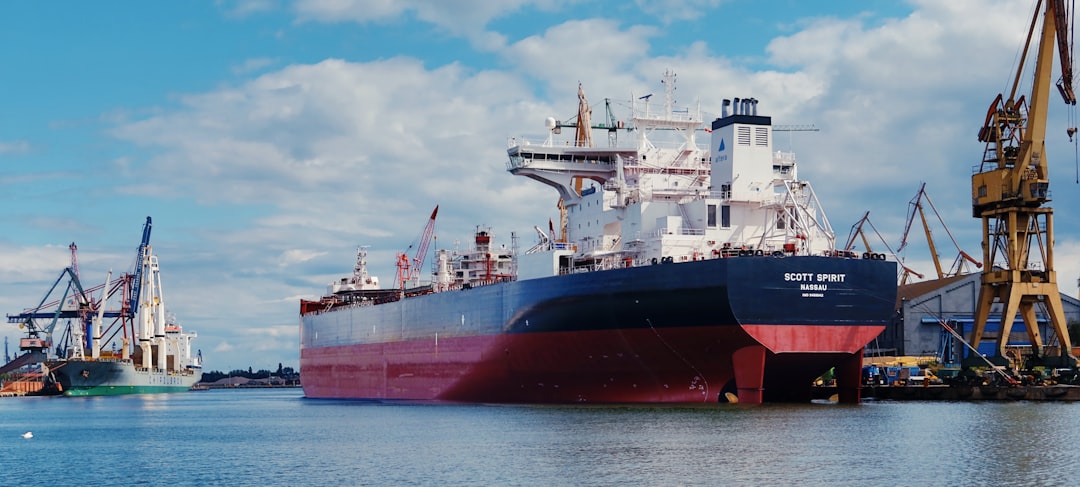
The implications of these vessel movements extend beyond individual shipping lines. As the operational capabilities of the shipping industry are tested, the potential for heightened war-risk premiums looms large. The increase in attacks on tankers in the Strait of Hormuz, combined with the reduced shipping activity, raises important questions about the future security of energy supplies from the Middle East.
Operators may need to explore alternative shipping routes, such as those bypassing the Strait of Hormuz altogether, to ensure the continuity of their supply chains. The emergence of these hostilities could drive up logistical costs and complicate global energy markets further.
The Operational Read
For operators and charterers, the current situation underscores the importance of robust risk management strategies. The decline in vessel traffic through both the Bab el-Mandeb strait and the Strait of Hormuz, coupled with escalating attacks, emphasizes the unpredictable nature of maritime operations in these critical regions. Continuous monitoring of geopolitical developments and flexibility in routing strategies will be crucial in navigating these challenges, especially for those heavily reliant on Middle Eastern oil transport. The situation remains fluid, and stakeholders should prepare for potential disruptions in supply chains as regional tensions persist.