Amid rising tensions in the Gulf, Iran has issued stern warnings to the United States regarding potential military actions, signaling a precarious situation for regional oil supplies and shipping operations. Iran’s Foreign Minister, Abbas Araqchi, conveyed that any U.S. adventurism would be met with decisive retaliation following continued threats from President Donald Trump. Araqchi’s statements, made during phone discussions with senior officials from Turkey, Pakistan, and Saudi Arabia, underscore the imminent risks of destabilization in the region.
The Escalating Tensions
Recent events have heightened alarm in the Gulf, particularly after Kuwait’s military confirmed the destruction of hostile drones launched from Iran aimed at vital local infrastructure. These developments reflect a broader context of ongoing military actions, notably since the conflict escalated following U.S. and Israeli strikes on Iranian positions beginning on February 28. Araqchi further warned that any U.S. or Israeli assaults—or the involvement of regional players—would invite a proportionate response from Iran, heightening the stakes for surrounding nations.
Political statements from President Trump highlight a dual approach: while negotiations may still be considered, there is a pervasive sense of doubt about compliance from the Iranian side. Trump’s concerns about Iran’s trustworthiness, repeated in recent remarks, illustrate the complexity of achieving a stable resolution.

Market Implications
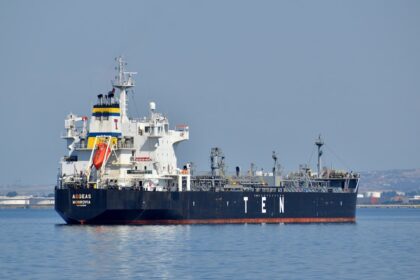
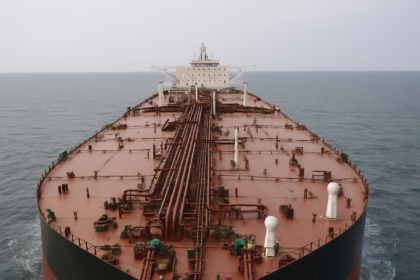
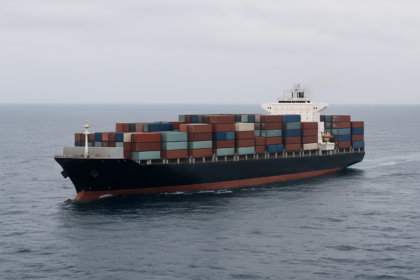
The conflict’s repercussions are palpable in the oil market, where prices spiked 24% in July as uncertainty grows. Analysts predict that ongoing instability will further inflate fuel costs, driven by threats to energy infrastructure. Operations through the pivotal Strait of Hormuz, a crucial passage for global oil shipments, have seen a substantial decline, as shipping operators reassess risk management strategies amid these geopolitical tensions. The United Kingdom Maritime Trade Operations recently reported incidents involving tankers off Oman, underlining the tangible risks present in the region.
Furthermore, Houthis’ recent threats against the Bab al-Mandab Strait, adjacent to the other end of the Red Sea, present additional risks for maritime operations, creating concerns over broader shipping safety and supply chain stability.
The Operational Read
This escalating geopolitical tension creates significant operational challenges for maritime operators in the region. The threat of retaliation from Iran and increased military activity in the Gulf necessitates heightened vigilance and potentially redefined shipping routes. The reduction in shipping through critical chokepoints like the Strait of Hormuz could lead to increased freight costs and delays, as vessels seek to avoid the risk of confrontation. Operators are urged to prepare for fluctuating oil prices, which further complicate the cost calculus in chartering and logistics. Future developments, particularly any direct military engagement, will demand operational adaptability and strategic foresight in navigating this volatile landscape.