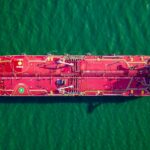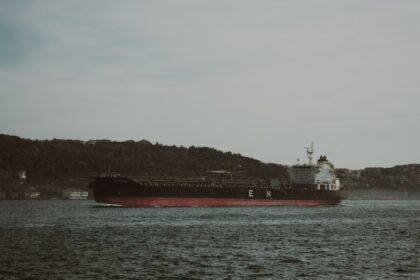
Both the Strait of Hormuz and Bab el-Mandeb are effectively closed to normal commercial tanker traffic, raising concerns over regional oil supplies and global energy stability. On July 27, the Strait of Hormuz saw zero tanker crossings, with all recorded traffic limited to the IRGC-controlled northern corridor. Meanwhile, Bab el-Mandeb experiences a significant decline in tanker movements following a Houthi blockade declaration on July 20.
The Situation in Hormuz
The operational dynamics in the Strait of Hormuz reflect intense enforcement by the IRGC. On July 27, EO imagery showed six IRGC high-speed craft active in the southern strait, enforcing control over tanker routes. This development confirms that no commercial tankers are transiting the region, further compounding existing operational constraints.
Analysis indicates that the inbound traffic comprised mixed vessel types, including a Marshall Islands-flagged bulk carrier. However, the absence of regular tanker traffic and continued IRGC naval presence underscore a critical operational environment, effectively closing Hormuz to standard shipping practices.

Conditions at Bab el-Mandeb
In contrast, the blockade imposed by Houthi forces has led to a 39% decrease in tanker transits through Bab el-Mandeb. The blockade triggered a withdrawal of Lloyd’s market insurance for Saudi-associated vessels on July 24, cited as a primary factor in the sharp declines observed in tanker traffic. Saudi tanker movements have declined by 46% during this period.
Despite these obstacles, crude shipments from both Iranian and Saudi sources continue under modified conditions. Notably, Yanbu King Fahd Industrial Port is reportedly operational, albeit discreetly, while three Chinese-linked VLCCs have managed to transit Bab el-Mandeb, indicating potential exemptions for select cargoes.
The Operational Read
The prevailing operational environment in the Gulf region presents significant challenges for shipping operators, impacting safety and supply chain reliability. The enforcement of blockades and insurance withdrawal is expected to escalate operational costs and alter shipping strategies, with heightened war-risk premiums becoming likely. Operators must monitor IRGC activities in Hormuz and Houthi responses in Bab el-Mandeb closely to navigate this fraught maritime landscape. Future developments could dictate a reevaluation of shipping routes and operational protocols to mitigate risks in these critical chokepoints.