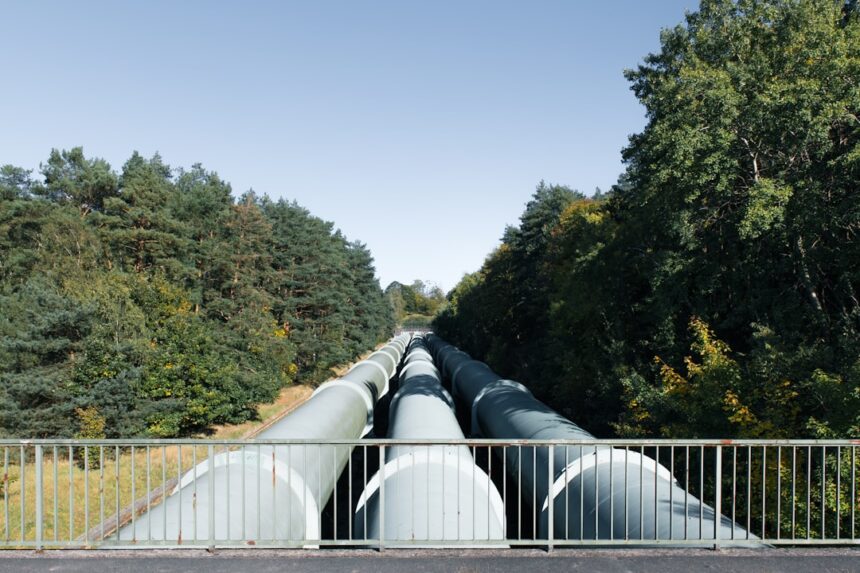
On July 25, 2026, Iraq’s cabinet approved a significant agreement with Syria to construct pipelines aimed at connecting oil production sites to global export markets via the Mediterranean Sea. This strategic initiative is expected to bolster Iraq’s export capabilities and enhance regional energy trade.
The Agreement Details
The Iraqi cabinet authorized the director general of Basra Oil Company to sign a memorandum of understanding with the Syrian oil ministry. This partnership will facilitate the development of pipelines, enabling a more efficient export route for Iraqi oil to international markets.
Exploration Developments
In addition to the pipeline agreement, Iraq’s government has instructed its oil minister to enter discussions with a consortium comprising ConocoPhillips, TI Capital, and Novaterra. The talks will focus on evaluating and developing the Akkas gas field and surrounding areas, a significant step to enhance Iraq’s energy output and strategic market position.


Moreover, the Iraqi oil ministry plans to open bidding for the Integrated Qayyara Project. This initiative seeks to advance Iraq’s oil infrastructure and uplift production capacity. An exploratory well drilling project is also set for Qara Tappah, further expanding the nation’s exploratory efforts.
Regional Implications
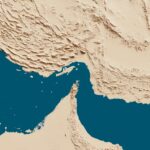
The signing of the Iraq-Syria pipeline agreement is indicative of a broader strategic realignment within the region, aiming to make the most of Iraq’s untapped oil reserves. Linking Iraqi production directly to Mediterranean export routes could potentially reduce reliance on traditional chokepoints and enhance overall market access amid fluctuating global energy demands.
The Operational Read
This agreement underlines a pivotal development in Iraq’s oil export strategy, seeking to establish direct routes to global markets. For shipping operators, the expansion of pipeline infrastructure may lead to more stable and predictable oil supply chains, reducing the impact of geopolitical tensions in transit routes. The involvement of international consortiums in exploration highlights increased foreign investment and interest in Iraq’s hydrocarbons sector. Moving forward, operators and investors should monitor bidding outcomes and the pace of construction to gauge the project’s impact on regional oil flows and pricing dynamics.