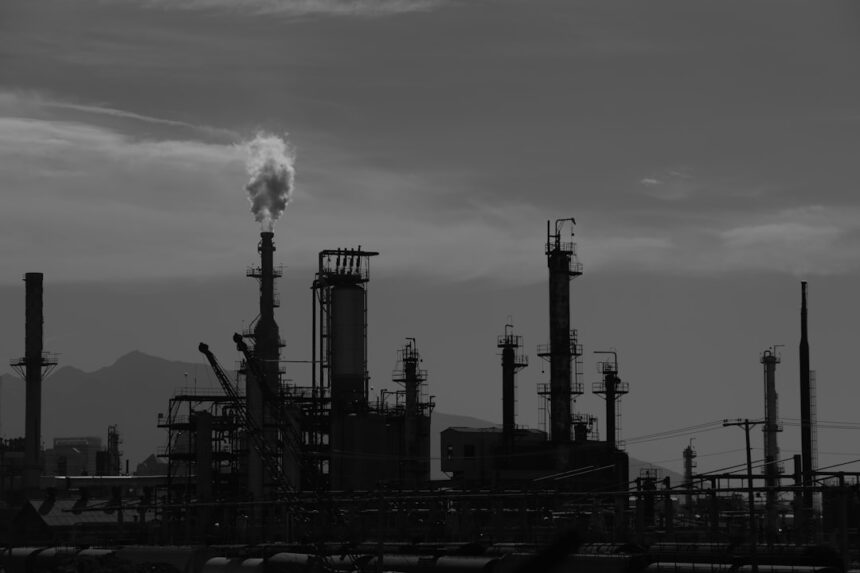
A drone attack on the Tyumen oil refinery, one of Russia’s largest privately owned oil-processing facilities, ignited a fire that emergency services are currently managing. Located in the Ural region, approximately 1,700 kilometers east of Moscow, the refinery has a production capacity of about 151,000 barrels per day and plays an essential role in supplying gasoline and diesel to western Siberia and the Urals.
Strategic Drone Offensive
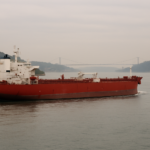
Ukraine’s recent drone activities reflect a strategic shift targeting critical infrastructure deep within Russian territory. The Ukrainian Security Service (SBU) announced successful strikes not only against Tyumen but also against the Filanovsky oil platform in the Caspian Sea and two bulk carriers allegedly transporting weapons from Iran. The SBU emphasized its intent to systematically diminish Russia’s military capacities and disrupt its supply lines.
This latest offensive comes amidst a broader trend of attacks instigated by Ukraine, extending its operational reach well beyond traditional frontlines. Since July 18, over ten logistics hubs associated with Wildberries, Russia’s leading online marketplace, have been targeted, reflecting a calculated effort to disrupt commercial operations and inflict substantial financial damage—estimated in billions of rubles.

Escalating Conflict Dynamics
In response to Ukrainian strikes, Russia has continued its aerial offensive, conducting drone strikes on maritime infrastructure in Ukraine’s southern ports, including Mykolaiv and Odesa. Reports indicate at least six fatalities and numerous injuries as a direct consequence of these assaults on civilian and military targets.
Further complicating the situation, Romania intercepted a Russian drone that entered its airspace, marking an escalation in the regional security concerns tied to the conflict. The situation remains fluid, with potential ramifications on logistics chains and the broader geopolitical landscape.
The Operational Read
The ongoing drone warfare signifies a pivotal evolution in operational strategies for both Ukraine and Russia. For operators, the intensified targeting of logistics and energy capabilities signifies increased risks in the region, necessitating adjustments in routing and risk assessments. The continual focus on disrupting supply chains can lead to elevated insurance costs and potential shifts in trade routes. As drone technology develops, monitoring shifts in operational capabilities will be essential, particularly regarding their range and effectiveness in targeting critical infrastructure deep inside enemy territory.