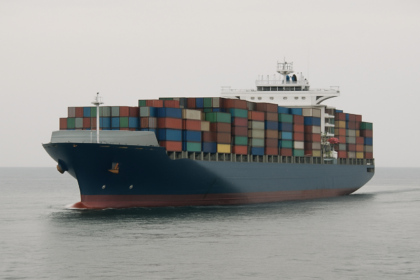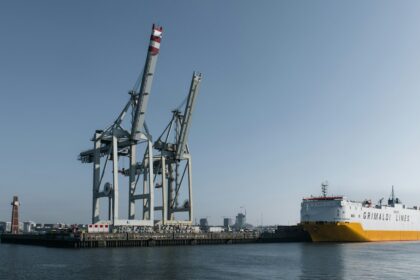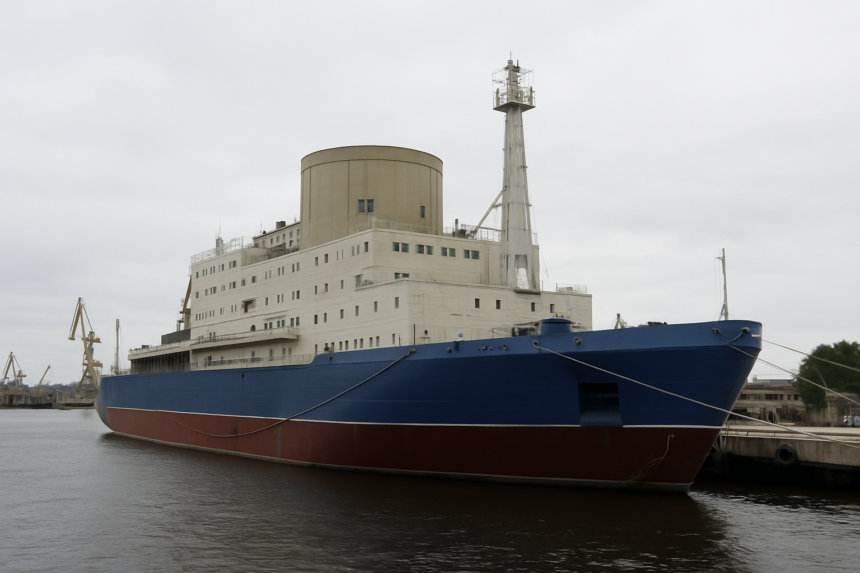
The Port of Long Beach has established a pioneering partnership with the U.S. Maritime Administration (MARAD) to advance small modular reactor (SMR) technology for commercial maritime applications. This collaboration reflects a broader strategic initiative to revitalize the U.S. shipping industry’s energy capabilities and align it with decarbonization objectives.

The Partnership
Signed on Wednesday, the nonbinding Memorandum of Cooperation creates a framework for the Port and MARAD to explore the integration of nuclear technology into various maritime operations. This agreement follows MARAD’s earlier call for feedback from the industry regarding the design of a U.S.-built, commercially viable SMR suited for marine transportation.
The partnership is particularly timely as interest in nuclear propulsion systems gains momentum amid increasing pressure to decarbonize long-distance shipping and enhance energy security. Notably, Port of Long Beach CEO Noel Hacegaba emphasized the potential of this collaboration to harness federal leadership and private innovation to advance nuclear energy in maritime applications.

Operational Framework
Under this partnership, the Port of Long Beach and MARAD will work alongside the U.S. Coast Guard, Department of Energy, and Nuclear Regulatory Commission. Their focus will include developing essential operational protocols, safety standards, and inspection procedures necessary for the potential deployment of SMR-powered vessels.
Importantly, the agreement does not authorize the construction of nuclear-powered vessels nor obligate the parties to specific funding or procurement decisions. However, the collaboration positions the Port to be at the forefront of emerging maritime energy technologies.
Future Implications
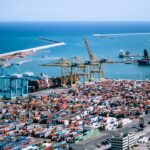
The initiative complements recent initiatives, including a lease agreement with BlueCore Energy Inc., which is set to assemble and test maritime power modules at the port. Such developments align with the Port’s long-term goal to double its container throughput to 20 million TEUs by 2050, which is expected to significantly increase electricity demands due to the electrification of cargo handling equipment.
Board of Harbor Commissioners President Frank Colonna highlighted the port’s historical role in piloting innovative technologies, stating that this partnership positions Long Beach as a leader in developing sustainable energy sources for the goods movement industry.
Behind the Headline
This agreement marks a crucial step in the integration of nuclear technology within the U.S. maritime sector, presenting noteworthy implications for operational efficiency and environmental impact. As the shipping industry grapples with stringent decarbonization targets, the development of SMR technology could offer a viable solution to enhance energy independence and reduce reliance on traditional fuels. Stakeholders will be closely monitoring the operational protocols and safety standards established through this partnership, as successful implementation could transform the energy landscape and operational capabilities of U.S. shipping.