Update 27 Sep 2026, 08:33 UTC:
The Rhine River has hit unprecedented lows this week, intensifying a shipping crisis that has plagued Europe amidst a summer of drought. This vital waterway, a key channel for transporting goods across Germany and the broader European market, is now revealing the operational vulnerabilities of companies dependent on its reliability.
The Current Crisis
With water levels reaching historic lows not seen since 1880, businesses along the Rhine are facing a stark reality. The Development Center for Ship Technology and Transport Systems (DST) in Duisburg reports that the ongoing drought has necessitated urgent adaptations for many companies reliant on the river, leading to a reevaluation of logistical strategies.

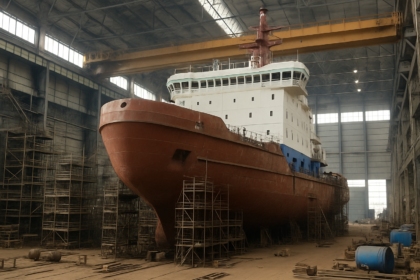
Cyril Alias, a researcher at DST, noted the profound uncertainty created by these low waters, stating that traditional shipping methods are no longer viable. Innovative designs, such as vessels equipped with smaller propellers and side-mounted wheels, are being explored to tackle the challenges of navigating shallow waters.
Impact on Chemical Producers
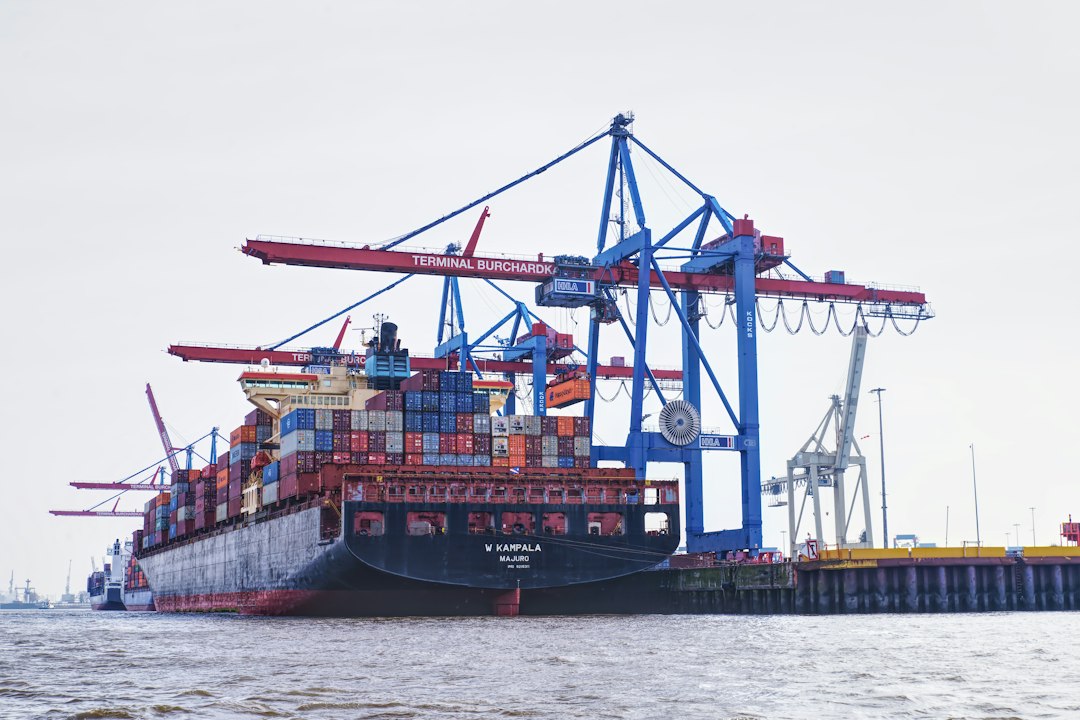
The Rhine serves as a key transportation artery for industrial giants, including Covestro AG, BASF SE, and Shell plc, connecting manufacturing hubs to global supply chains. Major producers have already initiated measures such as curtailing output or invoking force majeure due to sustained operational disruptions.
Ruirui Zong-Rühe from Roland Berger highlighted the precarious position of the chemical industry, which is concurrently grappling with weak demand and high energy costs. For many firms, the financial burden of investing in resilience against such climatic disruptions has been deemed too high, particularly in this challenging economic climate.
As transport costs escalate—current freight rates are reportedly five times higher than those at the start of summer—companies are increasingly looking to alternative transport modes. However, shifting to rail and road remains cost-prohibitive, further exacerbating supply chain pressures.
Long-Term Adaptations
The current situation on the Rhine has underscored the critical need for adaptation strategies within the shipping sector. Some companies that proactively invested in vessels designed for shallow waters following the drought of 2018 have been better positioned to maintain operations during this ongoing crisis.
BASF, in collaboration with HGK Group, is actively developing a new class of low-water vessels capable of transporting larger cargo volumes in adverse conditions. This proactive approach contrasts sharply with those less prepared for such eventualities.
Despite the ongoing challenges, BASF has expressed optimistic forecasts regarding economic damage, with expectations for limited acute impacts on operations. However, the industry faces a longer-term issue: the average lifespan of vessels is approximately 50 years, making fleet replacement a slow process. Of the limited number of low-draft vessels in Germany, a significant fraction are owned by a single company, indicating a fragmented sector unable to swiftly adapt to changing conditions.
Behind the Headline
The extreme low water levels on the Rhine highlight not just ecological stresses, but also significant operational challenges for shipping companies. The need for vessels to navigate tighter waterways will likely drive innovation in design and engineering, influencing the future of river transport. The disparity between companies with foresight and those scrambling to catch up will shape the competitive landscape in Europe’s chemical sector. As climate patterns become increasingly unpredictable, continuous investment in infrastructural resilience will be essential for safeguarding against future disruptions.