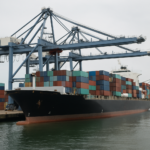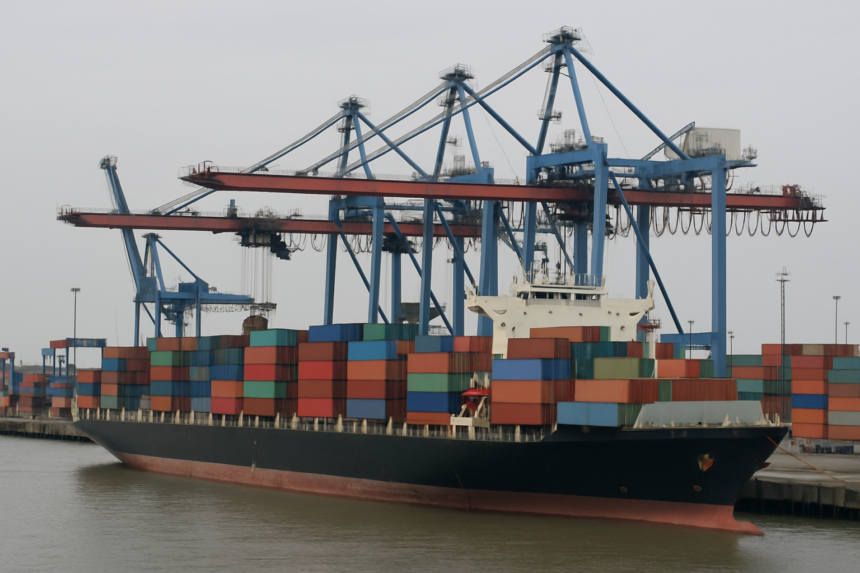
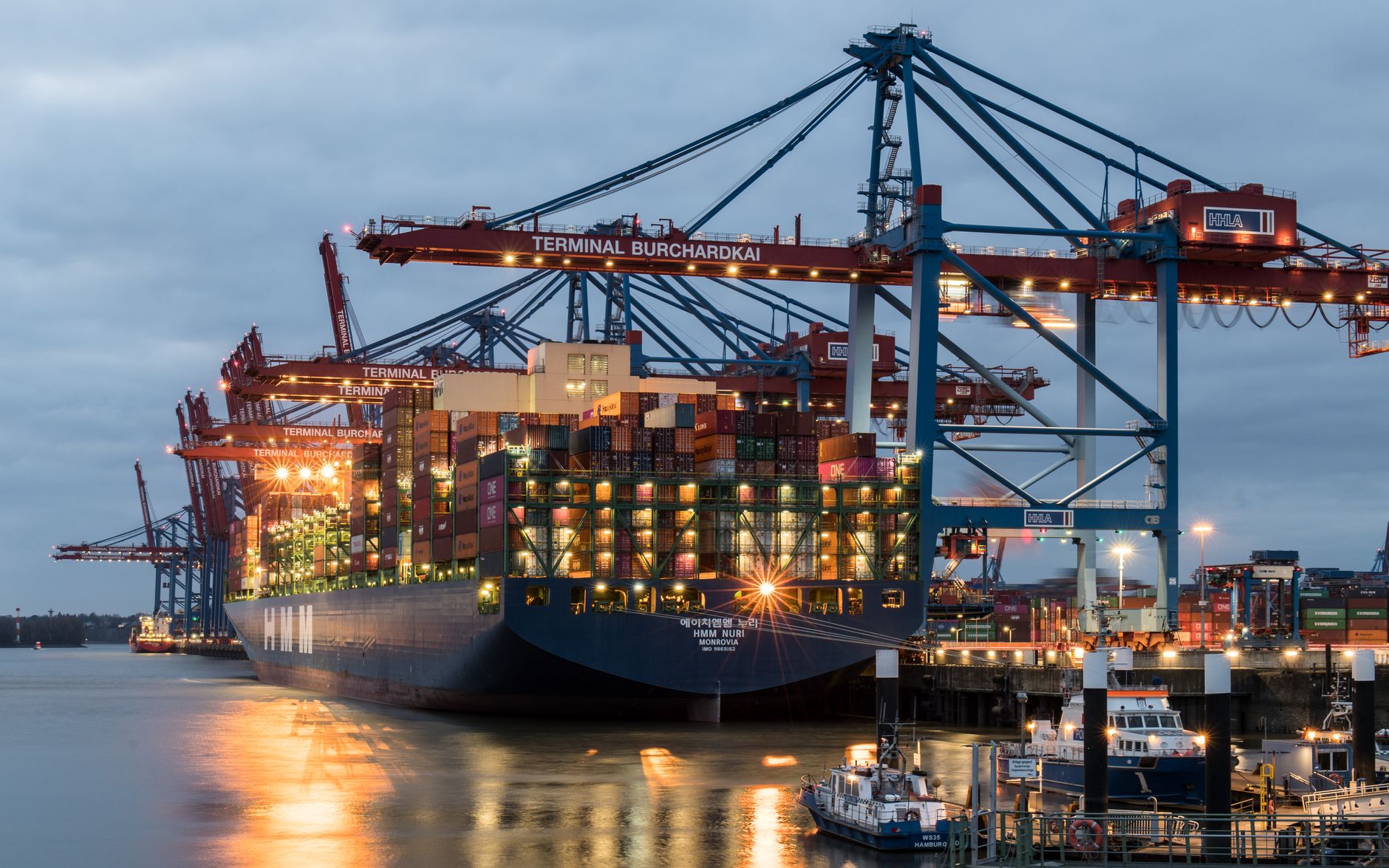
Average waiting times for vessels at Port Hedland have surged to approximately 8.7 days as of July 17, reflecting a significant increase in congestion at one of Australia’s key iron ore export ports. This uptick coincides with notable industrial actions affecting BHP’s operations, marking the first such event in more than two decades.
The Incident
The average waiting time tracking 30 days stood at 8.66 days, nearing its highest level in the past 18 months. On July 16, the peak daily waiting time reached a high of 9.44 days, correlating with an eight-hour protected stoppage from 2:00 pm to 10:00 pm called by the workforce. The stoppage is primarily centered on disputes over wages and employment conditions. Despite the labor action, BHP reported that operations proceeded as scheduled, with seven vessels loaded during this period, which limited the initial impact on export activities.
Market Repercussions
Attention is now focused on the outcome of ongoing negotiations between BHP and the labor unions. Union representatives have indicated that if an agreement is not finalized promptly, further industrial action could occur, potentially disrupting iron ore export flows from Western Australia. Such a scenario would pose significant risks to both operations and market stability. The recent labor unrest has coincided with shifts in iron ore freight rates; the Capesize C5 route from West Australia to Qingdao saw a decrease to US$11.81 per metric ton, reflecting a week-on-week drop of US$1.51.

Future Outlook
As of July 17, analysis of the freight market indicates a cooling trend following prior highs, with the Baltic Dry Index (BDI) decreasing to 2,752, down by 3.1%. The Capesize Index (BCI) also fell to 4,097, while average earnings on the C5TC route dropped significantly to roughly US$33,653 per day. Such fluctuations underscore the delicate balance in supply and demand dynamics, particularly for the Pacific iron ore trade, which has seen a greater supply surplus compared to trade routes from Brazil.
Behind the Headline
The escalating wait times at Port Hedland illustrate the vulnerability of global supply chains to labor disputes. The operational continuity maintained by BHP during the recent stoppage may mitigate immediate disruptions, yet persistent negotiations and potential further strikes present a significant risk. For charterers and shipping operators, monitoring these developments closely is crucial, as additional stoppages could exacerbate congestion and impact freight rates in an already shifting market. Observers should be alert to the outcomes of upcoming negotiations and the potential for escalation, as this could shape iron ore export flows and broader shipping costs in the near term.