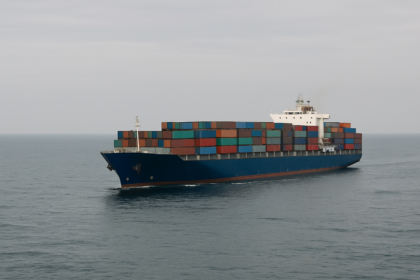
On September 4, 2026, the Baltic Dry Index registered a significant increase of 140 points, rising to 3628. This uptrend is attributed to robust demand for bulk commodities, particularly coal, grain, and iron ore.
Understanding the Baltic Dry Index
The Baltic Dry Index is a key indicator for assessing global shipping rates and maritime trade dynamics, compiled by the London-based Baltic Exchange. It provides a reflection of the cost of shipping various bulk cargoes, crucial for market participants in logistics and shipping.
Current Market Trends
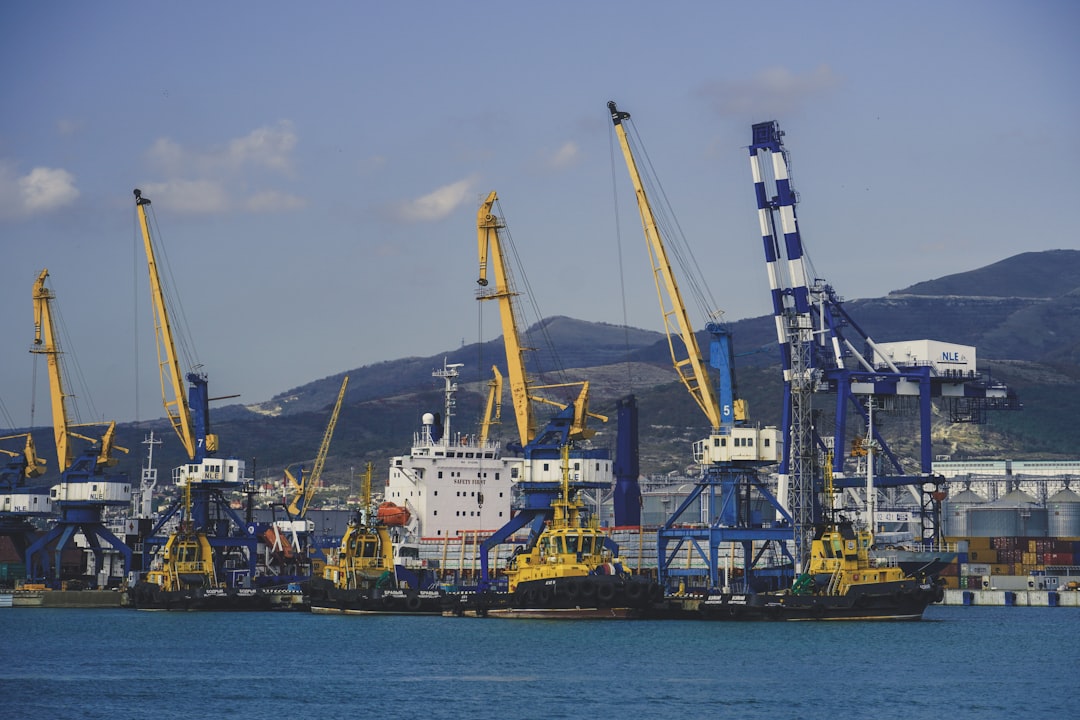
The recent surge in the index suggests an uptick in global trade activities, which could spur growth across various sectors reliant on these bulk materials. Historically, the Baltic Dry Index has seen extreme fluctuations, with its peak value recorded at 11,793 in May 2008, juxtaposed against its lowest level of 290 in February 2016, illustrating the inherent volatility of the maritime market.


Market Implications
This latest enhancement in the Baltic Dry Index signals a potential upward momentum in shipping demand. Increased cargo volumes may lead to higher freight rates and heightened operational opportunities for shipping companies. Stakeholders across the supply chain should monitor this index closely, as it could herald shifts in charter rates and voyage profitability.
Behind the Headline
The rise in the Baltic Dry Index underscores a pivotal moment for the bulk shipping industry, reflecting broader economic conditions and demand cycles for raw materials. As supply chain disruptions remain a concern, operators may need to prepare for fluctuating freight rates and possible adjustments in laytime strategies. Continuous monitoring of cargo demand and global economic indicators will be essential for operators and charterers to optimize their logistical planning and operational expenditures.