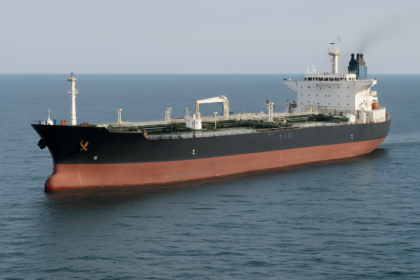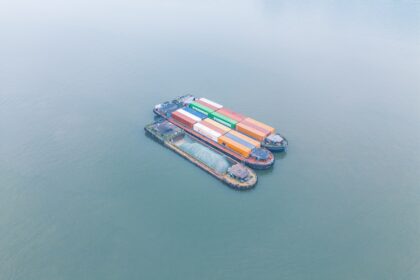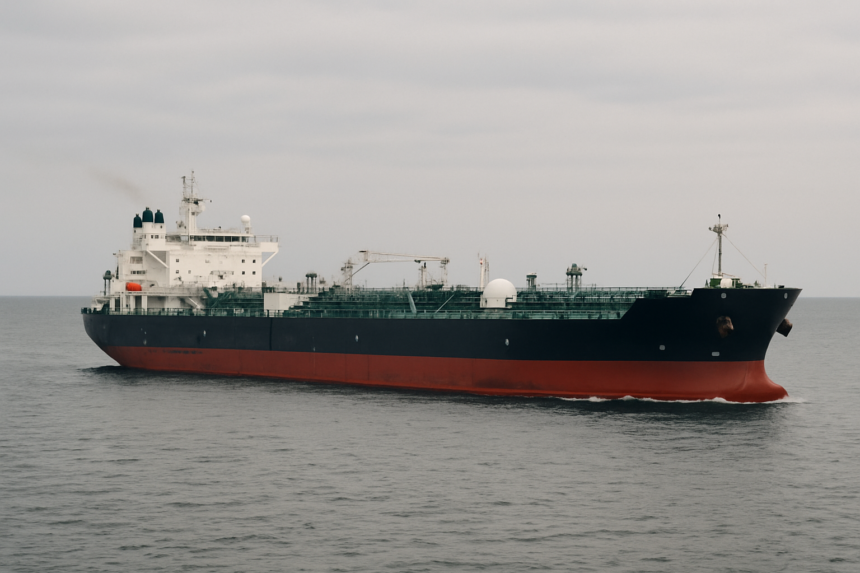
On Wednesday, European wholesale natural gas prices remained elevated, reflecting growing geopolitical anxieties as Houthi maritime strikes against commercial energy vessels in vital transit corridors increased risk premiums across the energy market. The Dutch front-month contract, a key benchmark, saw a 3% rise, reaching approximately 61.7 euro per megawatt-hour (MWh), as concerns over winter fuel supplies heightened. Simultaneously, the British wholesale gas contract rose 3% to about 149 pence per therm.
The Incident
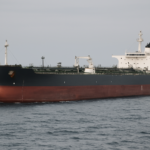
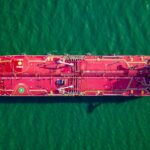
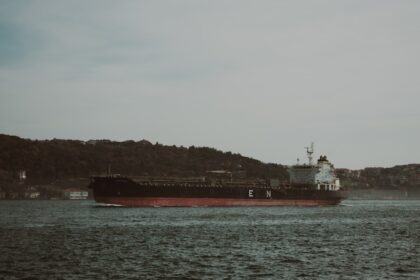
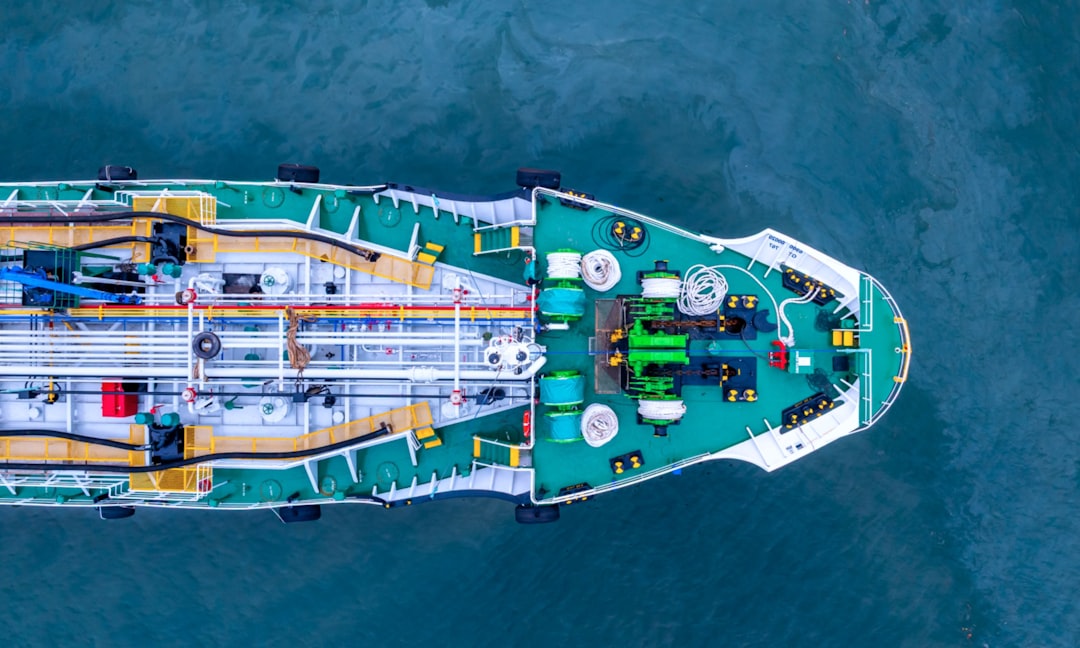
The renewed hostilities by Yemen’s Iran-aligned Houthi group have raised alarms following their announcement of a naval blockade against Saudi Arabia. These developments come on the heels of a maritime incident where a commercial tanker caught fire near the crucial Strait of Hormuz, underscoring the increasing maritime threats in the region. Safety measures, including naval escorts, are in place to facilitate vessel transit through these volatile waterways; however, the escalating risk posed by mines and drone threats has prompted insurance underwriters to raise war-risk premiums significantly.
Market Impact
The geopolitical turbulence has compounded pressures on European utilities, with gas storage currently at about 53% capacity—approximately 15 percentage points below five-year seasonal norms. As a heatwave drives up demand for gas-fired power generation for air conditioning, the risk of fuel shortages grows more acute. This scenario presents a significant challenge for the European energy market, which is already grappling with rising costs of natural gas and electricity.


Operator Response
Operators within the energy sector are now tasked with navigating these heightened risks while ensuring that supply chains remain resilient in the face of ongoing attacks. The situation remains fluid, and stakeholders are closely monitoring developments, particularly as the European Central Bank prepares for its upcoming monetary policy meeting. Rising energy costs could influence the ECB’s decisions, potentially leading to a sustained hawkish stance aimed at curbing inflationary pressures exacerbated by volatile energy prices.
The Operational Read
The escalation of maritime threats poses significant operational challenges for energy transport and logistics, particularly during a time when European utilities are already under pressure from low gas storage levels. Operators must now factor in increased war-risk premiums, which will likely affect freight costs and insurance rates. The heightened geopolitical risk may also lead to more cautious routing and scheduling decisions, as companies weigh the trade-off between transit times and safety. Monitoring the situation will be essential for stakeholders as the winter season approaches, affecting energy availability and pricing across the continent.