In a significant escalation of rhetoric, President Donald Trump announced that any future Iranian attack on merchant vessels in the Strait of Hormuz will prompt the United States to target specific bridges or power plants within Iran. This warning was delivered via a post on Truth Social on Wednesday, effectively tying military action to maritime aggression.
The New Policy
The President’s explicit threat implies that any use of missiles, rockets, drones, or other weapons against ships transiting this critical oil chokepoint will provoke a systemic response from the U.S. military, aimed at Iran’s civilian infrastructure in close proximity to Tehran. The framework suggests a higher threshold for engagement, as each incident will now incur a significant retaliatory mechanism designed to deter further hostilities. Trump stated, “From this point forward… the United States will bomb and destroy ONE BRIDGE OR POWER PLANT.”
This directive brings the U.S. military posture into sharper focus against a backdrop of increasing Iranian aggressions, which include recent attacks on commercial vessels and American forces in the region. This latest statement follows 11 nights of airstrikes against Iranian assets by U.S. forces, highlighting the ongoing conflict between the two nations.

Implications for Maritime Operations
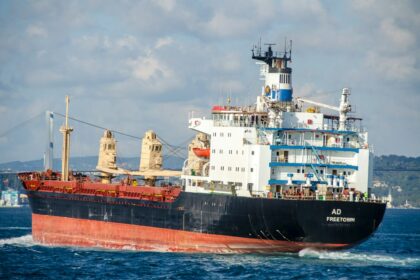
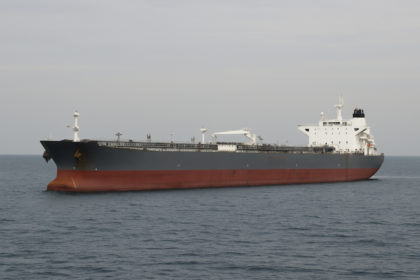
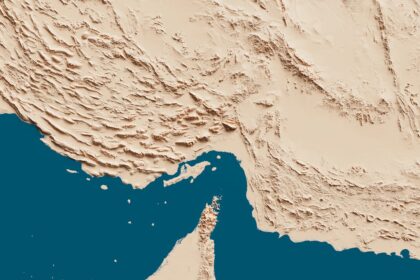
The situation in the Strait of Hormuz, a vital maritime corridor through which approximately 20% of global oil passes, has been severely impacted. Although the strait remains operational for commercial traffic, it has witnessed a marked decline in transits as ship owners, crews, and insurers grapple with the escalating security risks. The immediate aftermath of Trump’s announcement has not seen any substantial mitigation of risk for shipping companies, who continue to assess the geopolitical landscape with heightened caution.
Transiting vessels have increasingly adopted U.S.-coordinated routes through Omani waters. However, these routes have not proved entirely immune to threats, especially following the breakdown of a U.S.-Iran Memorandum of Understanding (MoU) on July 8. Operators are now faced with the dual challenge of ensuring safe passage while navigating an environment fraught with uncertainty.
The Operational Read
The recent escalation in U.S.-Iran tensions brings operational concerns for shipping lines and charterers. With the U.S. linking Iranian maritime aggression to civilian infrastructure strikes, companies must reassess route planning, risk management, and insurance coverage as confidence dips in the Strait of Hormuz. The need for enhanced security protocols, rerouting decisions, and potentially increased war-risk premiums will be paramount as operators brace for continued hostilities. Monitoring the geopolitical developments closely will be essential for navigating the operational complexities amidst this unfolding crisis.