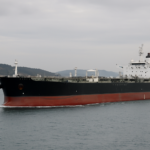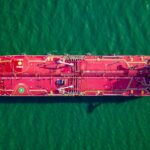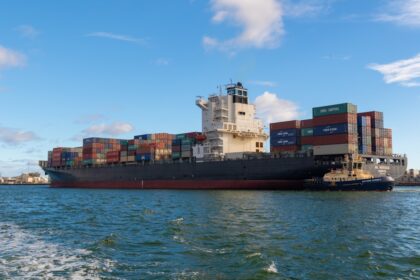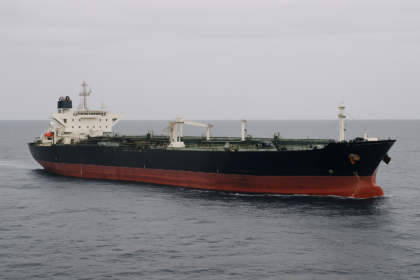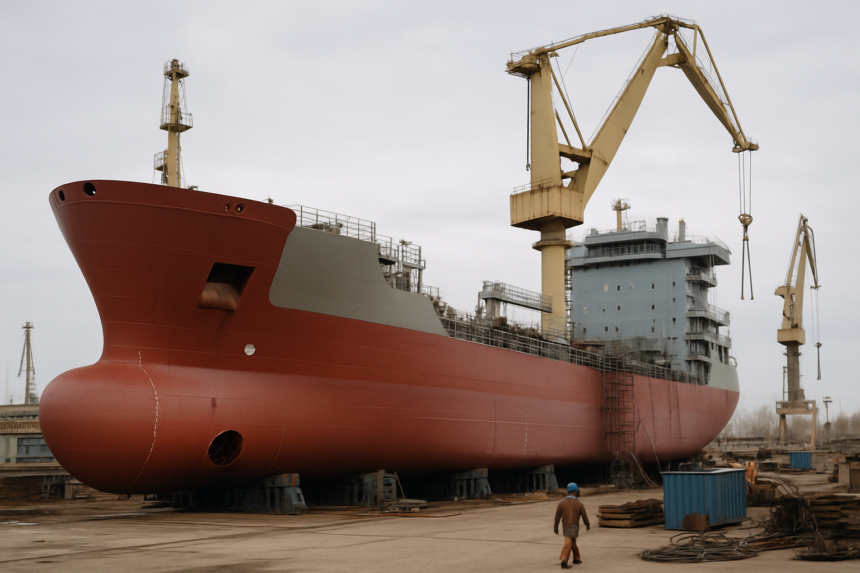
Fairfield Maritime Japan has secured a significant long-term charter from Finnish refiner Neste for the construction of two ice-class medium-range (MR) product and chemical tankers. These vessels, each with a deadweight tonnage of 50,000 dwt, are expected to be delivered in 2029 and will be built at HD Hyundai in South Korea.
Strategic Importance of Ice-Class Vessels
The agreement reflects a growing emphasis on operational capabilities in challenging climates, particularly in Arctic and sub-Arctic regions. Ice-class tankers are designed to navigate icy waters, which is increasingly crucial as shipping routes change due to climate change and diminishing ice coverage. Neste’s commitment to sustainability also aligns with the expected capabilities of these new builds, which aim to fulfill their operational needs responsibly.
Financial and Operational Framework
Fairfield Maritime will finance and oversee the construction of the two vessels, a move that underscores its role in enhancing maritime infrastructure. By partnering with a leading refiner like Neste, Fairfield ensures reliable operations for the tanker fleet while also benefiting from the growing demand for sustainable shipping solutions. The strategic choice to invest in ice-class technology is likely in response to the anticipated increase in demand for shipping goods through Arctic routes.

Behind the Headline
The charter agreement between Fairfield Maritime and Neste demonstrates a strategic shift in ice-class vessel deployment in response to changing maritime operations. As greenhouse gas emissions regulations tighten and the need for environmentally friendly shipping alternatives grows, such investments are critical for operational resilience. The production and management of these vessels will also create new opportunities for cargo operations in Arctic waters, pivotal in a changing global trade landscape. Stakeholders will need to monitor developments closely, particularly regarding construction timelines and regulatory compliance as these new vessels enter the market.