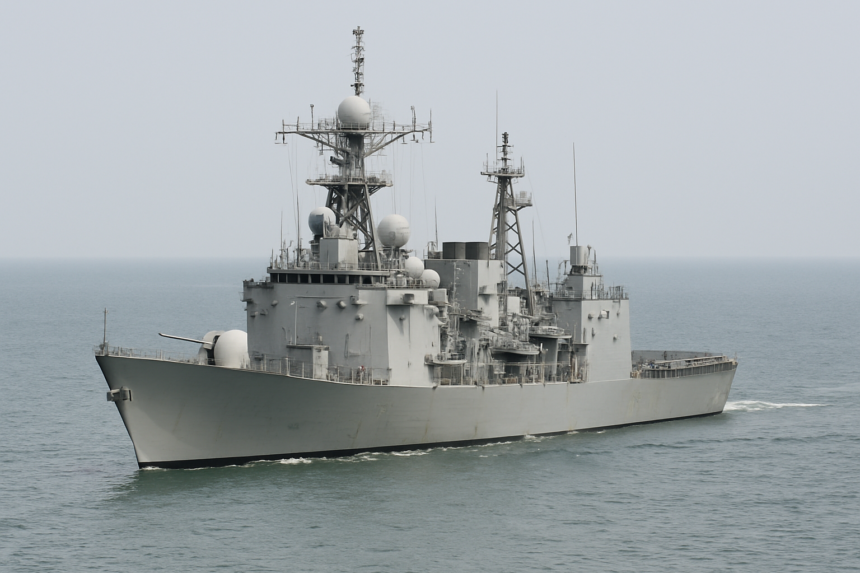
On July 15, the U.S. military executed a series of targeted strikes against Iranian coastal defense systems and cruise missile sites, part of an ongoing escalation surrounding the Strait of Hormuz. The operation took place early Wednesday, with the U.S. Central Command confirming the strike aimed at degrading military capabilities that have allegedly been used to threaten commercial shipping.
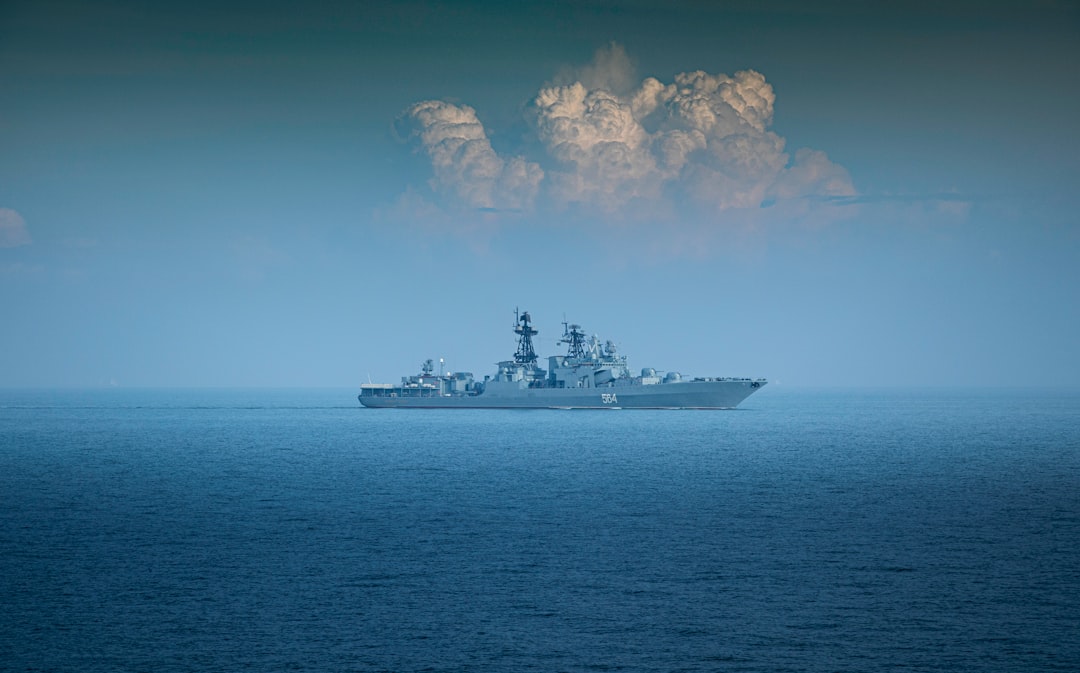
The Military Action
The recent strikes began around 6 a.m. ET and concluded within approximately 90 minutes. They targeted critical military assets on Iran’s Greater Tunb Island, where Iran has been strengthening its defensive positions. This military action follows the reimposition of a naval blockade on Iranian ports by the U.S., compounding tensions in an already volatile region.
Iran’s Threats and Regional Implications
In response to the attacks, the Islamic Revolutionary Guard Corps (IRGC) threatened to further constrain regional energy exports, signaling a desire to exert its influence over key maritime corridors. The IRGC has stated that the Strait of Hormuz will remain closed until the perceived threats from the U.S. are eradicated. This closure poses a critical risk to global energy shipping, as nearly a fifth of all oil and gas shipments navigate this strait.

The geopolitical landscape shifted dramatically on July 11 when Iran asserted control over the Strait, claiming responsibility for recent attacks on commercial vessels. With Iranian forces allegedly targeting several ships in just the past week, both the safety of crew members and the security of energy supplies have come under increased threat. The U.S. Central Command cited these attacks as justification for their military actions.
Market Reactions
The oil market reacted to the renewed hostilities with prices increasing about 1% on July 15, following a rise to a one-month high the previous day. The potential for prolonged conflict directly threatens energy prices and could spur inflationary pressures in global markets.
The Operational Read
The current military escalations underscore the precarious balance of maritime security in the Gulf region. The U.S. strikes aim to deter Iranian aggression, but the threat of an expanded conflict remains palpable, particularly if Iran escalates its operations via proxy forces. For shipping operators, the implications of these developments necessitate heightened risk assessments and potential rerouting strategies. Monitoring the Strait of Hormuz and Bab el-Mandeb will be vital, as disruptions could severely impact global supply chains and drive up operational costs. The strategic responses from both U.S. and Iranian forces will be crucial in the coming days as the industry watches closely for shifts in security protocols.