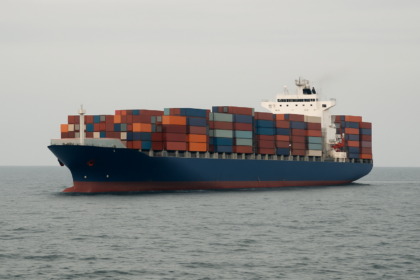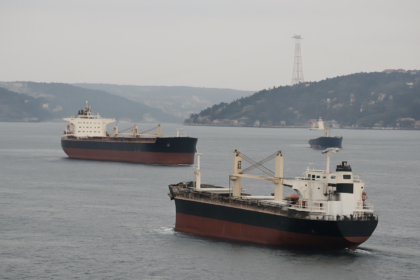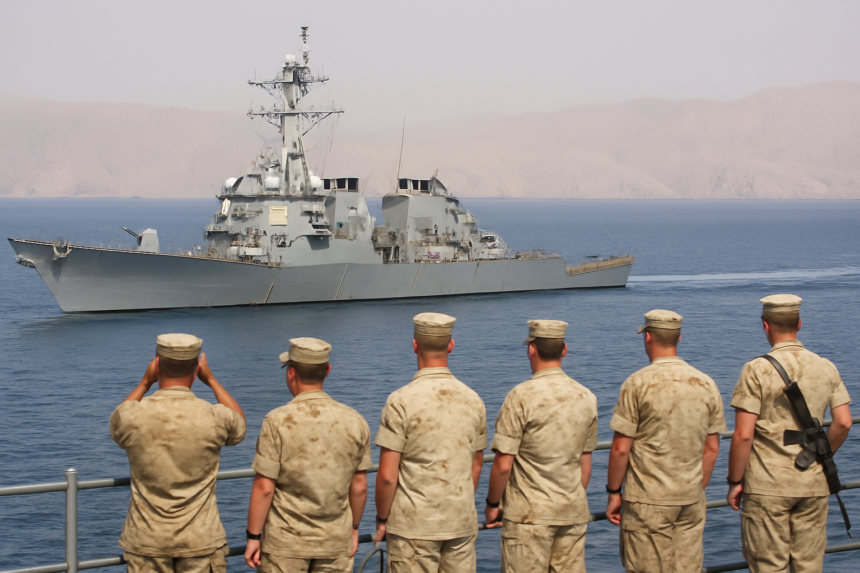
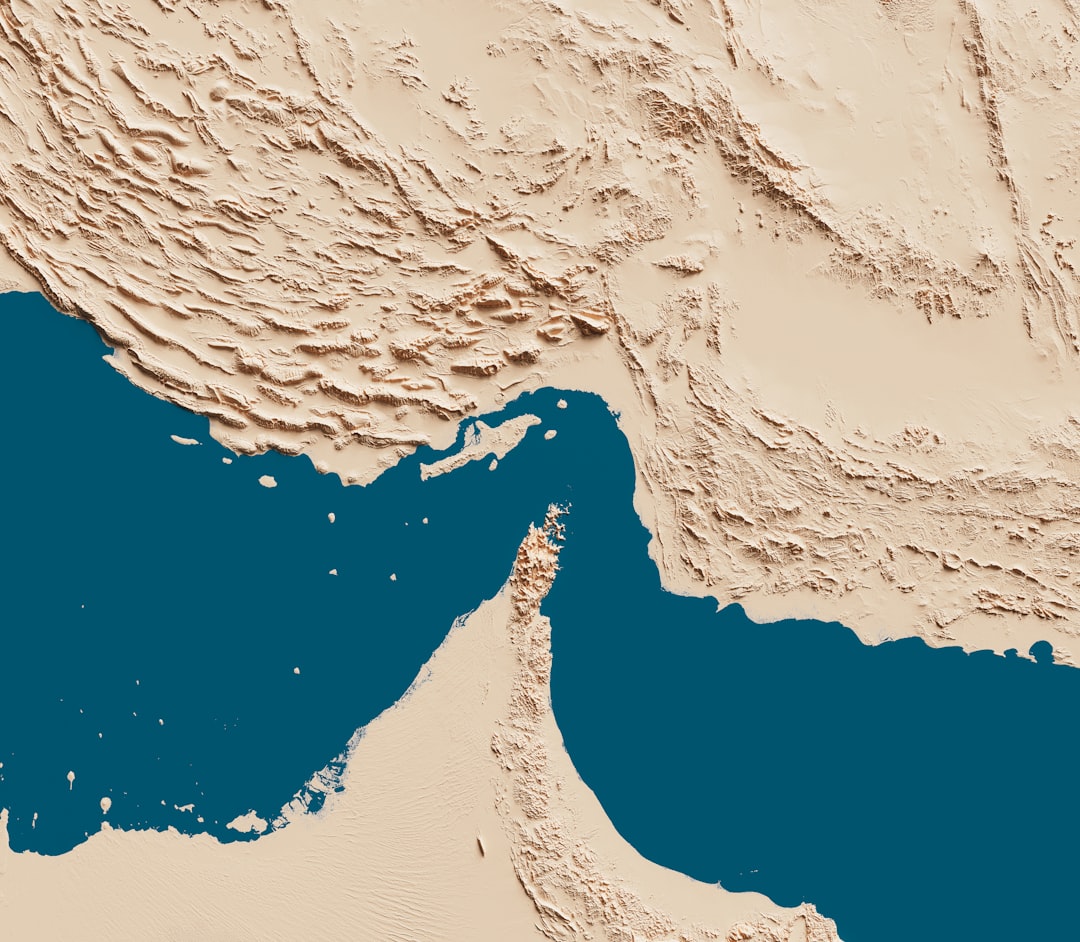
Military actions between the United States and Iran have escalated significantly in recent days, primarily centered on the vital Strait of Hormuz. President Donald Trump reaffirmed the commitment to intensify US bombardments against Iranian military positions, marking a notable shift back to aggressive tactics to ensure the safety of maritime navigation.
The Military Escalation
Over the past several days, US forces have targeted a range of Iranian military installations, including radar facilities and missile sites, continuing a campaign that began a month after a fragile interim peace agreement was signed. This latest operation marks a worrying escalation, as tensions over maritime security in the Strait have led to increased hostilities, with Iran asserting its jurisdiction over vessels traversing this critical shipping route.
According to reports, both sides blame each other for violating terms outlined in the memorandum, which have complicated the maintenance of unimpeded navigation through the strait. Trump’s recent decisions, including the cessation of waivers on Iranian oil sanctions and the imposition of a naval blockade, reflect a pivot towards a more militarized approach aimed at deterring Iranian actions.

Impact on Energy Markets
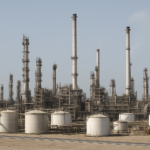
As a reflection of the growing unrest and uncertainty in the region, global oil prices have seen significant increases, with Brent crude climbing to nearly $86 per barrel, a 13% rise for the week. This spike showcases the heightened risks surrounding oil supply routes, affecting not only commercial shipping but also the broader global energy market dynamics.
The Iranian government has reported numerous civilian casualties due to US air strikes, further complicating the geopolitical landscape. Amidst these military actions, the Islamic Revolutionary Guard Corps (IRGC) has declared intentions to maintain a closure of the Strait until the US ends its military operations, raising the specter of potential supply disruptions for key Gulf states exporting their oil through this strategic passage.
The Diplomatic Dilemma
Efforts for reining in Iran’s nuclear program and establishing lasting peace have stalled as the focus shifts to Hormuz control issues. The imminent risk of direct military confrontations suggests that without a renewed diplomatic effort, operations for shipping companies in the Gulf may face substantial disruptions. The region’s geopolitical stability remains fragile under these circumstances as operators contend with the increasingly complex operational landscape.
The Operational Read
The unfolding situation underscores the complexities of maritime operations in a conflict-prone environment like the Strait of Hormuz. For shipping operators, the immediate concern revolves around route safety and potential delays due to military engagements. With rising war-risk premiums and possible rerouting through alternative passages, companies may see increased operational costs. Monitoring developments from both US and Iranian positions will be critical for assessing whether existing shipping protocols can adapt to the escalated risks. Operators should be prepared to implement contingency plans, including real-time tracking of geopolitical developments, to mitigate impacts on supply chains.