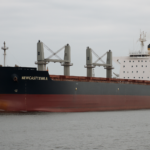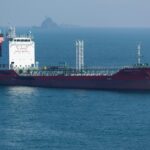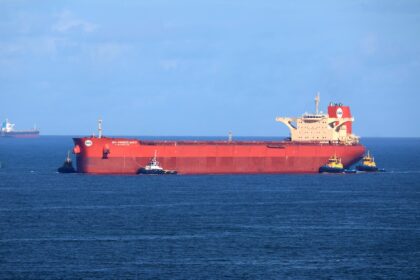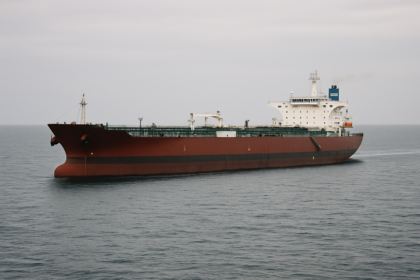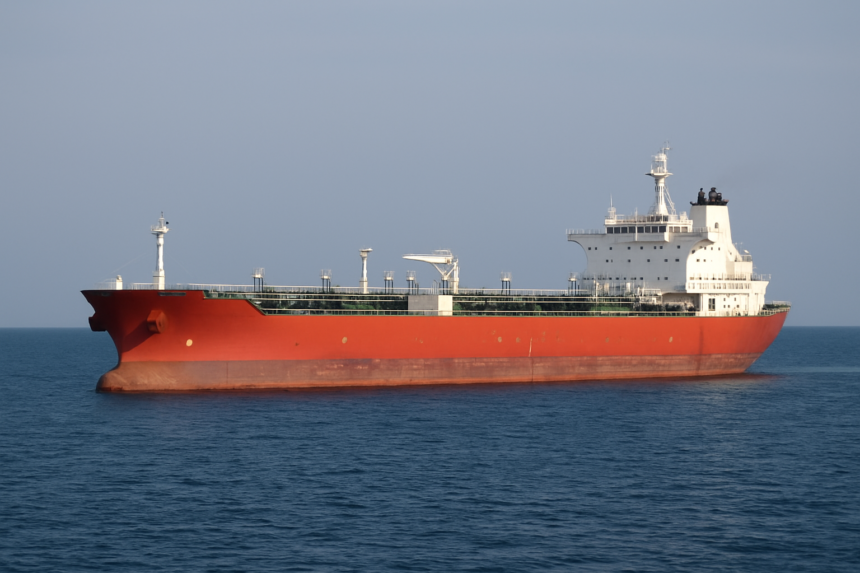
On Tuesday, July 14, the United Arab Emirates Ministry of Defence confirmed that two very large crude carriers (VLCCs), the Mombasa B and Al Bahyah, were struck by Iranian cruise missiles while transiting the Strait of Hormuz, resulting in one fatality among the crew and multiple injuries. These attacks represent a significant escalation in hostilities within this strategically critical waterway.
The Incident
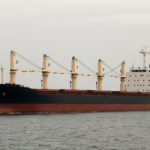
According to the UAE Ministry of Defence, the two tankers were struck as they navigated through the southern lane of the strait, which lies within Omani territorial waters. The attack left the Mombasa B and Al Bahyah with substantial damage, leading to fire outbreaks on board. The UAE stated that the fires were subsequently brought under control.
The Mombasa B’s crew suffered the most severe impacts, with one Indian sailor reported dead and eight others wounded, four of whom sustained serious injuries. Reports indicate that six of the injured are Indian nationals and two are Ukrainian.

Regional Context
This incident unfolds against a backdrop of heightened tensions in the region following continuous military engagements involving U.S. and Iranian forces since late February, following a renewed wave of conflict. The U.S. Central Command had previously facilitated the transit of over 400 million barrels of crude through the Strait of Hormuz in just two months, underscoring its importance to global energy markets.
The Islamic Revolutionary Guard Corps (IRGC) defended the attacks, claiming the tankers were targeted for failing to heed warnings, turning off navigation systems, and navigating along what they described as a mined route. This assertion raises questions about the operational safety and potential risks of navigating through the Strait of Hormuz amidst ongoing geopolitical conflicts.
Market Implications
The implications of these missile strikes extend beyond immediate human tragedy, posing significant risks for global shipping operations. The Strait of Hormuz is pivotal for oil transport, serving as a conduit for approximately one-fifth of the world’s oil supply. Escalating hostility in this area raises concerns about the safety of maritime operations, with shipping operators now facing increased war-risk premiums and the potential for rerouting cargoes to avoid conflict zones.
The Operational Read
The attack on the Mombasa B and Al Bahyah highlights the precarious nature of maritime security in the Strait of Hormuz. For operators and charterers, the potential for similar incidents necessitates a thorough reassessment of risk exposure and operational planning. The possibility of increased military tensions warrants heightened vigilance and could lead to shifts in cargo routing strategies to safeguard vessels and personnel. Furthermore, the incident emphasizes the integral role of military partnerships and readiness in securing vital shipping lanes against aggressive actions, as market participants monitor developments closely.