Update 12 Jul 2026, 22:34 UTC:
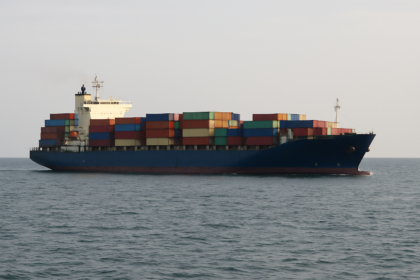
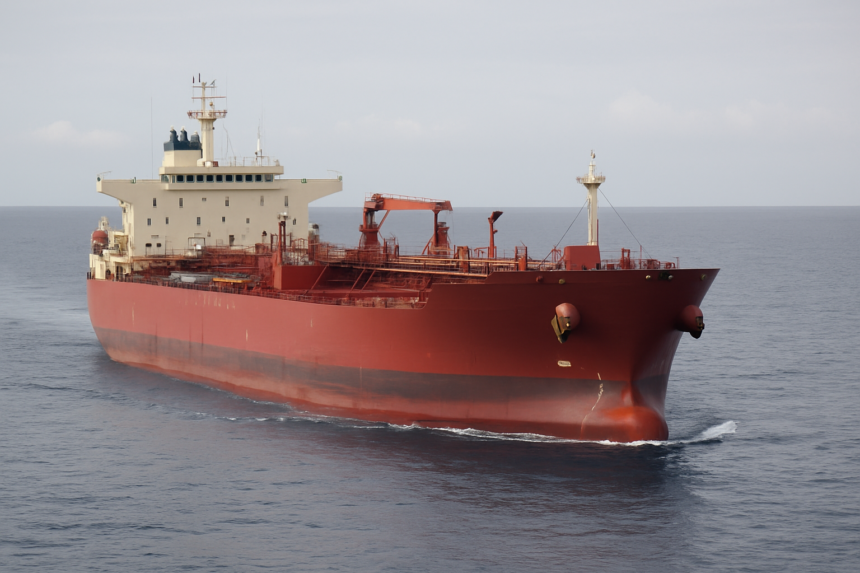
The Iranian Revolutionary Guard Corps (IRGC) has announced the closure of the strategically vital Strait of Hormuz in response to a recent wave of US airstrikes directed at Iranian military facilities. The decision comes after the IRGC reportedly targeted a Cyprus-flagged commercial vessel, the MV GFS Galaxy, causing significant damage to the engine room and forcing crew evacuation.
The Incident
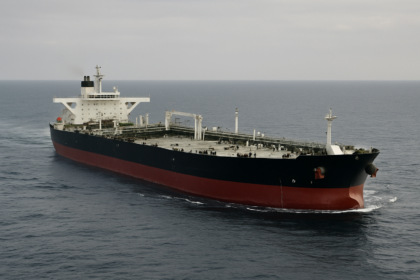
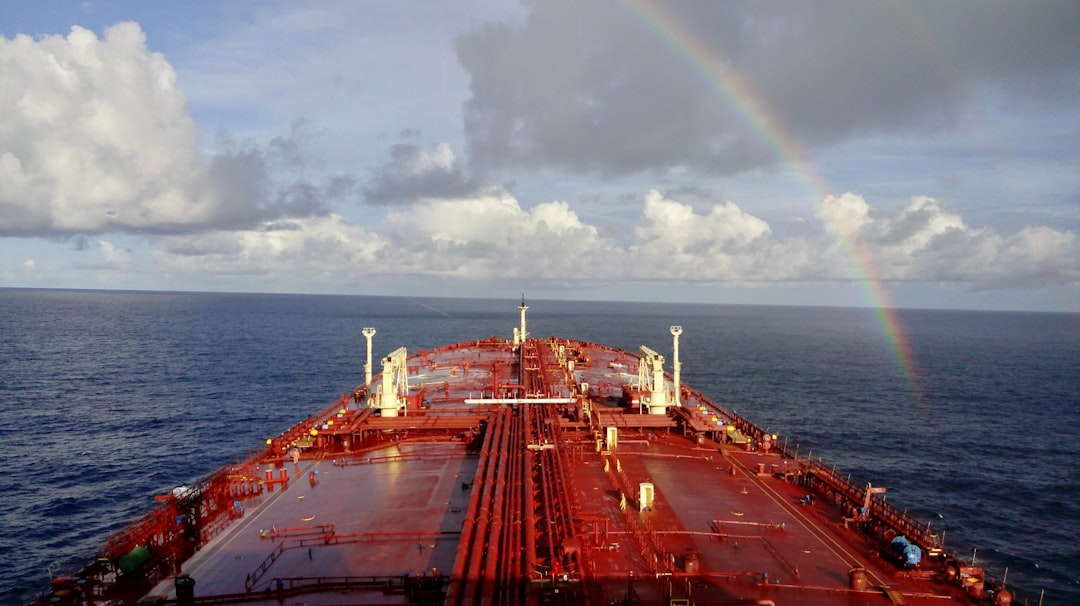
According to US Central Command (Centcom), this marks a significant escalation of tensions in the region, as multiple commercial tankers encountered aggressive actions from the IRGC earlier in the week. Centcom confirmed that the GFS Galaxy was rendered unable to continue its journey due to the damage inflicted, and one crew member is currently unaccounted for.

In retaliation for these incidents, the US launched a third round of airstrikes targeting over 140 Iranian military locations, including missile and drone sites. Centcom emphasized that this military action was a direct response to what it characterized as Tehran’s blatant aggression against civilian shipping.
Regional Military Response
Iran, facing severe military consequences, launched retaliatory strikes against the Prince Hassan Air Base in Jordan and claimed to have destroyed critical command and control infrastructure. The IRGC’s provocative actions further extended to issuing a warning that any US military aggression would meet with a severe response, adding to the already fraught atmosphere in the region.
The closure of the Strait is particularly concerning, given its status as a key passageway for global oil shipments and trade routes. With the IRGC demanding adherence to its designated shipping routes, many operators now face extensive delays and uncertainty in logistics and safety.
The Operational Read
This recent escalation in the Strait of Hormuz could have significant implications for maritime operations in the region. Vessels transiting through a critical chokepoint must now navigate heightened security risks, potentially reassessing routes and considering war-risk insurance premiums. The closure could lead to operational delays and increased costs for shipping companies, particularly for those reliant on the straight route for oil and gas shipments. For the broader market, continued hostilities may see shipping rates surge and operator strategies shift significantly. Close monitoring of both the IRGC’s directives for safe passage and US military responses will be critical in the coming days.