The Incident
Marine insurers in London have reported a marked decline in requests for war-risk insurance quotes related to journeys through the Strait of Hormuz, prompting concerns over a growing reluctance among shipowners to commit to transits in light of escalating hostilities between the U.S. and Iran. As the ceasefire appears to be collapsing, brokers note that many operators are re-evaluating their plans to navigate this critical chokepoint.
Market Impact
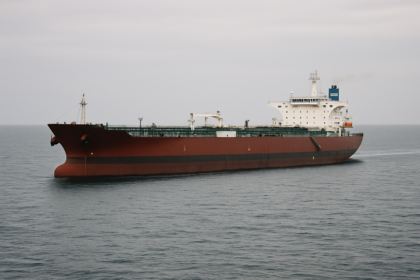
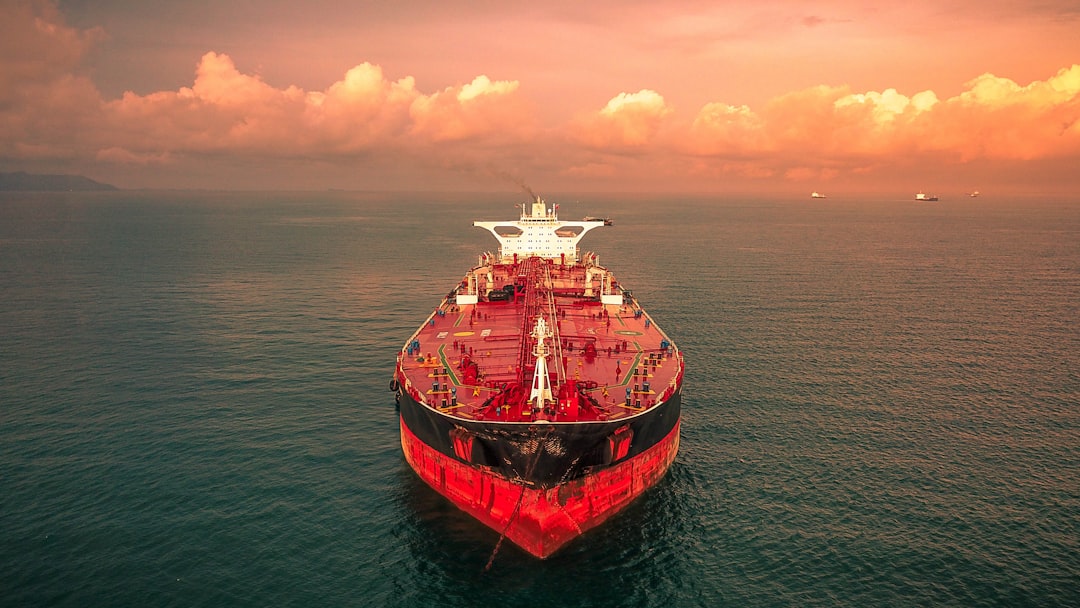
According to industry sources, shipping traffic in the Strait of Hormuz has visibly decreased, with few vessels reportedly making the transit as of Thursday. The decrease in requests for insurance quotes starkly contrasts the previous months when shipowners regularly sought coverage for transit through the Strait. Underwriters confirmed that the fluctuation in requests directly correlates with heightened hostilities in the region.
Simon Lockwood, head of shipowners at Willis Towers Watson Plc, indicated that while the volume of inquiries has dropped due to apprehensions, some owners remain interested in transiting Hormuz. Lockwood also noted that insurance costs have remained relatively high but did not spike dramatically since the latest round of hostilities began.

Operator Response
Many shipowners are contemplating the financial implications of insuring vessels in such a volatile environment. The insurance premiums for transiting the Strait have escalated significantly, with rates currently ranging between 2% and 6% of a vessel’s value, compared to fractional amounts before the conflict. Should a vessel worth $100 million seek coverage, the cost could reach $6 million under current rates. In contrast, some vessels previously faced charges as high as 10% during peak hostilities.
Despite the turmoil, there is still interest from certain operators in making the journey through Hormuz, albeit with caution. The market is responding to these changes with the anticipation that the fluctuations in war-risk premiums will continue until a robust and enduring ceasefire is established.
The Operational Read
The situation in the Strait of Hormuz poses significant operational challenges for shipping companies and their risk management strategies. The reluctance of shipowners to commit to transits may lead to reduced vessel availability, impacting freight rates and shipping schedules. Furthermore, the uncertainty surrounding insurance costs complicates the economic calculus for charterers considering voyages through this critical passageway. As operators navigate these risks, close attention will need to be paid to real-time geopolitical developments and their implications for operational readiness in this vital maritime corridor.