Update 09 Jul 2026, 10:37 UTC:
In a notable escalation, Ukraine has intensified its offensive against Russian shipping and oil infrastructure, directly targeting dozens of shadow fleet tankers in the Kerch Strait and the Sea of Azov within the past week. This aggressive campaign has compounded an existing fuel crisis, with reports indicating that shortages are now affecting nearly every region across Russia.
Targeted Strikes on Shipping Infrastructure
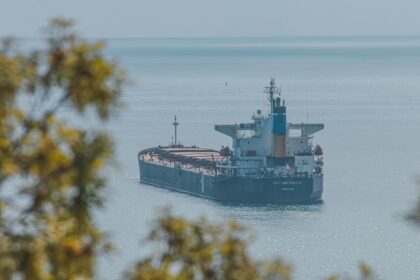
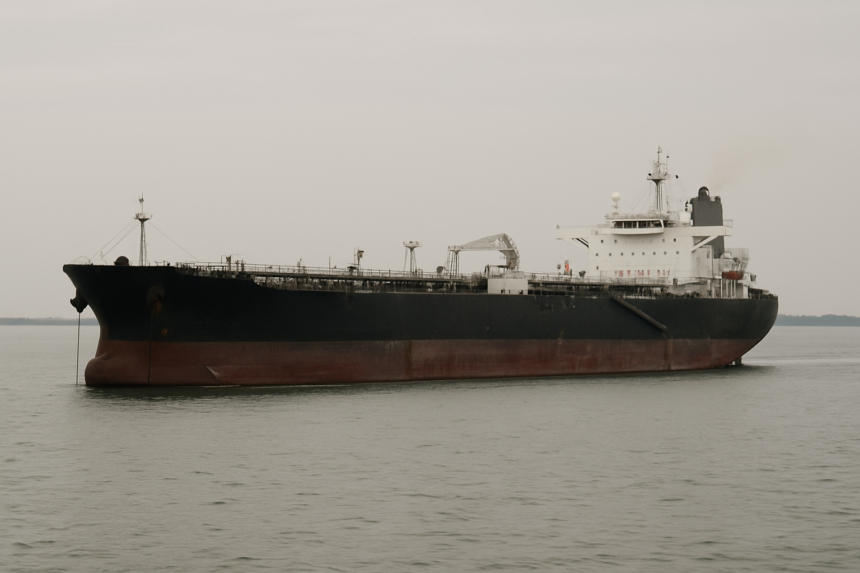
Utilizing long-range drones, Ukrainian forces executed successful strikes on more than 20 vessels associated with what is characterized as the Russian shadow fleet—a collection of tankers funneling oil and other fuels under the radar of international sanctions. These attacks are part of a strategic effort to weaken Russia’s logistical capabilities amidst ongoing conflict.


Impact on Refining Capacity
In addition to striking tankers, Ukraine has effectively rendered a significant refinery inoperative through drone strikes, further exacerbating fuel shortages in Russia. Analysts suggest that the continual targeting of both maritime and land-based fuel infrastructure will likely inhibit Russia’s ability to maintain domestic and operational needs for fuel.
Wider Implications for Regional Shipping
The consequences of intensified hostilities may have a ripple effect on international shipping routes. Operators in the region are already bracing for potential disruptions, necessitating an assessment of operational risk and potential rerouting to avoid conflict zones. With fuel availability in decline, there is an increasing urgency for fleet operators to reassess their supply chains and logistical frameworks in light of these developments.
Behind the Headline
The current operational environment showcases a clear escalation in Ukraine’s tactical focus on crippling Russian fuel supply lines. For shipping companies, this means heightened risks in the Black Sea area and adjacent waters, potentially requiring adjustments in fuel sourcing and navigation strategies. The impact on global oil markets could be significant, particularly if supply chains become further obstructed. Observers should watch for both military developments and their implications on regional shipping operations, including potential shifts in trade routes and increased vessel insurance premiums.