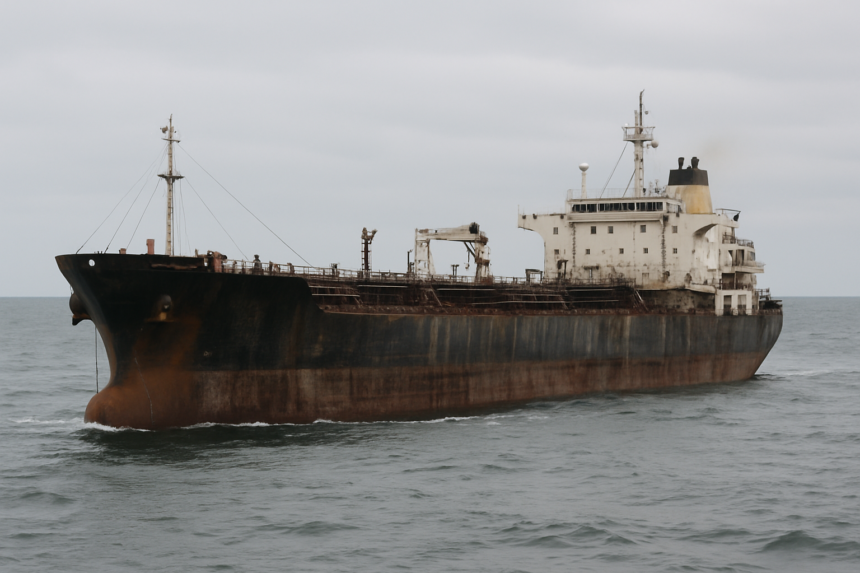
Dirty tanker operations for VLCCs (Very Large Crude Carriers) and Suezmaxes west of Suez are currently characterized by a dynamic and competitive market. Key factors influencing activity include cargo availability and booking timing, both of which create a rapidly shifting sentiment among shipping operators.
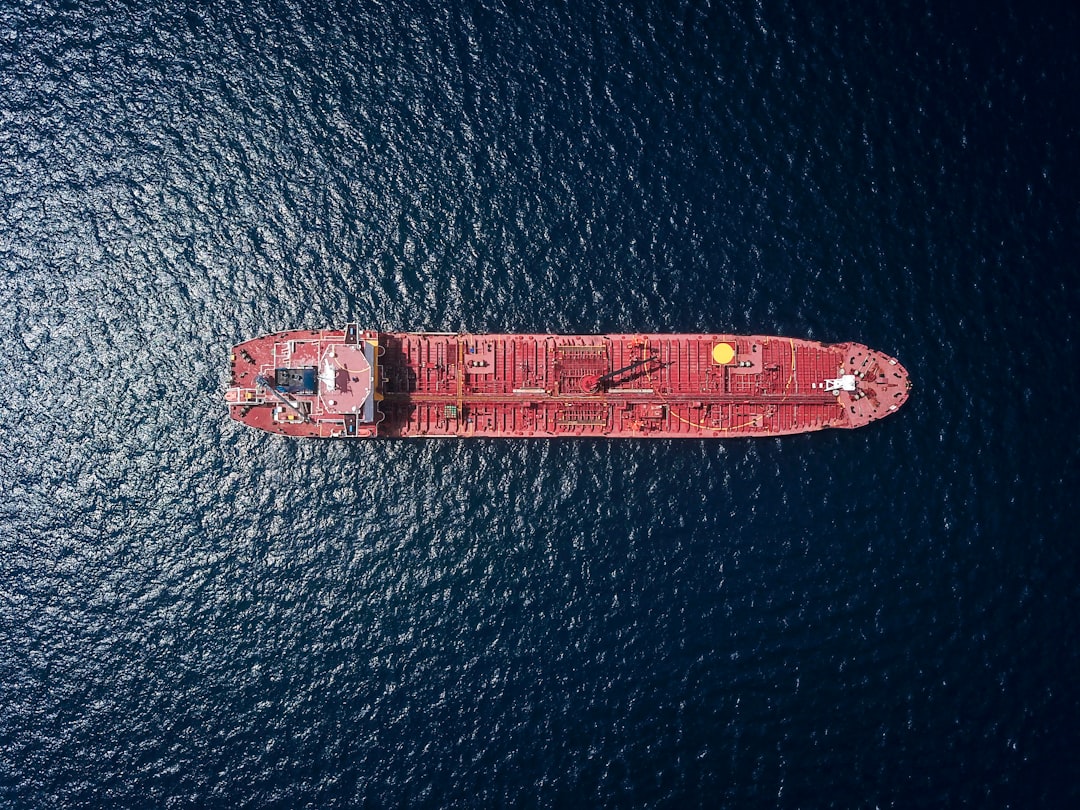
Market Dynamics
The prevailing tone for VLCC rates has showcased a recurring two-step dynamic, primarily in the WAF-East and WAF-UKC (West Africa to East and UK Continent) routes. Initial owner resistance has been noted as Brazilian and West African inquiries bolstered confidence. However, that optimism wanes as fresh requirements weaken, leading to longer ballasting periods and ultimately influencing forward markets.
For Suezmaxes, market behavior has been increasingly tied to coverage and the pace of cargo conversion within the Mediterranean and Black Sea regions. While CPC stability has played a role in containing downturns, periodic softness has emerged in the Atlantic markets, which weighs on overall sentiment. By late June, attention shifted towards forward-month fixing, particularly as under-fixed cargo counts may tighten prompt availability, urging charterers to present firmer bids.


Cargo Conversion and Pricing Pressure
The ability to convert forward gaps into repeat fixtures is critical for the dirty market’s sustained strength in Q3. Without this conversion, the value of workable tonnage will remain under scrutiny as operators assess their positions amid ongoing fluctuations. Current discussions within the market indicate that VLCCs have shown signs of vulnerability due to insufficient cargoes, leaving prompt tightness reliant on timely conversions prior to ballaster influx exacerbating the forward outlook.
Operational risks in the Mediterranean and Black Sea regions also require attention, especially in light of increased security concerns following Ukrainian drone attacks on oil infrastructure. Such risks can exacerbate delivery timelines and increase the sensitivity of waiting times for Suezmaxes, where the interplay of workable tonnage and punctual timing remains pivotal to converting cargo availability into viable business.
Outlook for Operators
This environment necessitates a careful assessment of market indicators as operators navigate the evolving landscape of VLCC and Suezmax activities. The reductions in price risks perceived from easing Brent crude values towards three-month lows, paired with improved expectations around US-Iran negotiations, may influence operator strategies as they aim to maximize their positioning in this volatile climate.
Behind the Headline
The dirty tanker sector is currently at a crossroads, where the interplay of prompt cargo availability, market sentiment, and operational risks is critical for setting future rates. While opportunities may exist for immediate gains, the high level of dependency on timely cargo conversion means that operators must remain agile and informed about the forward market dynamics. Upcoming weeks will be pivotal as shipping stakeholders closely monitor the balance between supply pressures and demand needs, which will ultimately dictate the trajectory of VLCC and Suezmax rates moving forward.