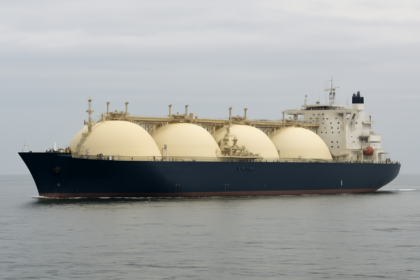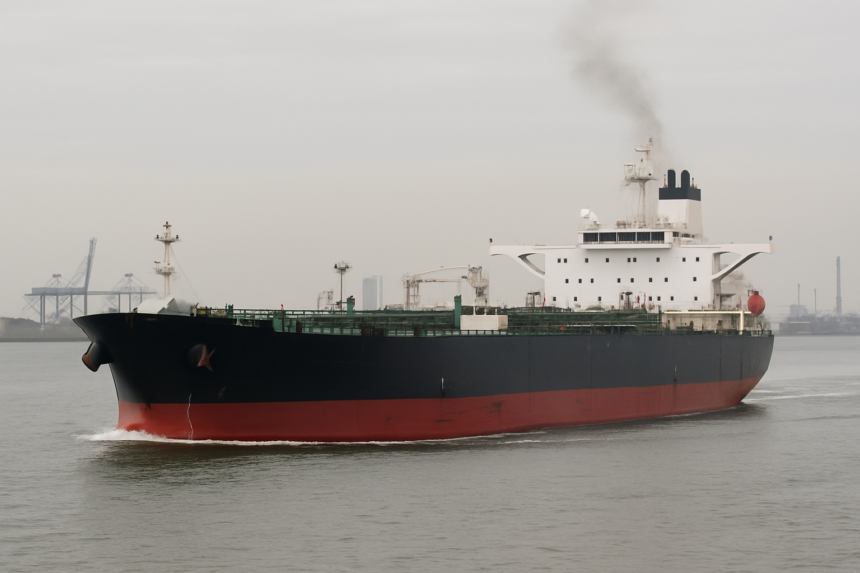
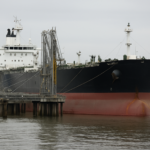
On Monday, ten vessels linked to Japanese companies exited the Strait of Hormuz, where they had been stranded for months amidst heightened geopolitical tensions and related maritime disruptions. The group comprises six very large crude carriers (VLCCs) bearing a combined total of 12 million barrels of Middle Eastern crude oil, alongside two chemical tankers, a vehicle carrier, and a container ship. This operational movement has been confirmed through shipping data from LSEG.
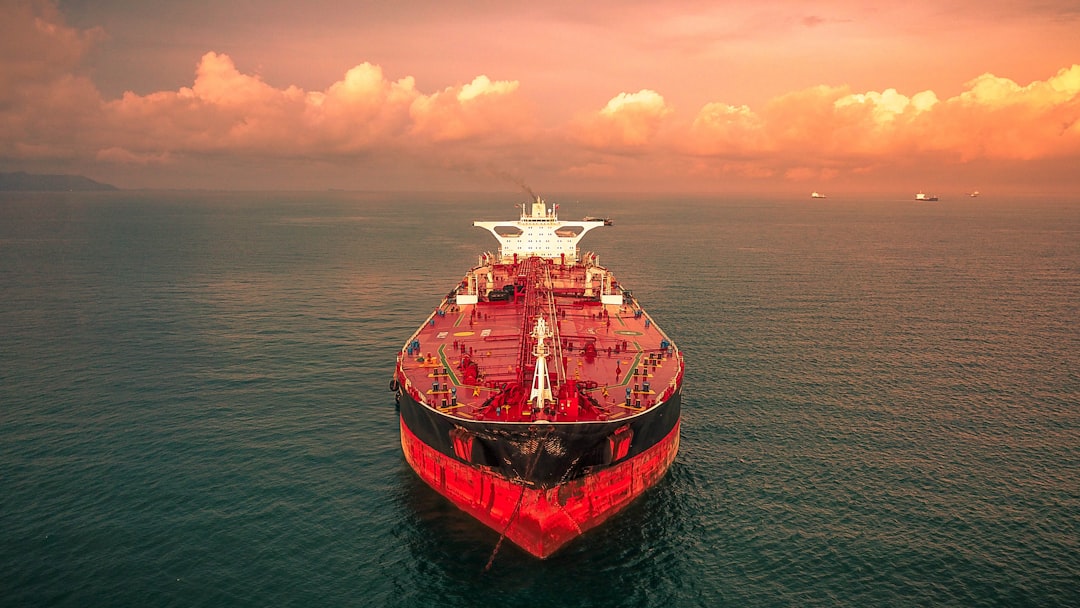
Details of the Departing Vessels
The VLCCs primarily loaded crudes from Saudi Arabia, the United Arab Emirates, and Qatar between late February and early March. These shipments were notably impacted by the onset of a joint U.S.-Israeli military campaign against Iran earlier this year, which led to a substantial decline in maritime activity through this essential transit route.
In conjunction with this development, a supertanker transporting 2 million barrels of Saudi crude to South Korea navigated out of the strait over the weekend. This vessel is forecasted to arrive at Onsan, South Korea, on July 26, further contributing to the spectacle of recovering oil flows from the region.

Geopolitical Context and Market Implications
The resumption of oil transport through the Strait of Hormuz may indicate a potential stabilization of the regional oil market following the recent turmoil. Prior to the recent military actions, approximately a fifth of the world’s oil passed through this vital chokepoint, underscoring its strategic importance for global supply chains. Following the previous escalation of conflict, crude oil prices had climbed above $110 a barrel but have since moderated to about $70 per barrel. This decline has alleviated concerns regarding inflation and the prospect of aggressive interest rate increases by central banks.
However, despite an interim peace agreement between Washington and Tehran reached last month, fundamental tensions persist. Iran continues to assert its right to control parts of the strait, a position the U.S. has consistently contested. Furthermore, discussions over critical issues such as Iran’s nuclear program and ongoing confrontations in Lebanon involving Iran-aligned Hezbollah forces remain unresolved.
The Operational Read
The departure of these vessels from the Strait of Hormuz is a significant barometer for both market operators and geopolitical analysts. The ongoing restoration of shipping operations suggests that the risks associated with the strait may be diminishing, although navigating these waters remains fraught with complexities. Operators should closely monitor developments surrounding U.S.-Iran negotiations, as any shifts could directly impact voyage planning, insurance rates, and cargo pricing. Stakeholders must remain vigilant to the possibility of renewed hostilities, which could again disrupt shipping lanes critical for oil and other commodities.