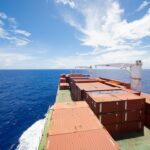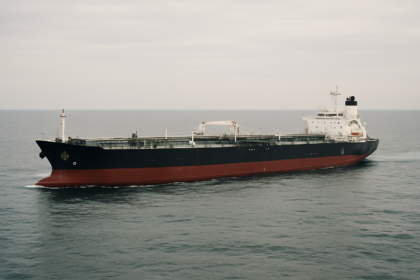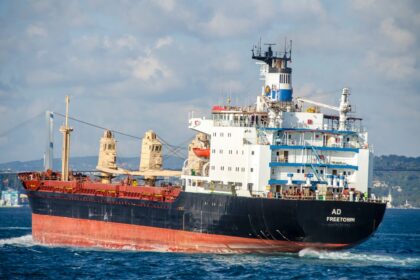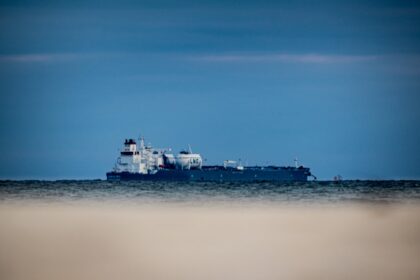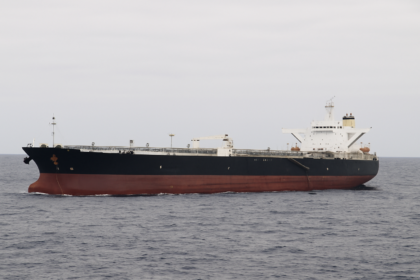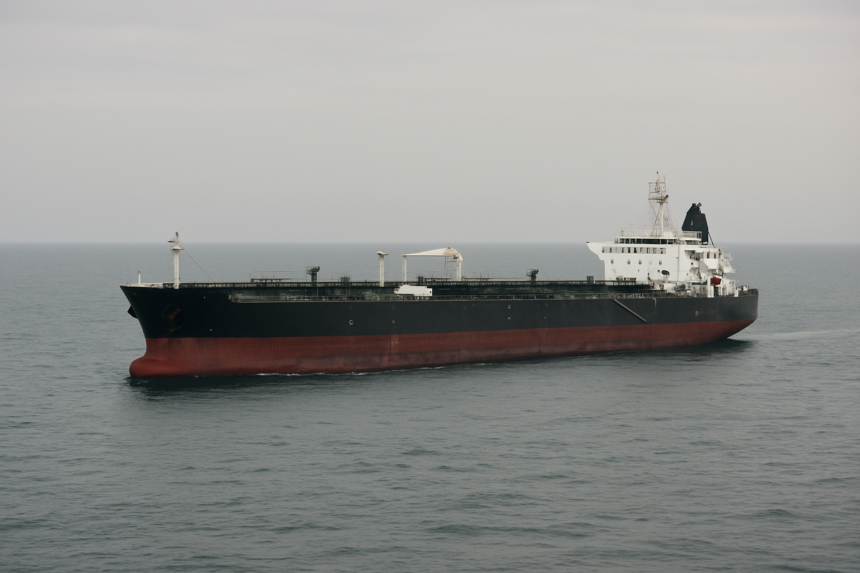
As geopolitical tensions in the Strait of Hormuz persist, approximately 8,000 seafarers find themselves stranded in the Persian Gulf, a situation that underscores the impact of conflict on global maritime operations. This predicament highlights the essential yet vulnerable nature of maritime labor in international trade.
The Human Cost of Geopolitical Tensions
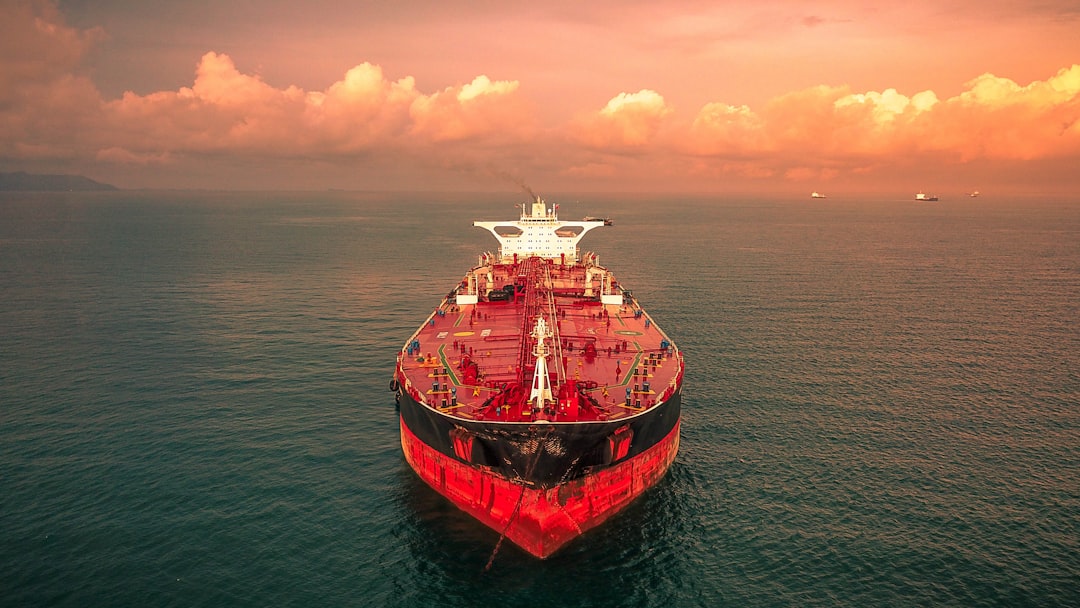
Among those affected is Captain Abhijit Chopra, who leads a crude oil tanker with a crew of 22. The crew has endured more than 120 days at anchor, with their mental resilience tested as they cope with uncertainty. The crew, which includes predominantly Indian seafarers along with one Ukrainian, has managed to foster camaraderie through shared meals and recreational activities like karaoke.
The situation escalated after an initial phase of optimism surrounding a potential peace deal was quickly dashed by reports of new military engagements in the area. Although there were signals that the Strait of Hormuz might reopen, persistent threats from missile and drone attacks kept vessels in a state of limbo.

Global Shipping’s Reliance on Seafarers
The role of seafarers is critical, as they are responsible for transporting about 80% of global goods by volume, equivalent to around 70% of total trade value, according to the World Bank. As of now, nearly 2.6 million mariners operate among over 85,000 merchant vessels worldwide, with the majority hailing from lower-income nations, particularly from the Philippines and India. The seafaring workforce faces dire conditions, especially on smaller, less regulated vessels where labor rights under the Maritime Labour Convention may not be consistently upheld.
Industry analysts and organizations emphasized the precarious balance that affects these sailors, highlighting that while some large shipping companies adhere to labor regulations, compliance lapses are common among smaller operators. This lack of oversight raises concerns about the welfare of seafarers and the ability of shipping companies to ensure safe working conditions during such turbulent periods.
The Operational Read
The ongoing crisis in the Persian Gulf serves as a critical reminder of the operational challenges faced by maritime operators during geopolitical instability. For those involved in the industry, maintaining ship readiness and navigating through conflicting waters without robust security measures becomes paramount. Attention must be paid to diplomatic efforts to establish safe corridors for trapped vessels and crews. Additionally, monitoring compliance with labor rights for seafarers is essential to ensure that the operational integrity of the shipping industry is upheld, which in turn supports global supply chains that millions depend on daily.