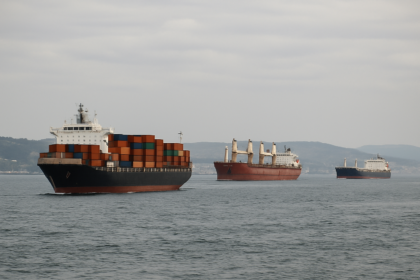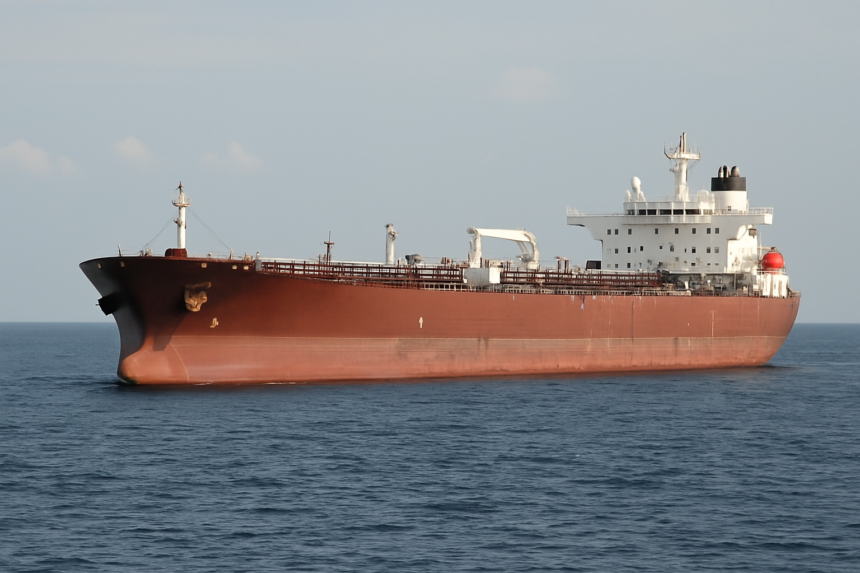
Iran has initiated discussions with Japanese companies under a U.S. sanctions waiver, with hopes of resuming oil sales to Japan for the first time since 2019. Three potential buyers are reportedly examining crude oil purchases, though their interest is contingent upon a longer waiver and assurances regarding maritime safety.
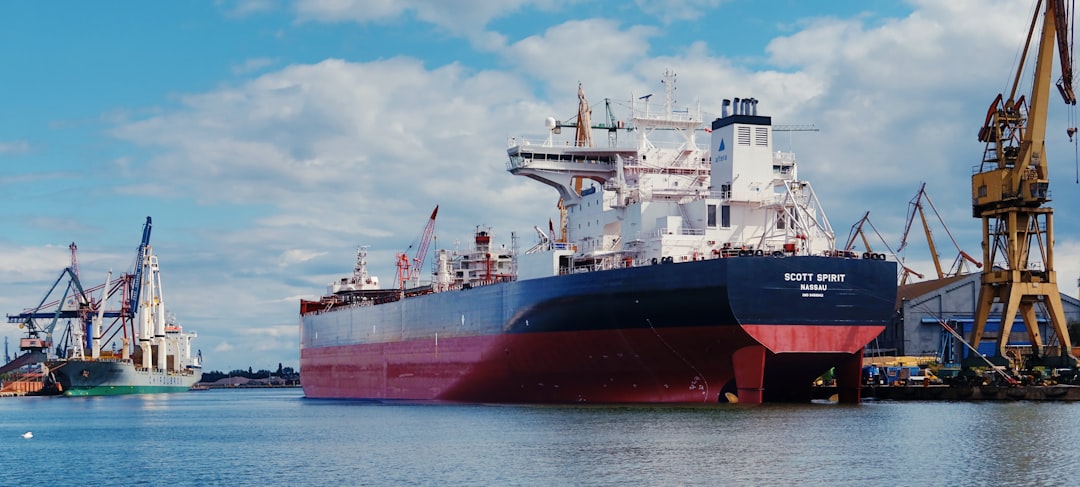
Background and Waiver Details
Issued on June 22, the current waiver allows for a 60-day period of peace talks between Tehran and Washington, set to expire on August 21. Japanese officials are actively communicating with their Iranian counterparts to explore the feasibility of these purchases. However, officials from Japan’s Ministry of Economy, Trade and Industry (METI) have expressed uncertainty regarding the progression of any such agreements, particularly due to the complexities associated with shipping timelines and contractual obligations.
Maritime Safety Concerns
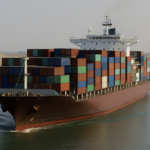
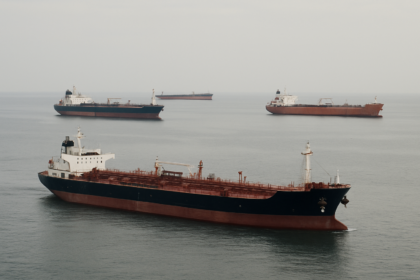
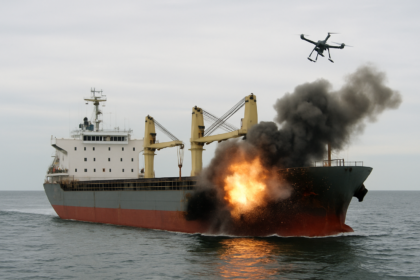
The ongoing tensions in the Strait of Hormuz pose significant risks to shipping operations. Last week, a container ship was reportedly attacked by Iranian forces, prompting renewed scrutiny over the security of transits in this critical chokepoint. According to a senior Iranian oil ministry official, any prospective deal would necessitate ensuring safety throughout the tanker voyage, likely requiring the use of Japanese-operated vessels for cargo loading at Iran’s Kharg Island. Additionally, ensuring adequate insurance for these maritime transactions remains a notable challenge, as highlighted by a senior executive from a major Japanese oil refiner.


Market Dynamics
Since the tightening of U.S. sanctions after President Trump’s withdrawal from the nuclear agreement in 2018, many Asian buyers, including Japan, South Korea, and India, have halted imports of Iranian oil. As a result, China has emerged as Iran’s principal customer. Analysts suggest that despite the current sanctions waiver, the potential for renewed orders from well-stocked Asian refineries is limited, with Chinese independent refineries positioned as the primary buyers of Iranian oil under the current geopolitical landscape.
The Operational Read
The operational reality for Japanese companies contemplating oil imports from Iran revolves around a multitude of factors, primarily focused on the assurance of safe passages and reliability of maritime routes. The threat posed by floating mines and geopolitical disputes serves as a significant deterrent. Additionally, prospective operators must evaluate their risk management strategies concerning insurance procurement amid rising war-risk premiums. Given the strategic importance of the Strait of Hormuz and prevailing uncertainties, the maritime and oil markets should closely monitor developments regarding U.S. sanctions and shipping safety assurances as negotiations continue between Tehran and Tokyo.