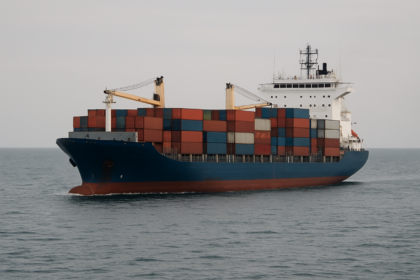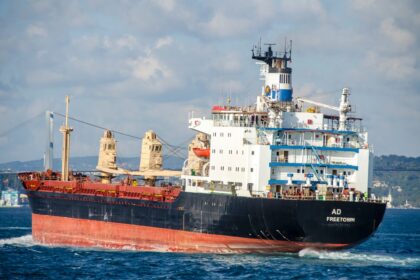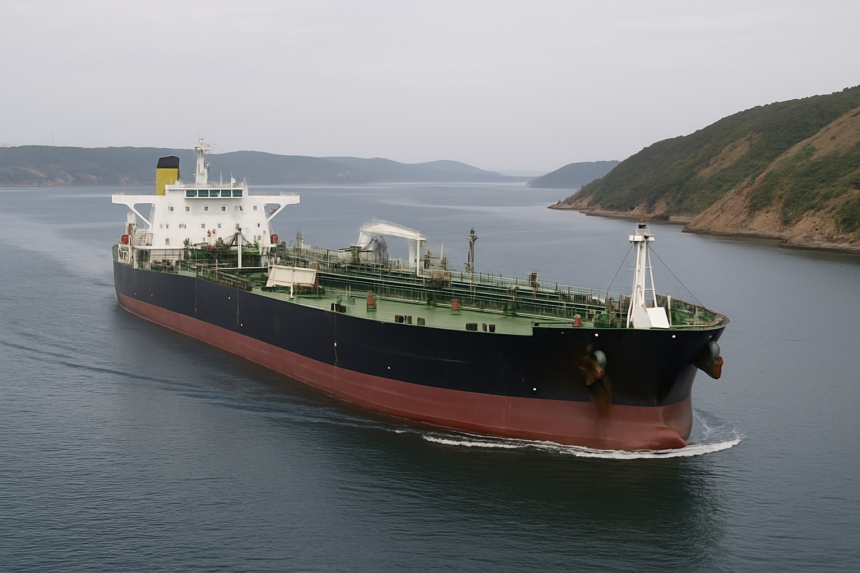
The volume of oil flowing through the Strait of Hormuz has surged to over 10 million barrels per day, according to a U.S. official. This substantial increase is attributed to enhanced military support from the United States, which has bolstered confidence among commercial shippers navigating the strategic waterway. The uptick follows an interim peace agreement facilitated by President Donald Trump, which aims to stabilize oil flows that had previously been crippled by conflict in the region.
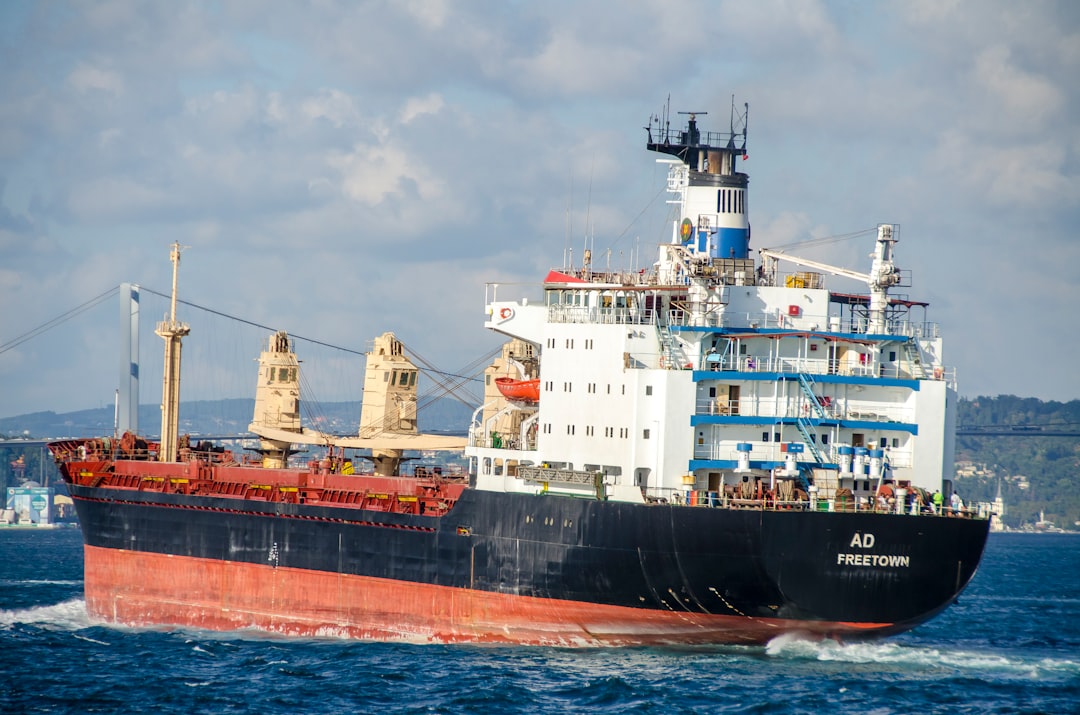
The latest developments have left Tehran at a disadvantage, indicating a significant reduction in its ability to exert control over maritime traffic. Historically, the Islamic Republic has exercised leverage in the strait, at times restricting shipping to negotiate political concessions. Nonetheless, the recent spike in oil shipments suggests that its power to disrupt traffic through this corridor is now more limited than previously perceived, exacerbating tensions with U.S. officials.
The Current Situation
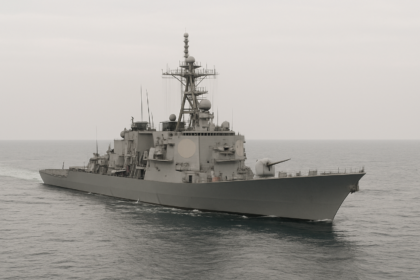
Despite Iran’s insistence on retaining some control over the region’s shipping routes, reports indicate that the regime is facing challenges in monitoring maritime activities, particularly in the southern transit corridor near Oman. This incapacity has led to a delayed acknowledgment of the substantial oil flows returning to the strait, with the U.S. strategically positioned to mitigate threats. Officials have highlighted the role of enhanced military defenses from U.S. Central Command, which now includes naval and air support aimed at ensuring the security of commercial operations.

Indirect negotiations between U.S. and Iranian representatives have been ongoing in Qatar, where the status of Iran’s nuclear capabilities and maritime control is under discussion. According to the memorandum of understanding, a toll-free transit is expected during the initial negotiating period, although unresolved issues remain beyond this timeframe. Both President Trump and Secretary of State Marco Rubio have publicly stated that any final arrangements involving tolls would be unacceptable, potentially setting the stage for protracted discussions.
Rising Tensions and Market Implications
While shipping flows in Hormuz are reinstating a status quo prior to the outbreak of war, the volatile environment is underscored by Iran’s recent actions, including a drone attack on a Singapore-flagged vessel. This incident has sparked retaliation and heightened tensions, threatening the delicate truce that currently exists. Observers note that Iran’s decision-making may be influenced by the need for economic stability, particularly under the shadow of international pressures from the U.S. and its allies.
Should Iran choose to extend negotiations without making significant concessions, analysts suggest that it risks undermining the legitimacy of any agreements reached. The operational reality of oil shipping through the Strait of Hormuz remains precarious, with geopolitical dynamics playing a critical role in determining future market conditions.
The Operational Read
The resurgence of oil flow through the Strait of Hormuz presents a complex operational landscape for shipping companies and stakeholders. The enhanced military presence by the U.S. has not only bolstered navigation safety but also shifted the balance of control away from Iran. For operators, the immediate concern remains the assurance of uninterrupted routes, particularly amidst evolving political negotiations. Market participants should closely monitor the outcomes of discussions in Qatar, as any decisive shift in Iran’s strategy could significantly impact shipping operations and lay the groundwork for future maritime stability in the region.