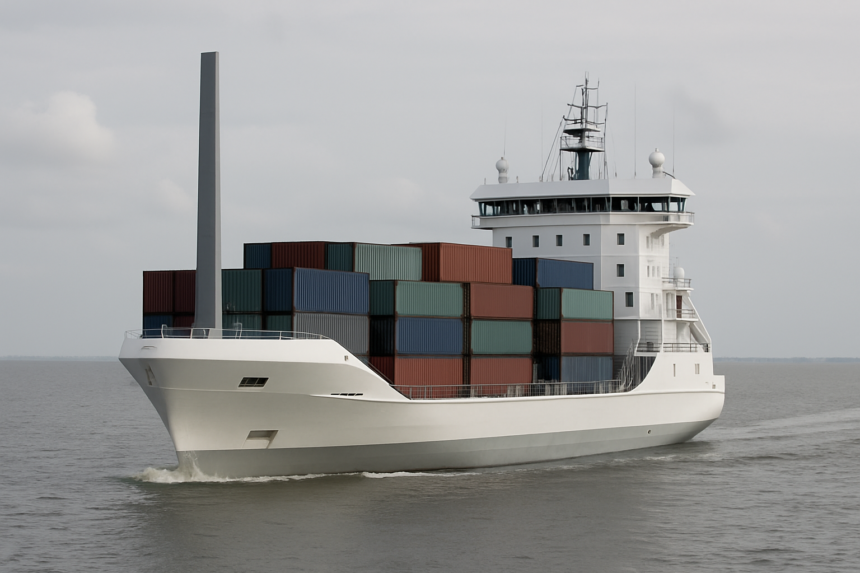
China has officially inaugurated its first zero-carbon sea-river intermodal shipping route with the launch of the Ningyuan Dianpeng, a 10,000-ton-class pure electric containership. The vessel departed this week from Jiaxing port in Zhejiang province, en route to Ningbo-Zhoushan port, highlighting a significant advancement in the country’s electrical shipping capabilities.
The Vessel Specifications
The Ningyuan Dianpeng, measuring 127.8 meters in length, is engineered to carry 742 TEU. It represents not only a technological leap towards zero emissions, but also showcases China’s capacity to integrate electric vessels into its expanding maritime fleet. This development is part of a larger strategy to foster sustainability within the shipping industry and reduce reliance on fossil fuels.
Significance of the Route
The newly established route serves to enhance intermodal connectivity between waterways and major shipping ports, promoting the efficiency of goods transport while significantly lowering the carbon footprint. As international pressure mounts to curb emissions, this initiative underscores the importance of sustainable practices in maritime logistics.

The Operational Read
The launch of the Ningyuan Dianpeng and the subsequent sea-river route exemplifies a vital shift in maritime logistics, focusing on the integration of electric vessels within existing supply chains. Operators should closely monitor how this route influences shipping efficiency and emissions reduction targets. Additionally, as more jurisdictions implement environmental regulations, the adoption of similar electric shipping solutions could become a competitive advantage. The development of a well-structured electric vessel network may also encourage further investment in infrastructure to support zero-carbon logistics, setting a benchmark for other nations striving towards sustainability.