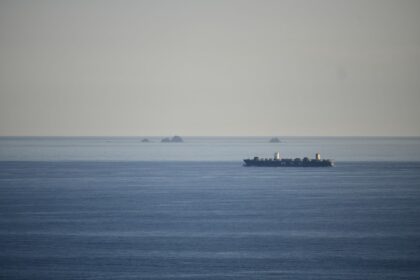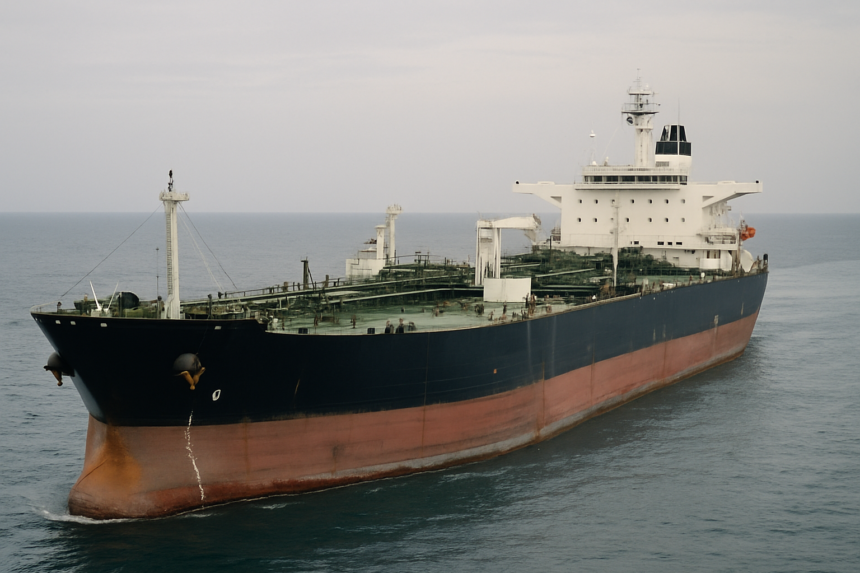
The U.S. military has escalated its military engagement in the region by striking Iranian military targets following an attack on a Panama-flagged tanker in the Strait of Hormuz on Saturday. The incident marks a significant heightening of tensions between the U.S. and Iran, coming just two weeks after the signing of an interim peace agreement aimed at reducing hostilities.
The Incident
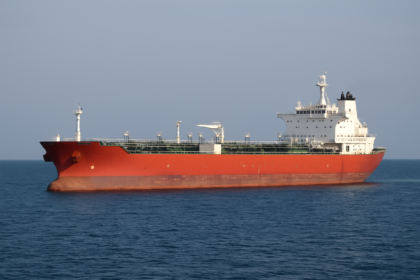
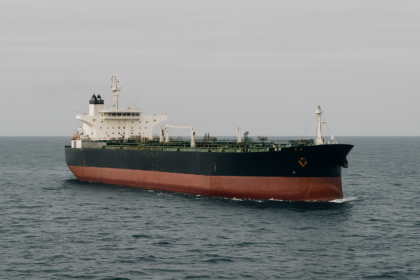
According to U.S. Central Command, the attack on the M/T Kiku, which was struck by an Iranian drone early Saturday, prompted immediate military action. Consequently, U.S. Navy and Air Force fighter jets targeted ten military facilities across multiple locations linked to Iran’s military capabilities in the strait. A statement from the U.S. Central Command indicated that these strikes were a direct response to continued Iranian aggression against commercial shipping. Iran’s state broadcaster confirmed explosions were reported in Sirik, a region of southern Iran, in connection with the U.S. strikes.
Market Impact
The recent attacks have resulted in rising concerns among shipping operators. The Joint Maritime Information Center raised its security threat level in wake of these incidents, as Iran has displayed an increasing willingness to assert control over this critical maritime route. Following the damage sustained by the M/T Kiku, the UK Maritime Trade Operations agency reported that all crew members were safe despite the assessment of damage indicating a serious threat to the vessel’s integrity. Iran’s Revolutionary Guards also claimed responsibility for warning shots aimed at unauthorized vessels, urging compliance with their regulations. This development is likely to affect the operational decisions of shipping lines traversing the strait.

Operator Response
In light of the escalating military actions, shipping operators may need to identify alternative routing strategies to mitigate risk. There is a growing trend among commercial operators to reassess engagements in the Strait of Hormuz and explore either increased security measures or even potential rerouting, which could involve longer transit times around the Cape of Good Hope. The geopolitical landscape is prompting significant reevaluation of existing operational protocols among operators and charterers within the region.
The Operational Read
The ongoing conflict highlights the fragile security situation in the Strait of Hormuz, which serves as a critical choke point for global oil and gas shipments. For operators, the increasing frequency of military actions not only raises war-risk premiums but also complicates charter party negotiations. Daily operational choices will now heavily depend on real-time intelligence regarding vessel safety and security protocols. Monitoring developments between U.S. and Iranian forces will be crucial for anticipating impacts on shipping schedules and ensuring compliance with international maritime laws as tensions evolve.