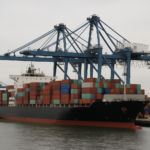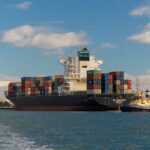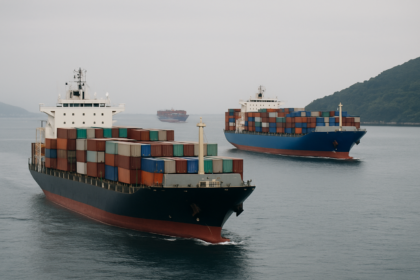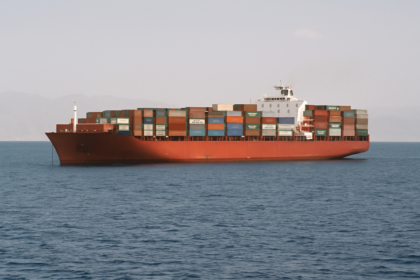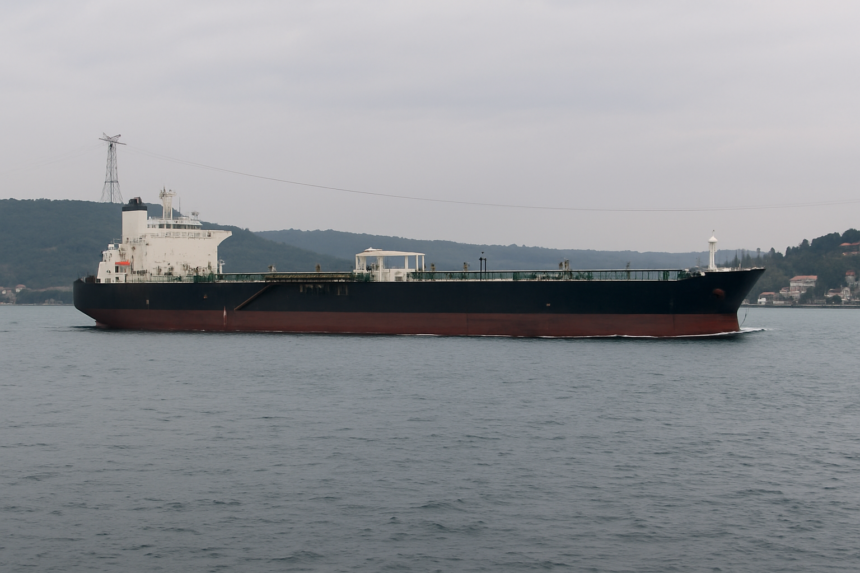
The Strait of Hormuz has reopened following the signing of a memorandum of understanding (MoU) between the U.S. and Iran on June 17. The subsequent day, June 18, witnessed a significant increase in maritime activity, with 18 commercial transits reported, the highest count since the onset of the conflict.
The Incident
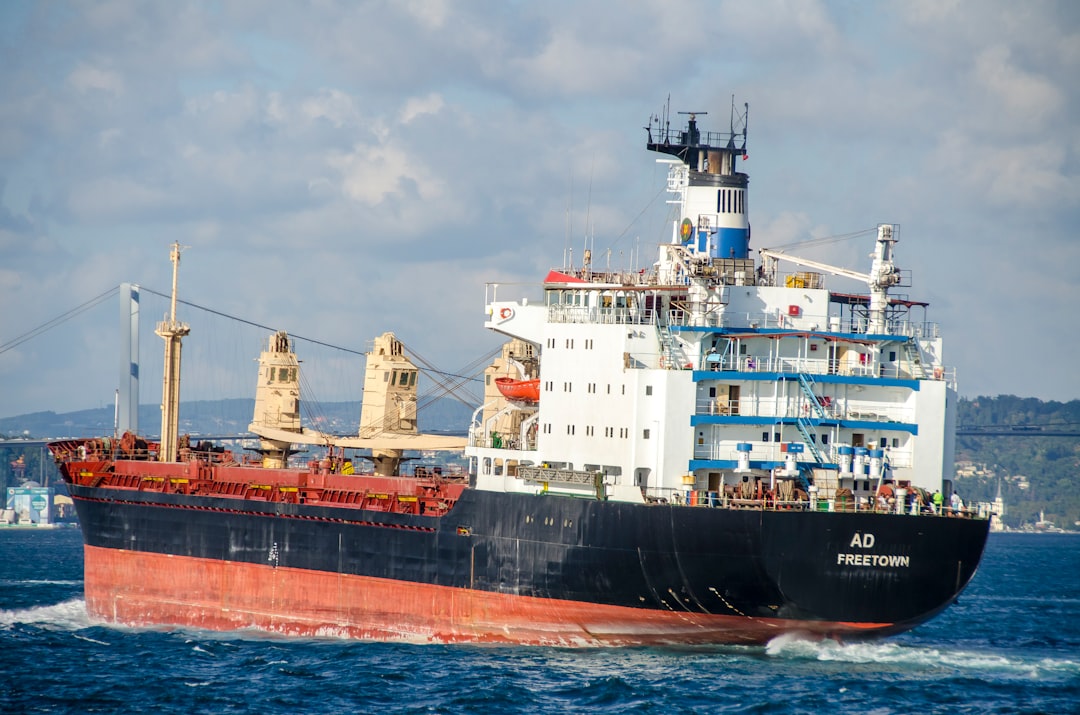
The reopening marks a crucial development for maritime commerce, particularly for oil exports. A notable pattern emerged, with a predominant presence of Chinese-affiliated ships among the first movers. Of the seven documented vessels navigating the Strait, five were linked to Chinese operators, indicating a strategic pivot towards Beijing’s involvement in the region’s trade routes. Additional early departures included European and Saudi tonnage, enhancing the international dimension of the reopening.
Market Impact
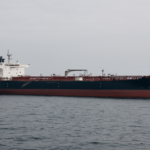
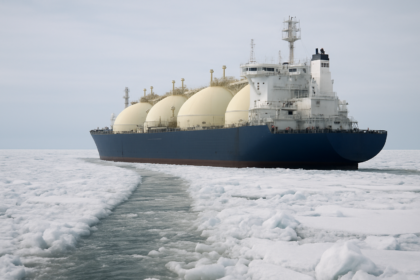
In the immediate aftermath of the MoU, three Saudi-flagged supertankers successfully transited the Strait, carrying approximately six million barrels of crude oil. This movement indicates not only a resumption of oil flow through this critical chokepoint but also points to a broader reconstitution of Iran’s oil export network. National Iranian Tanker Company (NITC) vessels, which had been idled for months, resumed operations from Chabahar on June 16, suggesting Iran’s strategic repositioning in the global market.

Operator Response
The lead-up to the MoU saw a calibrated increase in commercial activity, reflecting cautious optimism among maritime operators. Prior to the agreement, 14 transits were recorded on June 15, marking the highest count of the month. This surge, however, was defined by careful positioning rather than full normalization, with many vessels awaiting clearance by anchoring near the Strait and maintaining stealth by switching off their Automatic Identification Systems (AIS).
The Operational Read
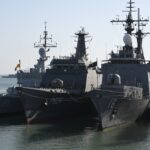
The reopening of the Strait of Hormuz introduces a complex operational landscape that requires close monitoring by shipping companies and stakeholders. The simultaneous movement of legitimate commercial traffic alongside sanctioned vessels poses unique challenges regarding risk assessment and maritime security. Operators must remain vigilant, understanding that while the MoU reflects a step towards de-escalation, the presence of unresolved military activity—evident from observations of Iranian Revolutionary Guard Corps (IRGC) vessels—complicates the navigation dynamics. Going forward, it is critical for operators to assess the evolving risk profiles, particularly with regard to potential military interactions, while recalibrating shipping routes and oil supply chains in response to this pivotal event.