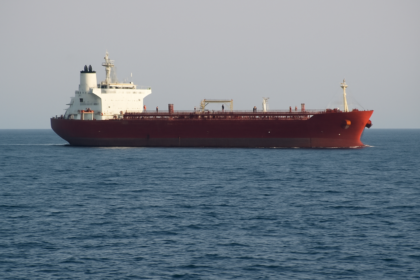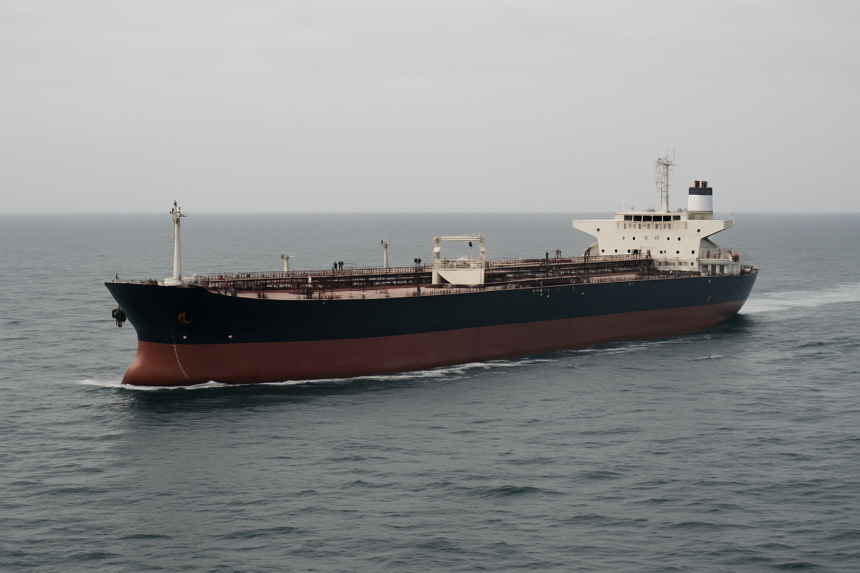
Iran’s recent announcement of the closure of the Strait of Hormuz marks a significant escalation of tensions in the region, attributed to ongoing hostilities with Israel. The Iranian military stated this measure is in response to what it perceives as a violation of a ceasefire agreement. This development coincides with efforts to re-establish peace negotiations with the United States, which were delayed due to intensified conflict in Lebanon involving Iranian-backed Hezbollah militants.

The Closure Announcement
According to reports from Iran’s joint military command and the semi-official Tasnim news agency, the closure of the strait is framed as the first step in retaliation for Israel’s military actions. Earlier, Iran communicated to maritime operators that no vessels would be allowed through Hormuz unless granted permission by its authorities, further highlighting the potential for increased maritime disruption in this vital shipping lane.
Impact on Maritime Operations
Despite the declaration of closure, maritime activity has shown resilience. Shipping companies have already adapted by utilizing alternate routes, particularly a southern passage near Oman. Historically, this route has allowed vessels to evade restrictions while continuing the transit of substantial oil shipments, albeit under the cover of night and with switched-off satellite signals for added safety.

Reports indicate that some vessels have successfully navigated Hormuz through both the coastal routes over recent weeks, even prior to the latest tensions. The recent closure announcement, however, may serve to deter more cautious operators who have had vessels stranded in the region. The economic implications are significant, as the Strait of Hormuz remains a crucial chokepoint for global oil supplies, accounting for a major share of the world’s energy exports.
The Geopolitical Context
The ongoing negotiations in Switzerland represent a critical juncture in U.S.-Iran relations. The Iranian delegation’s delayed arrival due to the situation in Lebanon underscores the complexities of securing a diplomatic resolution amidst military conflicts. Vice President JD Vance’s optimistic remarks regarding the possibility of maintaining the ceasefire reflect the broader geopolitical stakes involved. However, without a clear path towards peace, military and economic responses remain closely monitored by global markets.
The Operational Read
The closure of the Strait of Hormuz has immediate implications for maritime operations in this key transport corridor. Operators must navigate heightened risks and potential delays due to Iranian control over vessel passage. Flexibility in routing will be crucial, as shippers reassess their strategies in light of these developments. Industry stakeholders should remain vigilant regarding military movements and diplomatic negotiations, as these will greatly influence operational planning and risk assessments in the coming days.