A recent agreement between the United States and Iran has opened pathways for the resumption of container shipping through the strategically vital Strait of Hormuz. However, experts caution that comprehensive recovery of the ocean supply chain will not materialize until at least mid-September 2026, primarily due to substantial disruptions caused by the ongoing blockade.
Current State of Container Shipping
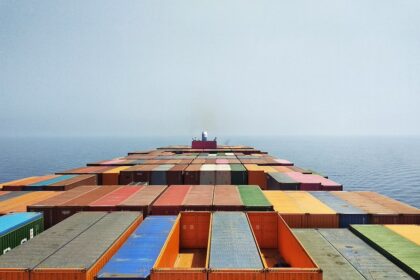
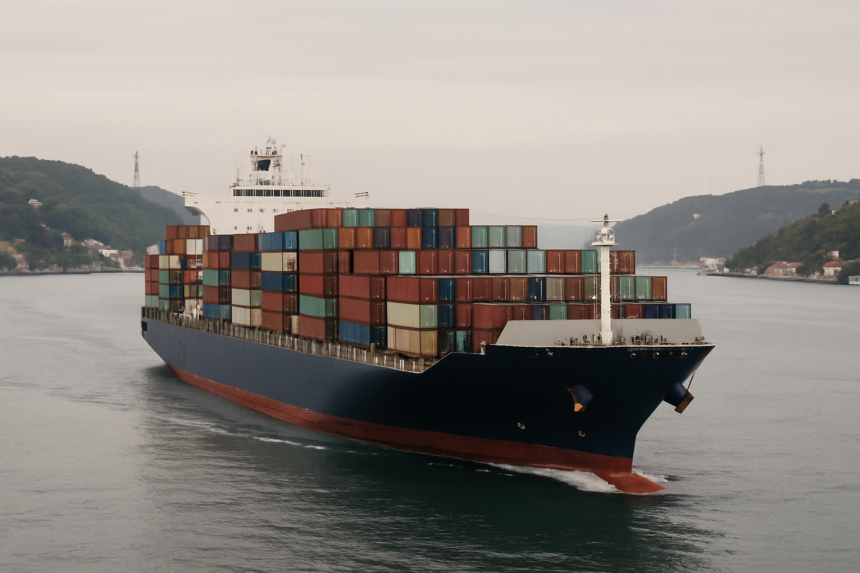
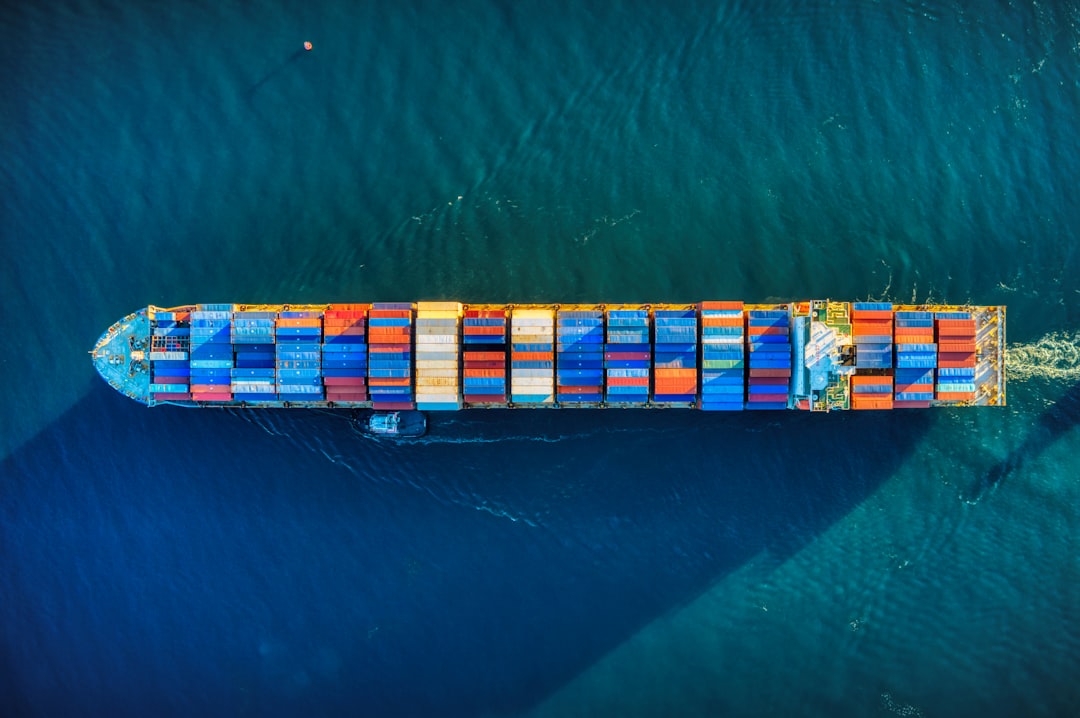
Prior to the crisis, the Arabian Gulf supported 99 container services with a collective nominal capacity of 3.2 million TEU, accounting for approximately 10% of the global container fleet. This number has plummeted to just 11 operational services due to the blockade, with active capacity now limited to 74,000 TEU, significantly impacting global shipping routes.
Before the escalation of conflict in February, 488 vessels were deployed along these trade routes, but today only 18 vessels remain active. The majority of the fleet has been redirected or displaced, showcasing the ripple effects of the situation across global maritime networks.

Market Repercussions
Recent weeks have seen freight rates surge, driven by the inadequate supply of available vessels. Reportedly, rates have increased by 29% from the Far East to the US West Coast and 25% to the US East Coast. Shipping industry analysts, such as Peter Sand from Xeneta, indicate that shippers are expediting imports in anticipation of further increases in bunker fuel surcharges in July, further exacerbating the situation.
The current Memorandum of Understanding includes stipulations addressing US naval operations and Iran’s commitment to ensure safe passage, although it allows for a 30-day timeframe for minesweeping to be completed. Experts note that full operational capacity will not resume until this critical phase is executed successfully.
Recovery Timeline
Recovery from this crisis has been grouped into three distinct phases. The immediate phase focuses on extracting vessels and crews trapped since the onset of the blockade. For instance, CMA CGM DIAMOND, with a capacity of 3,700 TEU, has been unable to exit the Gulf since its entry on February 17.
Phase one aims to restore feeder and regional services that can operate with lower risk. The gradual rebuilding of intra-regional trade will follow the commencement of these smaller service routes, allowing the reactivation of services that previously facilitated a broader network of intra-Arabian Gulf transportation.
Behind the Headline
The recent US-Iran agreement creates tentative hope for shipping operators reliant on the Strait of Hormuz. However, the existing blockade has upended ocean freight movements and contributed to soaring freight rates that could not be alleviated overnight. Operators are urged to remain vigilant, particularly regarding ongoing mining operations that will dictate the pace of recovery. Planning for potential rate peaks as services restore will be crucial, as continued market volatility remains a key concern until the situation stabilizes.