Update 20 Jun 2026, 00:34 UTC:
In a significant development regarding maritime safety, the chief engineer of the containership Dali has admitted to conduct constituting a criminal violation of the Ports and Waterways Safety Act. This admission comes as part of a deferred prosecution agreement with federal prosecutors announced on Friday by the U.S. Attorney’s Office for the District of Maryland.

Chief Engineer Karthikeyan Deenadayalan acknowledged that he was aware of serious safety issues concerning the fuel supply system aboard the Dali, along with two sister vessels, the Maersk Saltoro and Cezanne. Specifically, the vessels were operated with an unsafe fuel supply arrangement that lacked critical redundancy—a condition that could significantly impair their recovery from power loss.


The Incident
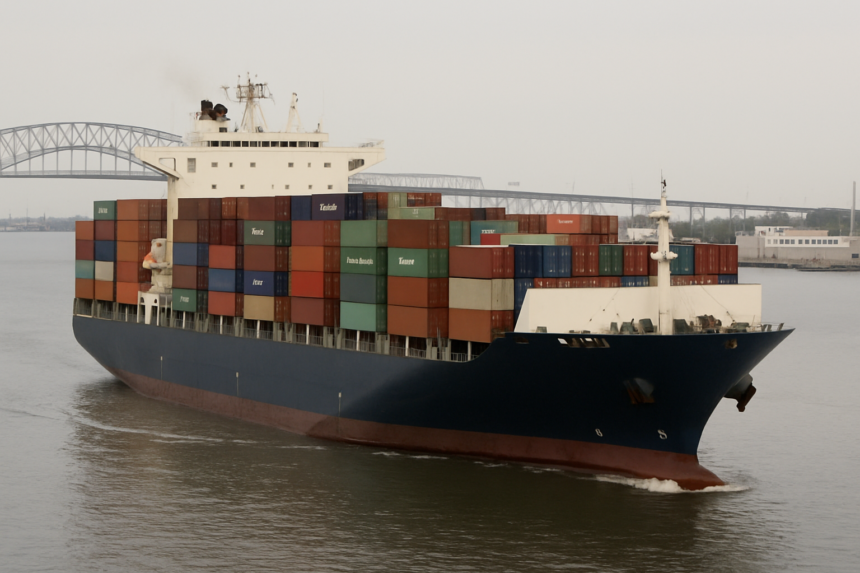
The catastrophic allision occurred on March 26, 2024, when the Dali struck the Francis Scott Key Bridge while departing Baltimore Harbor, resulting in the deaths of six construction workers and severely disrupting access to the Port of Baltimore for several weeks. Federal investigators have linked the vessel’s power outages to modifications that rendered its backup systems ineffective, undermining essential operational redundancies.
According to the statement of facts filed with the agreement, Deenadayalan admitted that a flushing pump, used in the fuel supply system, lacked the necessary automatic restart capabilities following a blackout, which is crucial for maintaining propulsion. Prosecutors indicated that the initial blackout was triggered by a loose wire in a high-voltage switchboard, exacerbated by the compromised fuel supply due to modifications to the pumping system.
Legal Implications and Continuing Investigation
As part of the deferred prosecution agreement, Deenadayalan’s compliance with the agreement’s terms will determine whether criminal charges proceed. The case forms part of a broader investigation involving Synergy Marine Pte Ltd and Synergy Maritime Pvt Ltd, alongside indicted technical superintendent Radhakrishnan Karthik Nair. Prosecutors have alleged that these parties knowingly operated the Dali with unsafe modifications, directly contributing to the sequences of blackouts that precipitated the allision.
Evidence presented in the agreements highlights that Nair directed Deenadayalan to downplay the vessel’s fuel consumption in communications to the charterer, a tactic intended to obscure the unsafe pumping method being employed. Such revelations underscore the critical nature of compliance with safety regulations in maritime operations.
Behind the Headline
The admission of criminal wrongdoing by a key operator raises urgent questions about operational safety and regulatory adherence within the shipping industry. For maritime operators, this case serves as a stark reminder of the implications of non-compliance with safety protocols, especially in terms of accountability during onboard operations. The settlement could influence how companies approach safety management systems and reporting practices moving forward, highlighting a potential shift in regulatory scrutiny and enforcement in the maritime sector.