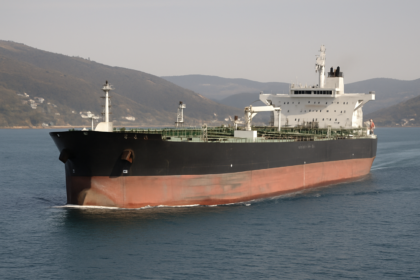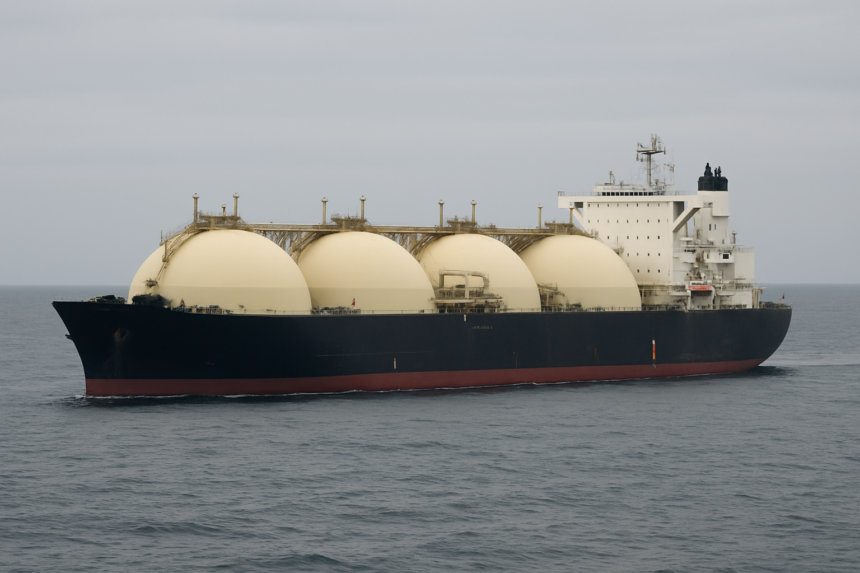
Qatar has successfully brought an empty liquefied natural gas (LNG) tanker back into the Persian Gulf through the strategically significant Strait of Hormuz for the first time since the outbreak of conflict in Iran. The vessel, named Al Hamla — owned by Qatar’s state-controlled shipping company — arrived at the Ras Laffan export facility on Thursday, as reported by ship-tracking data.
The Reopening Context
The Al Hamla had previously ceased transponder signals near western India approximately one week prior to its arrival in Qatar, a common practice among vessels navigating high-risk areas. The tanker’s return is emblematic of Qatar’s increasing readiness to resume its LNG exports, following an interim peace agreement between the United States and Iran, which facilitates the reopening of this vital waterway.
This development comes as the closure of the Strait of Hormuz, responsible for about a fifth of global LNG supply, had severely restricted access. Until recently, limited shipments had continued through the strait; however, these were often conducted by vessels that turned off transponders for safety or with prior approval from Iranian authorities.

Future Market Implications
With the return of the Al Hamla signaling a tentative normalization, reports indicate that Qatar is looking to restore the majority of its LNG export capability within two months. Achieving this goal will require securing an adequate number of vessels to transport the shipments effectively. The current landscape has seen additional empty LNG carriers linked to Qatar beginning to navigate back towards the Middle East, hinting at a larger scale resumption in operations.
As tensions ease and the flow of LNG begins to pick up again, the market will likely respond with adjustments to pricing and availability. Stakeholders will need to closely monitor vessel availability and geopolitical developments that could influence shipping routes.
The Operational Read
The re-entry of the Al Hamla into the Persian Gulf is a pivotal marker for Qatar, signaling the potential for the resumption of its LNG export network. For operators, this development underscores the necessity of navigating geopolitical risks while managing logistics around vessel mobilization and readiness. The imperative for charterers now is to assess the adequacy of their fleet in light of anticipated demand surges as trade corridors reopen. With the dynamics of global LNG supply undergoing shifts, stakeholders must remain vigilant to the evolving operational environment in Hormuz and prepare for fluctuations in transport costs and availability.