As nickel ore exports from the Philippines and the Solomon Islands experience a notable increase, recent regulatory guidance emphasizes the importance of safe shipping practices to avert potential cargo incidents. The International Group of P&I Clubs, in collaboration with INTERCARGO and Roxburgh, has issued a Circular addressing the heightened risks associated with transporting this Group A cargo.
The Surge in Nickel Ore Exports
Since 2024, investments in mining operations within these regions have surged, significantly elevating the volume of nickel ore available for export. This rise is closely linked to global demand for nickel, particularly for battery production in electric vehicles, and the development of new processing facilities in Indonesia and China. However, this increase raises concerns regarding the safe shipment of nickel ore, especially given the geological characteristics of the minerals being exported.
Geological Characteristics and Risks
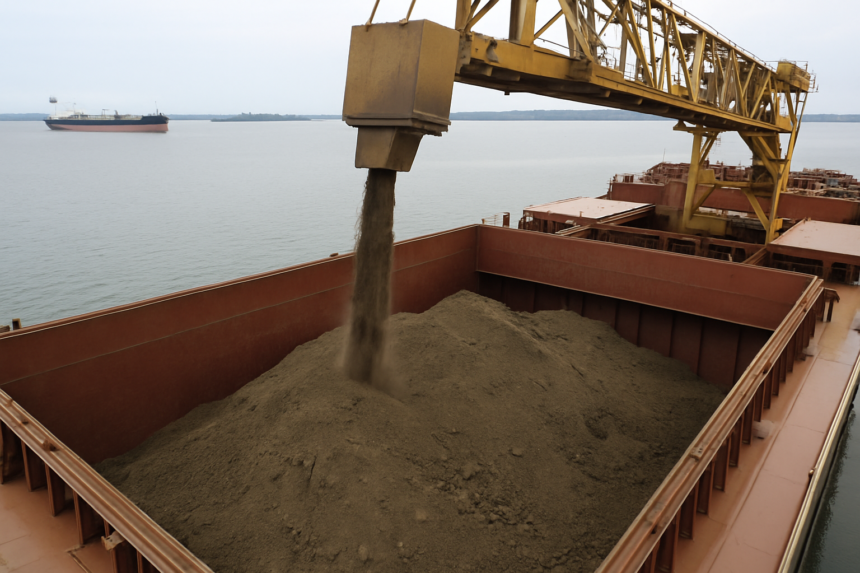
Nickel ore sourced from the Philippines and Solomon Islands primarily consists of direct-shipped ore (DSO) that undergoes minimal processing before loading. The cargo typically exhibits variability in composition and particle size, with significant proportions of fines such as soil and clay. These materials can significantly influence the cargo’s behavior during transit.

The underlying geology of these nickel ores leads to cohesive and low-drainage characteristics that can retain moisture. Consequently, even seemingly dry cargoes can pose significant risks under the stress of ship motions. When subjected to cyclic stress, the cohesiveness of the fines generates interparticle forces that retain water, which may lead to a loss of strength known as liquefaction, resulting in cargo shifting and stow instability.
Regulatory Framework and Recommendations
According to the International Maritime Solid Bulk Cargoes (IMSBC) Code, nickel ore is classified as a Group A hazardous cargo. This classification necessitates stringent compliance with loading protocols. Shippers are required to provide the ship’s Master with a signed certificate confirming the transportable moisture limit (TML) and moisture content, each issued by a recognized authority at the loading port.
Furthermore, shippers must implement robust procedures for sampling and testing moisture content, ensuring that it remains below the TML when loaded. If vessels are loaded from barges, additional documentation is required to validate the safety of the cargo being transferred. The risks associated with inadequate compliance highlight the need for operators to adopt comprehensive measures to enhance cargo handling practices.
Why It Matters
This regulatory guidance is critical as the maritime industry witnesses escalating nickel ore shipments linked to the booming battery production sector. Operators must remain vigilant regarding the inherent risks associated with this Group A cargo. Liquefaction incidents have previously led to significant losses, emphasizing the need for stringent adherence to safety protocols. As demand for nickel continues to rise, industry stakeholders must prioritize the implementation of improved loading practices and ensure compliance with regulatory standards to mitigate risks and ensure the integrity of shipments.