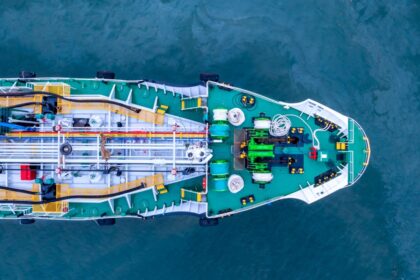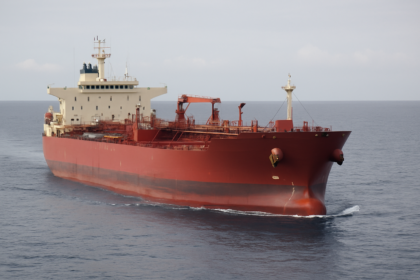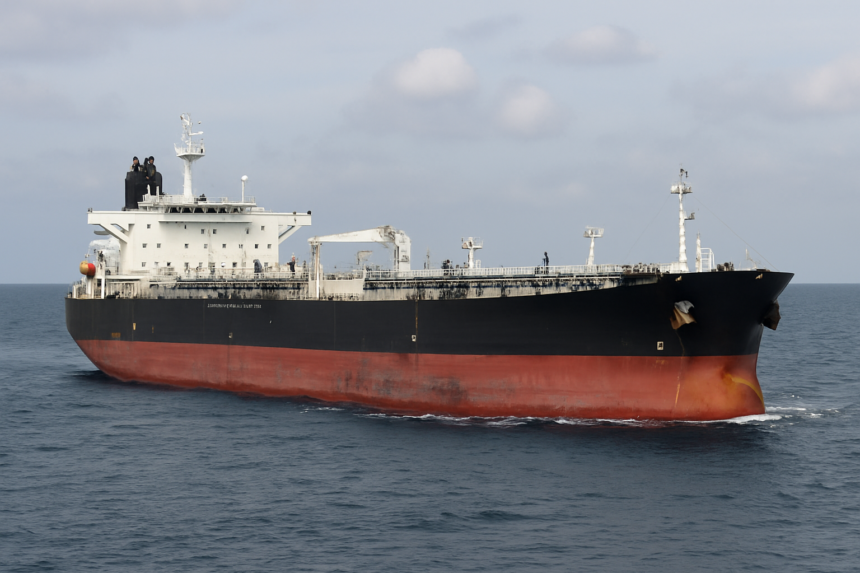
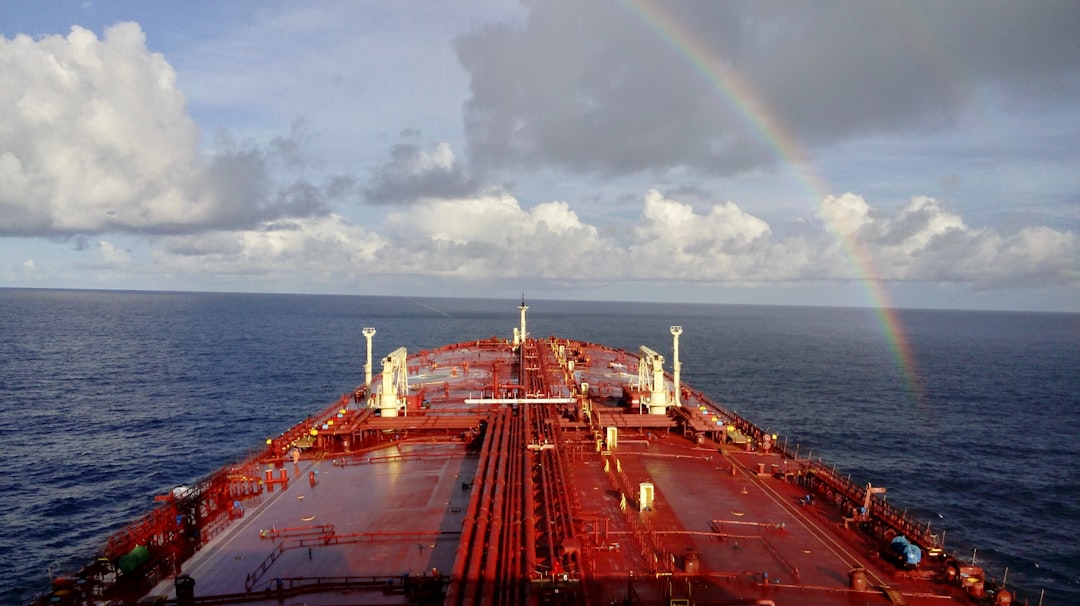
In a significant naval operation by British forces, the MV Smyrtos, a 244-meter Aframax tanker, was boarded in the English Channel early on Sunday morning. Royal Marine Commandos fast-roped from RAF Chinook helicopters onto the vessel’s deck, marking the first direct interdiction of its kind by the UK National Crime Agency. The six-hour operation was supported by fleet assets, including HMS Sutherland, HMS Ledbury, and various helicopters.
Legal Background
The interception occurred under unique legal circumstances. Authorities revealed that the MV Smyrtos was flying a Cameroonian flag, which is now recognized as invalid following a recent deregistration by Cameroon. Approximately 35 vessels were impacted by this action, attributed to mounting European pressure for stricter enforcement over its ship registry. In the context of international maritime law, a vessel without a legitimate flag is deemed stateless, granting the Royal Navy authority to intervene according to Article 110 of the United Nations Convention on the Law of the Sea (UNCLOS).
Background on the Smyrtos
Previously known as Myrtos, the vessel underwent a rebranding in early 2025, fitting a well-known pattern used by operators within Russia’s shadow fleet aimed at evading sanctions. It was placed on UK and EU sanctions lists in October 2025 for its past role in transporting Russian-origin crude oil. Registered to Hong Kong’s Zhao Yao Shipping and managed by India’s Vika Line Marine Services, this corporate structure obscures the operational realities of such vessels.

On June 4, the Smyrtos loaded approximately 101,400 tonnes of Urals crude oil at Russia’s Ust-Luga terminal before setting a course westward. Its declared destinations were ambiguous, pointing toward Port Said or Sikka, India—typical for cargo whose final buyers are often shrouded in secrecy. Notably, this marked the tanker’s first attempt to transit UK territorial waters as a stateless vessel post the UK’s March 2026 policy decision which authorized direct action against sanctioned cargoes.
Operational and Market Implications
The MV Smyrtos now sits anchored in Weymouth Bay under surveillance by Royal Navy ships, reflecting a broader trend of heightened vigilance towards maritime sanctions enforcement. The potential repercussions for the owners and operators remain ambiguous; investigators will seek clarity on whether they were aware of the vessel’s deregistration. The action illustrates the UK’s readiness to enforce an aggressive maritime strategy in the face of Russian sanctions and emphasizes the operational complexities of managing the shadow fleet, comprised of over 700 aging tankers, which now represents about 75% of Russia’s sanctioned crude oil exports.
The Operational Read
This operation underscores a significant shift in the UK’s maritime enforcement capabilities and willingness to engage directly with vessels linked to sanctions evasion. For shipping operators, particularly within the sanctions landscape, the implications are profound. The operational reality indicates tighter scrutiny and the potential for increased risk in carrying cargo associated with Russian origin. This incident may prompt ship owners to reconsider their flagging strategies and operational jurisdictions, as the UK’s enforcement mechanisms evolve. Monitoring developments in this arena will be critical for global operators adjusting to rapidly changing geopolitical maritime dynamics.