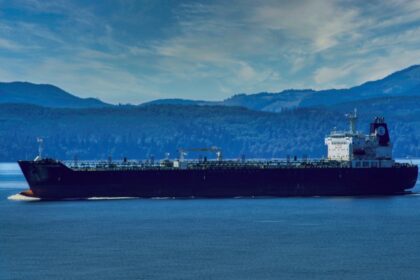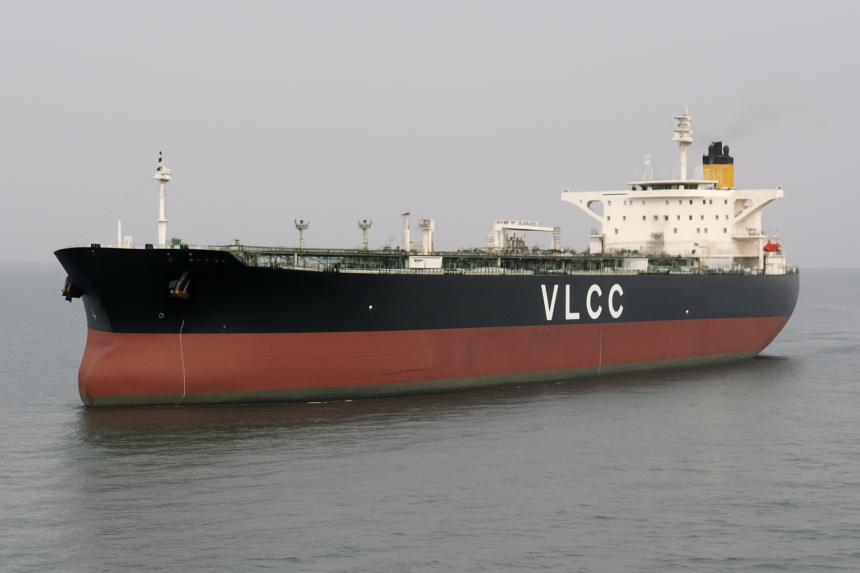
South Korean shipping company Pan Ocean has entered into a significant agreement with Hanwha Ocean to construct four very large crude carriers (VLCCs). The deal, publicly announced last Friday, is valued at approximately KRW800.1 billion, or about $524 million. This procurement underscores Pan Ocean’s proactive approach to scaling its fleet in response to the evolving dynamics of the global crude oil market.
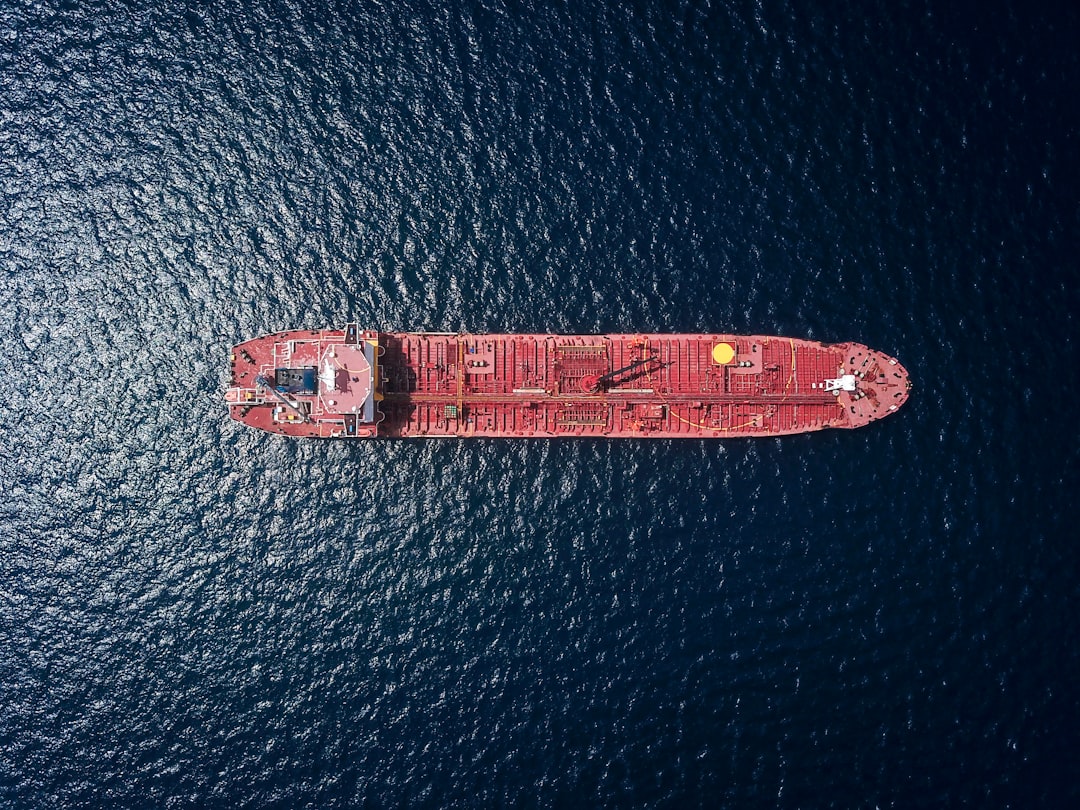
The Order Details
Hanwha Ocean, a prominent player in the shipbuilding industry, confirmed the contract secured from an unnamed Asian shipping firm, which has now been identified as Pan Ocean. This order for VLCCs not only strengthens Pan Ocean’s position in the competitive tanker market but also illustrates a confidence in the anticipated recovery and growth of crude oil demand.
Market Implications
The decision to order additional VLCCs suggests that Pan Ocean is positioning itself to enhance its operations over the medium to long term. As shipping routes and trade balances adapt to global economic shifts, the ability to transport larger volumes of crude efficiently becomes paramount. Furthermore, the recent uptick in tanker demand across the Asia-Pacific region indicates a burgeoning recovery post-pandemic, making this an opportune moment for fleet enhancements.

Industry Response
Broadly, this move by Pan Ocean aligns with a visible trend among shipping companies increasingly investing in fleet expansion amid predictions of sustained crude demand. Major shipbuilders like Hanwha are benefiting from this trend, allowing them to secure substantial contracts that bolster their order books. The implications for operational efficiencies and competitive positioning may significantly impact stakeholders across the shipping and energy sectors.
Behind the Headline
The strategic decision by Pan Ocean to order four VLCCs illustrates a calculated move in a recovering marketplace. For operators, this development emphasizes the importance of scalability and operational readiness in a fluctuating economic environment. The influx of new vessels typically leads to increased efficiency and better utilization of laytime once these ships are deployed. Moreover, as global oil consumption trends evolve, the demand for modern, more efficient tankers is likely to rise, presenting charterers and fleet operators with critical choices in fleet management.