Update 15 Jun 2026, 04:34 UTC:
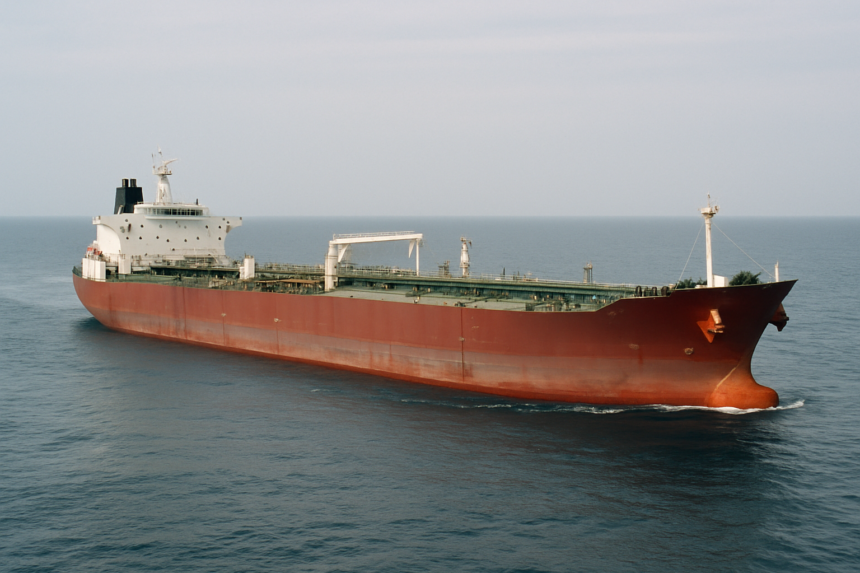
On June 15, U.S. President Donald Trump announced a significant development in U.S.-Iran relations, unveiling a framework designed to end military hostilities and facilitate the reopening of the Strait of Hormuz. This pivotal maritime corridor, essential for global oil shipments, has seen disruptions due to recent tensions, significantly affecting energy markets.
Details of the Agreement
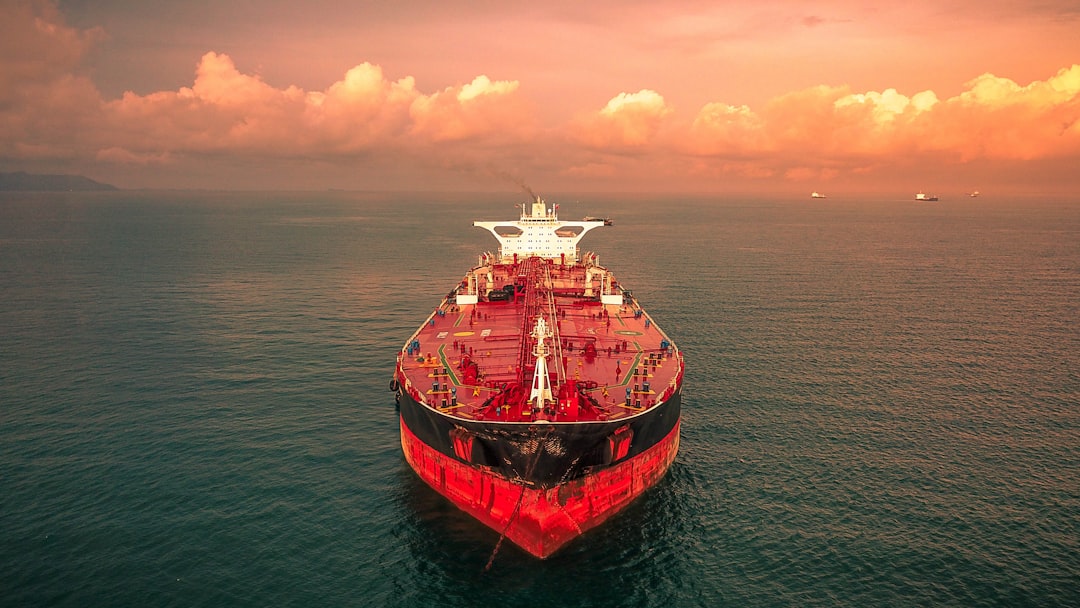
The agreement, reached with the mediation efforts of Pakistani Prime Minister Shehbaz Sharif, outlines a preliminary pact that mandates an immediate cessation of military operations across all fronts, particularly in Lebanon, marking a notable shift in the geopolitical landscape. While specifics surrounding the terms remain undisclosed, the deal aims to establish a 60-day ceasefire, during which further negotiations, including sanctions relief for Iran, will take place. Iran’s deputy foreign minister emphasized that these forthcoming discussions will also address critical issues related to the country’s nuclear program.

Impact on Global Oil Supply
The reopening of the Strait of Hormuz is especially crucial, as it serves as a vital passage for a significant portion of the world’s oil and gas supplies. Trump’s announcement prompted a swift reaction in the commodities market, leading to a decline in oil prices—Brent crude futures fell by 4% in early trading, while West Texas Intermediate saw a decrease of over 4.6%. This market shift reflects the heightened sensitivity of global oil prices to geopolitical developments, particularly in this key transit route, which Iran has effectively blockaded for months as tensions escalated.
Market Reactions and Future Prospects
Stock markets reacted positively to the news, as traders interpreted the potential for renewed stability in oil supply chains. However, the announcement also drew mixed reactions from political analysts, who suggested that while the framework signals a return to pre-conflict conditions, it raises concerns regarding Iran’s nuclear ambitions and broader regional security. Former Biden administration officials noted that concessions made by Trump could stabilize the current situation but lack assurances for nuclear negotiations.
The Operational Read
The recent framework between the U.S. and Iran underscores the operational complexities inherent in the Strait of Hormuz, a chokepoint that accounts for a substantial share of global oil transportation. For shipping operators, the immediate reopening could relieve pressures associated with re-routing vessels and increased insurance premiums brought on by the conflict. However, the success of this agreement hinges on the durability of the ceasefire and subsequent negotiations concerning Iran’s nuclear capabilities. Stakeholders in the maritime sector should monitor developments closely, as potential shifts in policy could influence shipping patterns, operational costs, and overall market stability in the region.