Recent statements from President Donald Trump about a covert U.S. military operation in the Strait of Hormuz have been substantiated by an advisory from INTERTANKO, the world’s leading tanker trade association. The advisory outlines a controlled nighttime passage protocol operating along the Omani coast, coordinated closely with the U.S. Navy, enabling safe transit for a significant number of commercial vessels.
The Operation
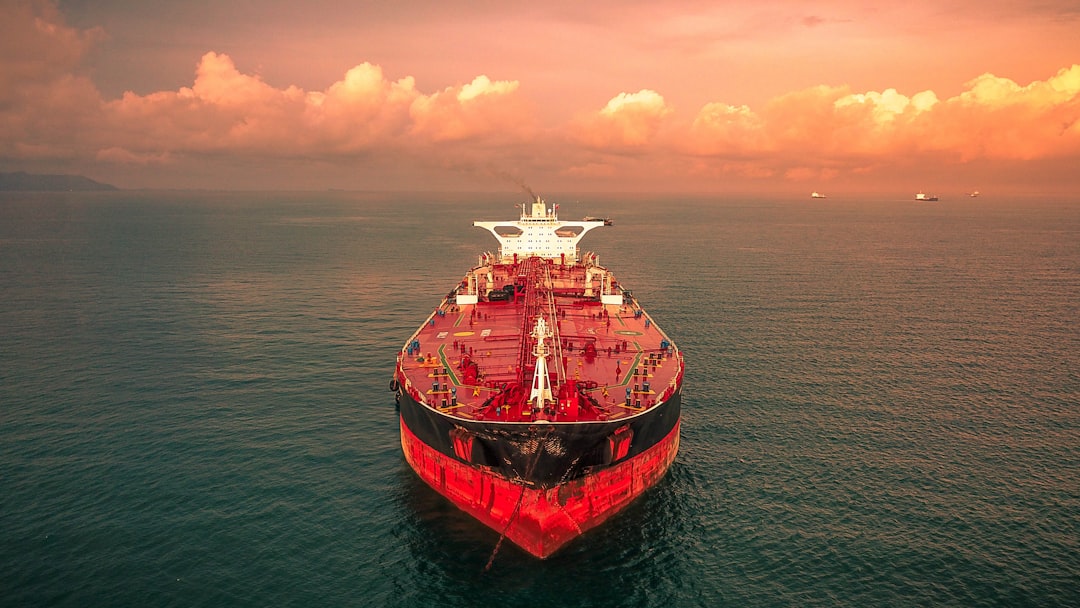
According to Trump’s assertions, this military initiative has allowed more than 200 commercial ships, carrying over 100 million barrels of oil, to traverse the Strait of Hormuz without incident. Trump’s statements indicate that these operations have been ongoing for several months, with U.S. forces conducting operations to degrade Iranian surveillance capabilities at night. While details from the White House remain limited, the INTERTANKO advisory, dated June 5, offers important insights into this operation.
INTERTANKO Advisory Details
The INTERTANKO advisory describes the “Omani route” as a carefully managed transit procedure where participating vessels provide transit timings and waypoints to the U.S. military prior to entering the route. It was noted that the U.S. has conducted strikes against Iranian targets around the Strait, which have been aimed at mitigating threats to commercial shipping. This strategic coordination is designed to ensure the safe passage of vessels while limiting Iranian visibility and tracking capabilities.

Unique operational guidelines are in place for vessels using this route. Ships are instructed to navigate without lights, minimize radar usage, and deactivate Automated Identification Systems (AIS). This approach aims to reduce the likelihood of detection by adversarial forces while enabling efficient transit through designated areas.
Path Forward for Operators
The advisory also highlights that approximately 15 vessels utilize this ‘Omani route’ daily, with movements arranged to accommodate both inbound and outbound traffic. Although these transit groups are not classified as formal convoys, they operate within designated timing windows to ensure safe passage for all vessels involved.
This unprecedented transparency from INTERTANKO underscores how commercial shipping operations have persisted through Hormuz amid escalating tensions between the U.S. and Iran. It also challenges earlier claims from U.S. officials who previously denied the resumption of formal escort operations in the area.
The Operational Read
The establishment of the Omani route illustrates a significant operational strategy to safeguard maritime shipping through one of the world’s most critical chokepoints. For shipping companies, these developments necessitate reevaluation of risk management strategies concerning routes through highly contested waters. The requirement for ships to blackout operational systems is indicative of the heightened risks from regional threats. Looking forward, operators should monitor the evolving dynamics and assess their readiness to adapt to potential shifts in military operations, which could impact transit safety and overall shipping costs in the region.