On June 11, workers at Port Hedland, a key hub for iron ore exports in Western Australia, voted overwhelmingly to undertake strike action, raising the possibility of significant disruptions to global iron ore supply chains. The Electrical Trades Union (ETU) confirmed that all participating members approved work stoppages, which could last from half an hour to 24 hours, potentially beginning in the coming days. Simultaneously, the Australian Manufacturing Workers Union (AMWU) reported that approximately 100 of its members similarly voted, with nearly 90% in favor of striking.
Background on the Dispute
The unrest stems from protracted negotiations between BHP, the world’s largest listed miner, and its workforce over labor agreements. Union representatives disclosed that the workers seek crucial improvements in pay and working conditions following six months of unsuccessful discussions. Adam Woodage, the ETU’s state secretary, criticized BHP’s negotiation strategy, alleging the company’s conduct has impeded progress toward a fair agreement. Workers are particularly concerned about inconsistencies in pay among those with similar skills, citing “wildly disparate” individual contracts as a primary point of contention.
Potential Market Impact
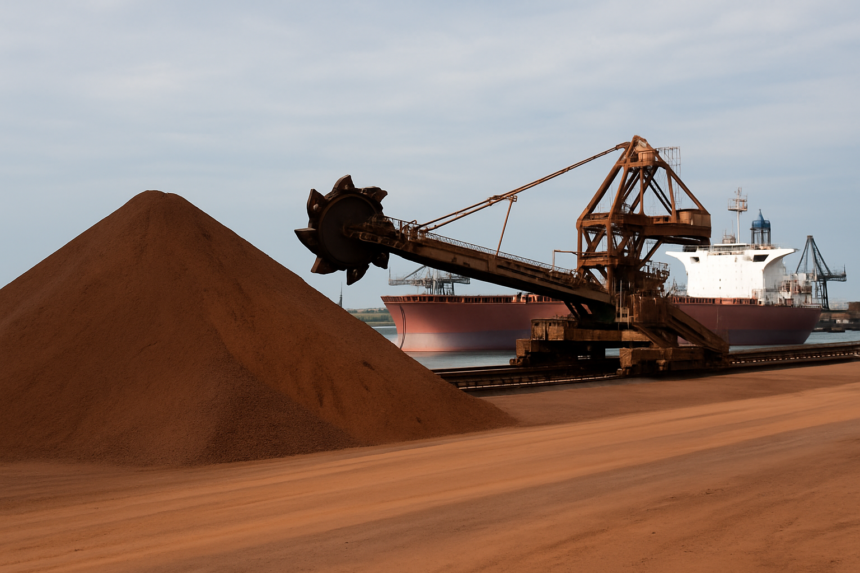
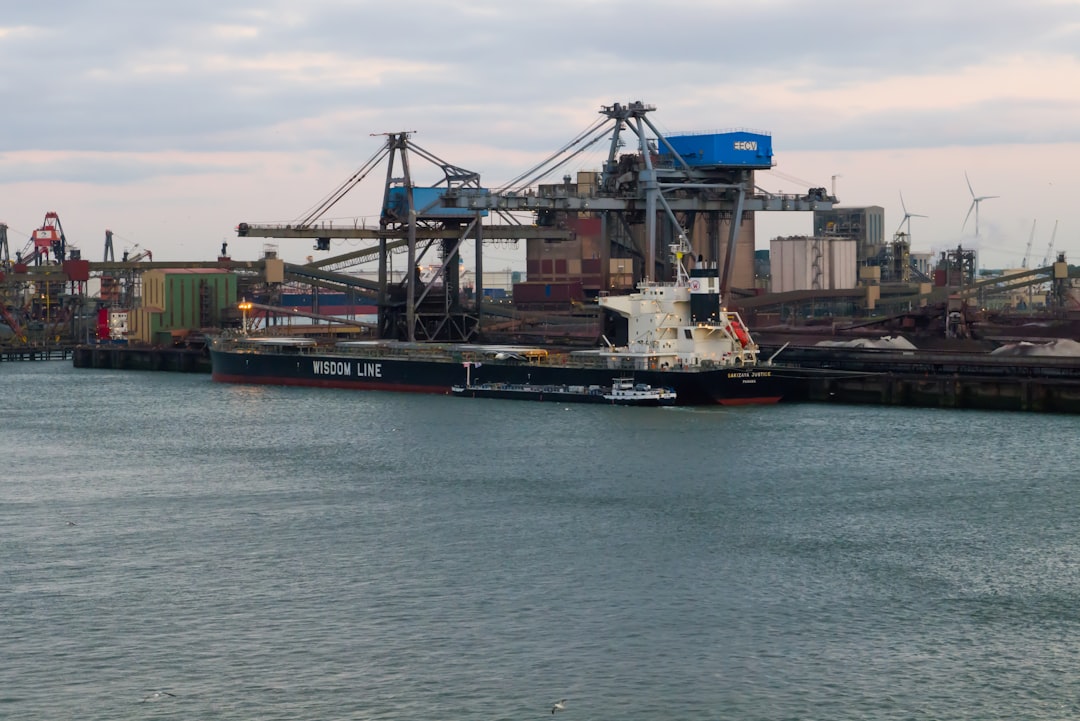
Port Hedland is critically linked to BHP’s operational network, handling all iron ore exports from the region. It is recognized not only as the largest iron ore loading port in Australia but also among the largest globally. Any disruptions could ripple through supply chains, affecting iron ore prices and availability in international markets. As unions prepare to notice management of their intentions, the timing coincides with rising global demand for iron ore, further intensifying the stakes for stakeholders.


Operator Response
BHP has yet to comment publicly on the strike vote, and the situation remains fluid. The unions have indicated that the workers may initiate industrial action after providing five days’ notice to BHP. ”Members have had enough,” said AMWU state secretary Steve McCartney, emphasizing the urgent need for improved agreements during a period of high cost-of-living pressures. It remains to be seen how BHP will respond to avert potential disruptions at such a critical juncture.
Behind the Headline
The labor unrest at Port Hedland reflects broader challenges facing the mining industry, particularly in the context of rising living costs and heightened demands for fair labor practices. For operators and charterers, the impending strike action poses risks of demurrage and increased costs due to potential operational disruptions. This situation necessitates close monitoring as it evolves, with implications reaching beyond local labor relations to impact iron ore prices and supply stability in global markets.