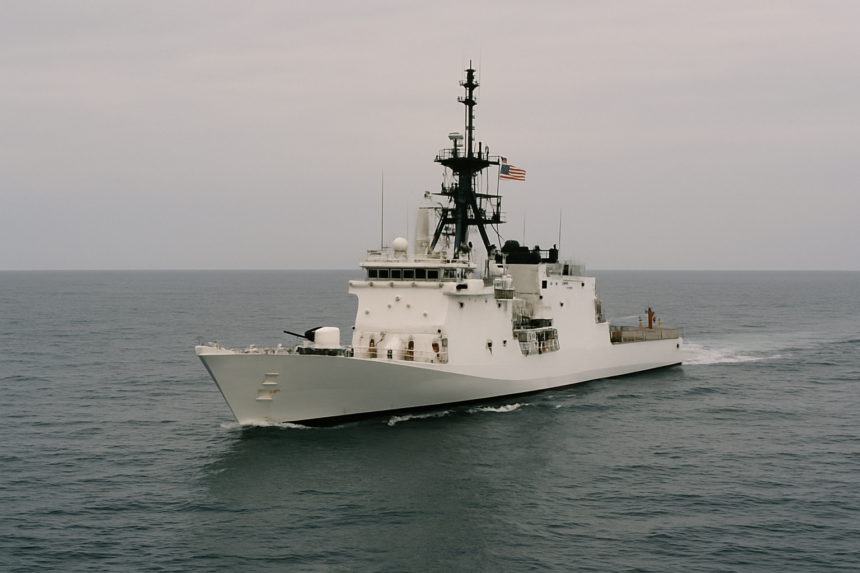
On June 6, Taiwan’s coast guard reported a coordinated operation by Chinese maritime forces near the Pratas Islands, escalating tensions in the South China Sea. This unprecedented event involved a Chinese coast guard ship and an oceanographic survey vessel operating together in waters contested by both Taipei and Beijing.
The Incident
According to Taiwan’s coast guard, the Chinese vessels approached the Pratas Islands, which are situated approximately 400 kilometers from the main island of Taiwan, on Friday and Saturday. This marked the first documented instance of a coordinated provocation by Chinese forces in this strategically important area. The Pratas Islands, recognized as a national park and lightly defended, have recently emerged as a focal point in the ongoing military pressures exerted by China against Taiwan. Taiwan’s National Security Council Secretary-General Joseph Wu condemned the actions, labeling them as ‘highly provocative’ and described China as a ‘sick bully’ in his social media statements.
Strategic Context
The Pratas Islands’ positioning between southern Taiwan and Hong Kong makes them considerably susceptible to potential military operations from the Chinese military, which continues to assert sovereignty over Taiwan and its surrounding territories. The Chinese coast guard vessel claimed it was enforcing maritime laws, while Taiwan responded with its own messaging aimed at reinforcing its stance on sovereignty and democracy.

In the wake of these developments, Taiwan promptly deployed its coast guard vessels in an effort to secure its territorial waters and assert its claim to the Pratas Islands. The ongoing discord has raised concern among security experts about the potential for escalated military confrontations in the region, further complicating the already intricate geopolitical landscape.
The Operational Read
This coordinated operation by Chinese vessels underscores a significant shift in maritime tactics to challenge Taiwan’s jurisdiction over the Pratas Islands, a region critical for both maritime navigation and strategic deterrence. The operational reality necessitates heightened vigilance among Taiwanese maritime forces, especially given the islands’ significant distance from Taiwan’s main land, which complicates defense logistics. Operators and naval strategists should closely monitor the evolving dynamics and consider potential implications for shipping routes and regional security agreements. The international community may also watch for any shifts in trade patterns or cooperative security initiatives among regional allies in response to these provocations.