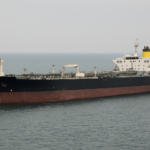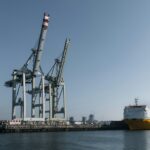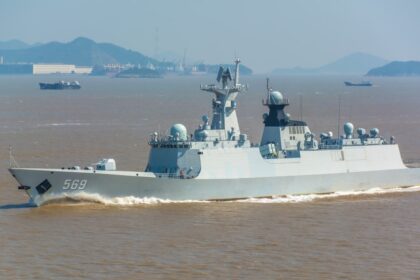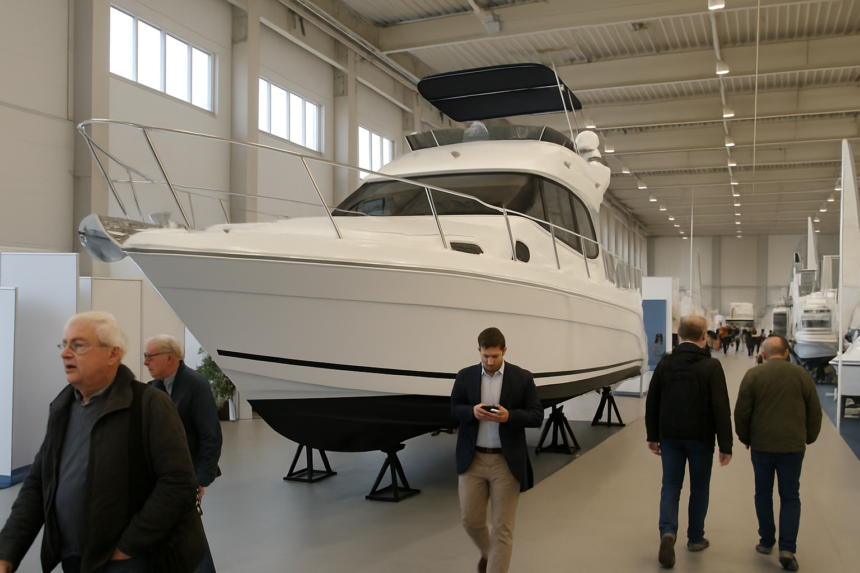
Posidonia 2026 has opened in Athens, set against the backdrop of the ongoing closure of the Strait of Hormuz to commercial traffic, a situation that is exerting significant pressure on global energy supply chains. This year’s exhibition is regarded as the most significant in its nearly 60-year history, reflecting the industry’s vital role in maintaining global commerce.
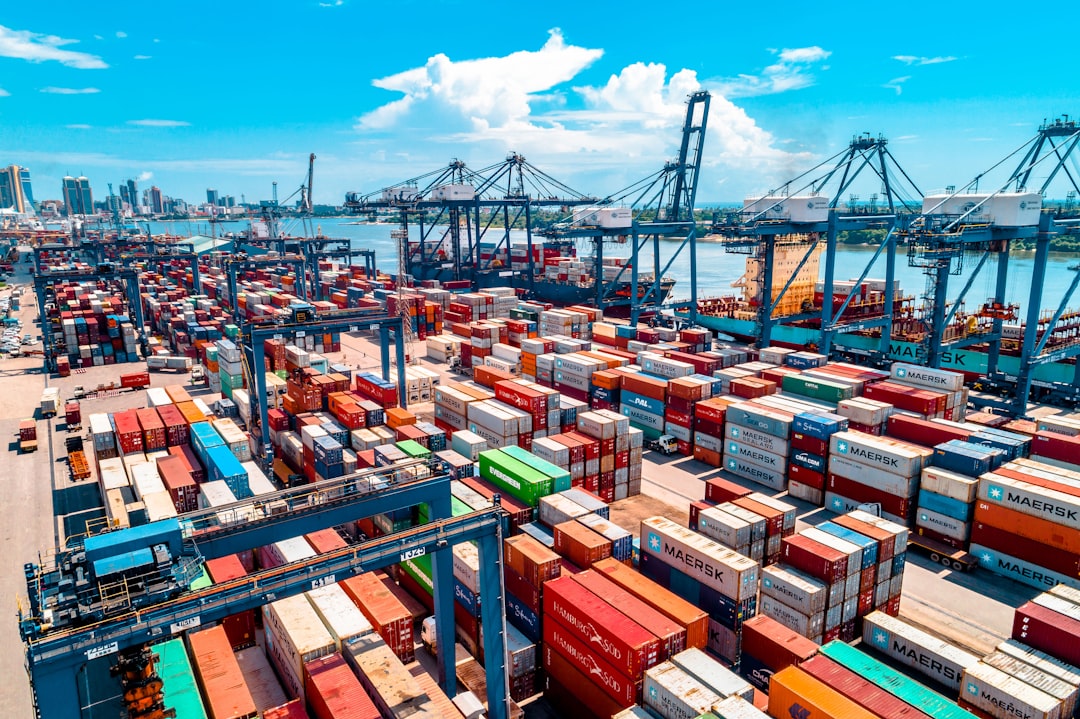
Exhibition Highlights
The event showcases 2,227 exhibitors from 83 countries, alongside 24 national pavilions—marking the return of Germany and Italy after a prolonged absence. Covering an area of 45,000 square meters at the Athens Metropolitan Expo, the exhibition anticipates attracting more than 40,000 participants by its conclusion on June 5, 2026.
Economic Impact and Strategic Importance
Prime Minister of Greece, Kyriakos Mitsotakis, emphasized in his opening remarks the crucial role Greek shipping plays in both national and European contexts, asserting that it is a vital asset for resilience and strategic autonomy. The economic impact from Posidonia 2026 is projected to exceed €100 million, positively affecting the hospitality, transport, and catering sectors in Greece.

European Commissioner for Sustainable Transport and Tourism, Apostolos Tzitzikostas, highlighted the importance of freedom of navigation, noting that shipping accounts for 76% of the EU’s imports and 73% of its exports. This underscores the significant dependency of European economies on maritime traffic.
Key Discussions to Watch
Anticipated discussions during the event include evolving environmental compliance regulations and strategies to enhance supply chain resilience amidst geopolitical tensions. The more than 70 conferences and forums scheduled reflect the urgent industry discussions on maintaining operational readiness in challenging circumstances.
Why It Matters
The ongoing closure of the Strait of Hormuz presents significant challenges for shipping operators, as it serves as a critical chokepoint for energy supplies. This situation not only complicates logistics but also drives up operational costs, particularly for bunkering and repositioning vessels. As industry stakeholders gather at Posidonia 2026, the emphasis on sustainable practices and regulatory compliance will shape future operational strategies. Shipping firms will need to consider the implications of such regulatory measures while also navigating the delicate balance of geopolitics in the maritime domain. The discussions held at this event will be pivotal in determining the future trajectory of the sector, particularly as it relates to maintaining trade fluidity amid unstable conditions.