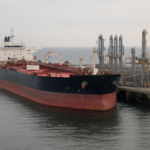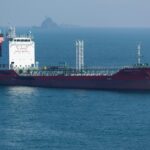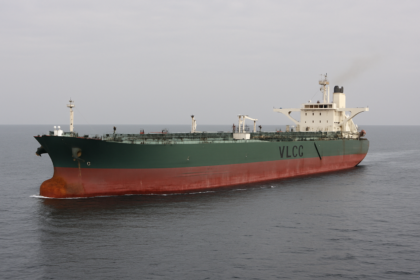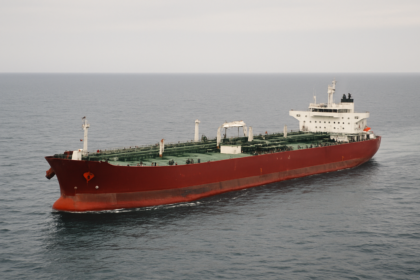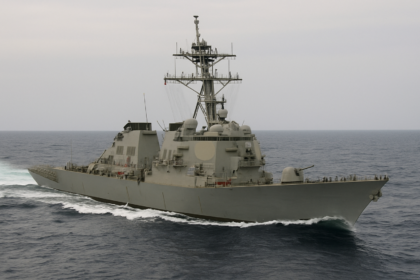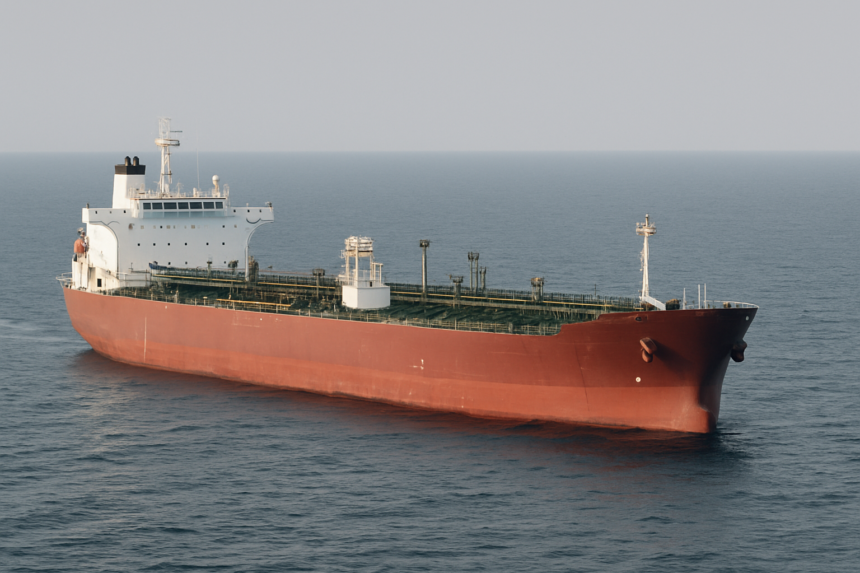
Transits through the Strait of Hormuz remain constrained even as the United States and Iran have reached an agreement to extend the current ceasefire for an additional 60 days. According to Reuters, the truce is intended to allow for the resumption of maritime traffic through this strategic chokepoint, which sees approximately one-third of global seaborne crude flows.

Ceasefire Agreement Overview
Pending US President Donald Trump’s approval, the ceasefire aims to facilitate the clearance of naval mines and promote safe transit for cargo vessels. Lars Jensen, president of the consultancy firm Vespucci Maritime, provided insights into the complexities surrounding the ceasefire, emphasizing that while an agreement seems positive, its effectiveness remains unproven until tangible results are observed. Jensen noted that the current negotiations may serve more as a framework for future discussions rather than a definitive deal.
Current Transit Conditions
Despite claims that the Strait remains open, operators must coordinate movements with the Persian Gulf Strait Authority (PGSA), an entity that has been placed on the OFAC sanctions list by the US. This additional layer of coordination adds operational complications for vessels attempting to transit the Strait. The Strait of Hormuz tracker, a real-time monitoring tool, reported that only four vessels have transited through the Strait in the last 24 hours, indicating a high level of operational caution among maritime stakeholders.

Market Impact
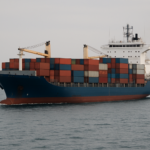
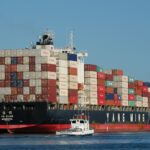
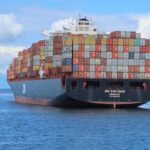
The prolonged closure of the Strait of Hormuz, which began in late February following tensions from US and Israeli military actions against Iran, has significantly affected the crude oil market. As a vital route for around one-third of the planet’s crude oil, the ongoing disruptions have led to fluctuations in crude oil prices, with a recent 1% dip reflecting some optimism over the ceasefire announcement. Conversely, the impact on container shipping has been less pronounced, as less than 2% of global container capacity traverses the Strait each year; however, the surge in bunker fuel prices has invariably raised shipping rates across the board.
The Operational Read
This phase in the Strait of Hormuz highlights the fragile nature of oil logistics in the face of geopolitical instability. For operators, the requirement for coordination with the PGSA complicates planning and increases the potential for delays. With the possibility of enhanced transit facilitated by the ceasefire, shippers must remain vigilant about evolving conditions. The next several weeks will be critical in determining the efficacy of this ceasefire and its impact on shipping routes through the Strait. Additionally, operators should prepare for continued volatility in bunker fuel prices, which directly influences shipping costs and overall market stability.