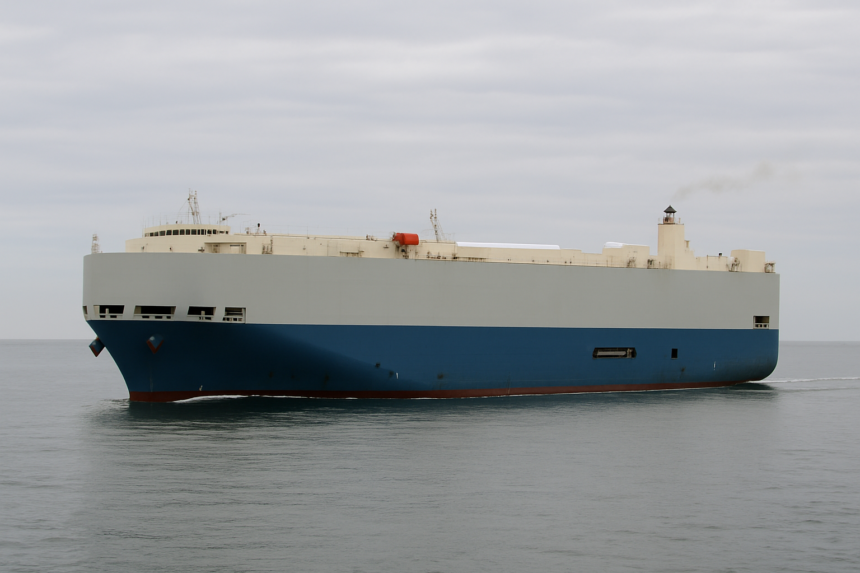
Porsche has secured a significant legal victory regarding the fire incident of the car carrier Felicity Ace, which occurred in February 2022. The Regional Court of Stuttgart dismissed allegations that a lithium-ion battery from a Porsche Taycan was responsible for the fire, which ultimately destroyed the vessel and nearly 4,000 vehicles on board. According to German legal news outlet LTO, the court’s ruling found that the plaintiffs, including the ship’s Japanese owner and several marine hull insurers, did not meet the burden of proof required to establish that a Taycan battery ignited the blaze.
The Incident
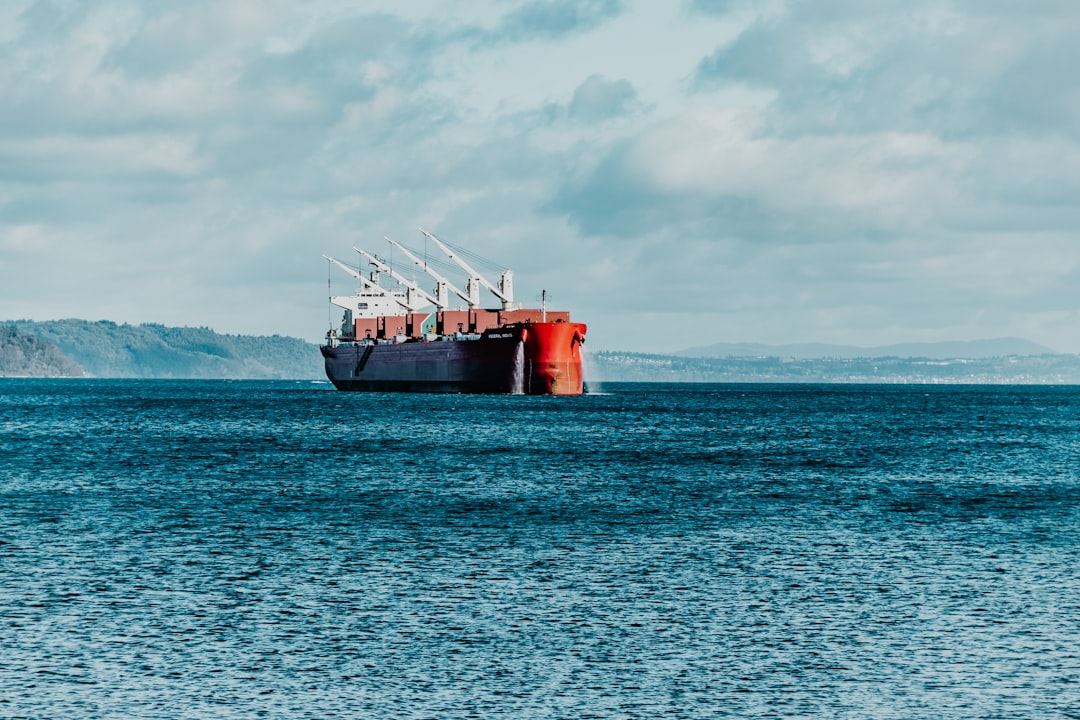
The Felicity Ace, registered under the Panama flag and operated by Mitsui O.S.K. Lines (MOL), caught fire on February 16, 2022, while navigating approximately 90 nautical miles southwest of the Azores. At that time, the vessel was en route from Emden, Germany, to the United States, carrying a diverse cargo of around 4,000 vehicles from brands such as Porsche, Audi, Bentley, Lamborghini, and Volkswagen. Fortunately, all 22 crew members were evacuated safely, yet the fire persisted for nearly two weeks before the ship sank on March 1, 2022.
This incident has raised broader concerns regarding the shipping of lithium-ion battery-powered vehicles, which have been under scrutiny due to their potential fire risks. Despite various investigations, the true cause of the fire has yet to be conclusively determined. The Panama Maritime Authority submitted its findings to the International Maritime Organization in 2022, but the report has not been publicly released.


Ongoing Legal Challenges
The Stuttgart ruling is not final; there is potential for an appeal as the legal challenges surrounding this case are far from over. According to reports, another lawsuit is ongoing before the Regional Court of Braunschweig, where plaintiffs are pursuing damages estimated in the hundreds of millions of euros against Porsche and associated Volkswagen Group logistics entities. These lawsuits illustrate the complexities and potential liabilities involved in the maritime transport of electric vehicles, particularly those equipped with high-capacity batteries.
The Operational Read
This legal decision underscores the complexities associated with liability in maritime shipping, particularly when it involves high-value cargo such as electric vehicles. Operators and insurers in the maritime sector may need to reassess their risk exposure regarding the transport of vehicles with lithium-ion batteries. As discussions around safety regulations and risk assessments intensify, the ongoing litigation could prompt changes in operational protocols for shipping electric vehicles, further impacting shipping logistics and insurance frameworks. Stakeholders should observe developments in this case closely as it may set important precedents affecting shipping practices and regulations in the future.